Best Korean Restaurants Near Gyeongbokgung Palace: 8 Places for First-Time Visitors
Gyeongbokgung Palace is one of the best places in Seoul to combine Korean history, traditional architecture, and food in a single day.
Built in 1395, Gyeongbokgung was the primary royal palace of the Joseon Dynasty and stood at the center of Hanyang, the city that later became modern Seoul. The palace was heavily damaged during the Japanese invasions of the late 16th century, rebuilt in the 19th century, and has undergone extensive restoration in modern Korea.
Today, landmarks such as Gwanghwamun Gate, Geunjeongjeon Hall, and Gyeonghoeru Pavilion make it one of Seoul’s most important historical attractions.
The neighborhoods surrounding the palace are also excellent places to explore Korean food.
Walk west into Seochon and you will find samgyetang, Korean barbecue, traditional soup restaurants, seafood, and popular drinking spots. Head north toward Cheongun-dong for royal court cuisine, or continue east toward Anguk and Bukchon for more contemporary Korean dining.
If you are looking for the best Korean restaurants near Gyeongbokgung Palace, these eight places offer genuinely different experiences, from an easy first bowl of samgyetang to royal court cuisine, modern Korean dining, premium beef, pork barbecue, seasonal seafood, and one of Seoul’s longest-running loach-soup restaurants.
Some work well for a spontaneous meal. Others require advance reservations, while several popular casual restaurants may involve significant waiting even when reservations are not required.
If you want coffee or dessert before or after your meal, see our guide to the best cafés near Gyeongbokgung Palace.
The restaurants below are not ranked strictly from best to worst. The best choice depends on what you want to eat, your budget, how much advance planning you want to do, and where you plan to go after visiting the palace.
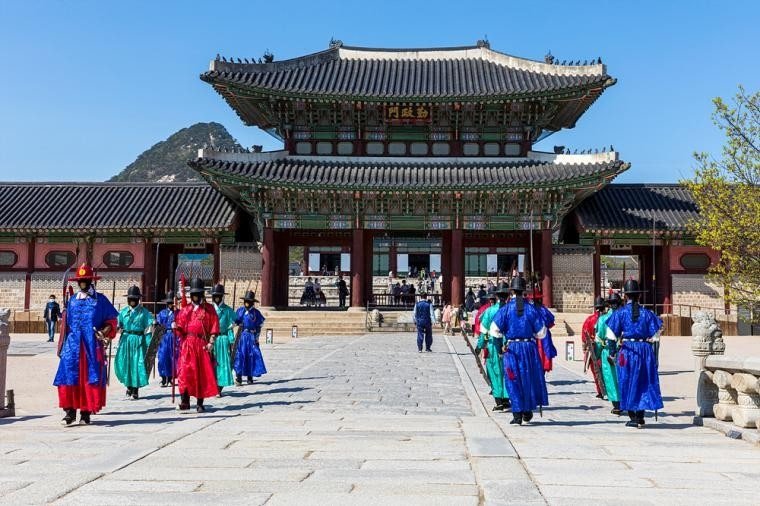
Table of Contents
Quick Comparison: Korean Restaurants Near Gyeongbokgung Palace
| Restaurant | Best for | What to Order | Area | Reservation / Waiting |
|---|---|---|---|---|
| Tosokchon Samgyetang | Easy first Korean meal | Samgyetang | Seochon | Walk-ins common; queues possible |
| Onjium | Special Korean fine dining | Seasonal tasting course | West palace wall | Advance reservation essential |
| Jihwaja | Royal court cuisine | Royal Banquet course | Cheongun-dong | Advance reservation strongly recommended |
| Tonguidong Gukbingwan | Premium Korean beef | Hanwoo or marinated galbi | Seochon | Reservation recommended |
| On 6.5 | Contemporary Korean dining | Kimchi-based seasonal dishes | Anguk | Reservation recommended |
| Kim Jin Mok Sam | Pork Korean BBQ | Moksal and samgyeopsal | Seochon | Reservations available; waits possible |
| Anju Maeul | Seafood and Korean drinking culture | Seasonal seafood and anju | Seochon | Same-day waiting is common |
| Yonggeumok | Historic Korean soup | Namdo-style chueotang | Seochon | Walk-ins usually possible; waits may occur |
A Note About Reservations and Waiting
Restaurant reservation systems in Seoul can change quickly.
A restaurant that currently releases tables through CATCHTABLE may later change its booking window, release time, deposit, party-size rules, or reservation platform. The same applies to restaurants that use remote or on-site waitlists.
Even restaurants that normally accept walk-ins can develop long queues on weekends, holidays, or during peak lunch and dinner hours.
The information in this guide was checked in August 2026, but treat it as a planning guide rather than a permanent rule.
If one restaurant is especially important to your itinerary, check its current booking or waiting system again shortly before your visit.
If Korean restaurant reservations are new to you, our guide to booking restaurants in Korea as a foreigner explains CATCHTABLE, NAVER Booking, remote waitlists, on-site waiting, deposits, and walk-ins.
Which Side of Gyeongbokgung Should You Eat On?
Most of the restaurants in this guide are west of Gyeongbokgung in Seochon.
This is the easiest direction if you want to finish your palace visit and go directly to lunch or dinner without taking another subway ride.
Tosokchon Samgyetang, Tonguidong Gukbingwan, Kim Jin Mok Sam, Anju Maeul, and Yonggeumok are all on this side.
Onjium sits directly across from the western palace wall, giving it perhaps the strongest physical connection to Gyeongbokgung itself.
Jihwaja is farther north in Cheongun-dong. It is still convenient to combine with a Gyeongbokgung day, but it is better treated as a planned destination than somewhere you simply walk into after leaving the palace. A short bus or taxi ride may be more convenient than walking all the way from Gyeongbokgung Station.
On the eastern side, On 6.5 works particularly well if your next destination is Anguk, Bukchon Hanok Village, or Samcheong-dong.
For restaurants in Seoul, searching the Korean name is often more reliable than relying only on an English spelling. Our beginner’s guide to using NAVER Map in Korea explains how to check the exact branch, walking route, current hours, subway exits, and recent restaurant information.
8 Best Korean Restaurants Near Gyeongbokgung Palace
1. Tosokchon Samgyetang
Best for: A classic Korean meal for first-time visitors
Area: Seochon, near Gyeongbokgung Station
Hours: Daily 10:00–22:00; current last order 21:00
Reservation / waiting: Walk-ins are normal, but queues are common during busy periods
Search on NAVER Map: 토속촌삼계탕
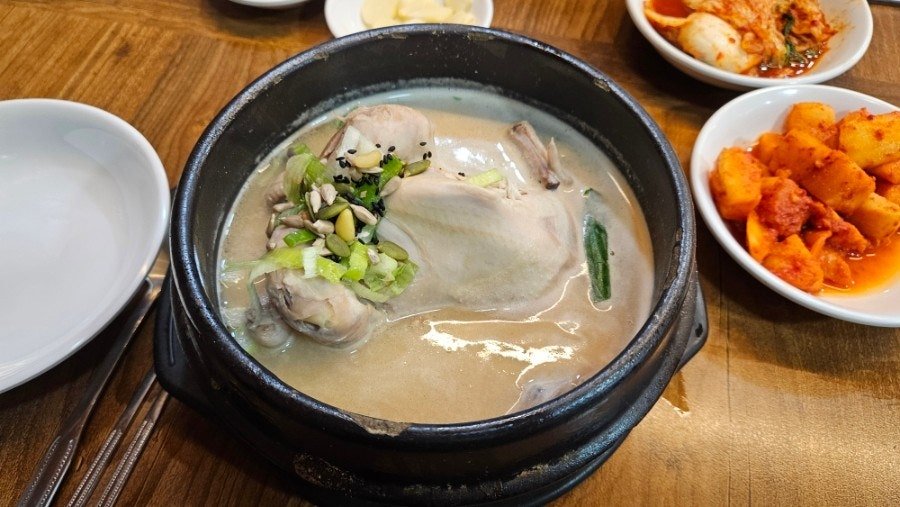
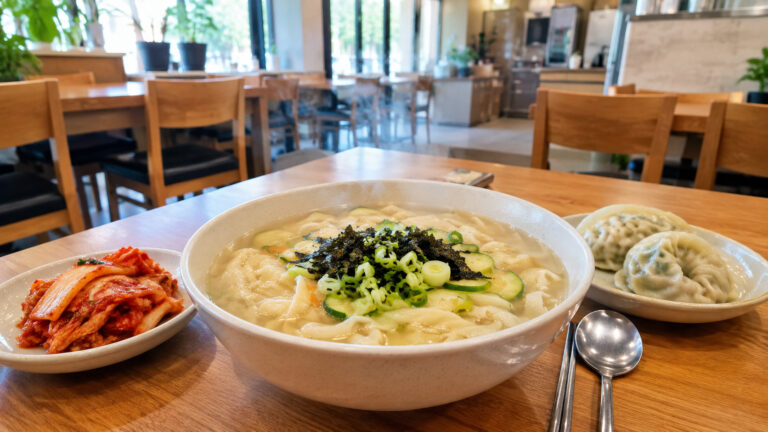
Tosokchon is probably the easiest restaurant on this list to recommend to someone visiting Korea for the first time.
The restaurant occupies several renovated hanok buildings, so the atmosphere fits naturally with a day around Gyeongbokgung and Seochon.
It is also one of the best-known restaurants in the neighborhood among both Korean and international visitors, which means popularity is its main practical downside. Lines can form around lunch and dinner, particularly on weekends and during the summer samgyetang season.
The dining space is relatively large, so a visible queue does not always mean an extremely long wait. Travelers with a tight schedule should still allow extra time.
What to Order
Start with the regular samgyetang.
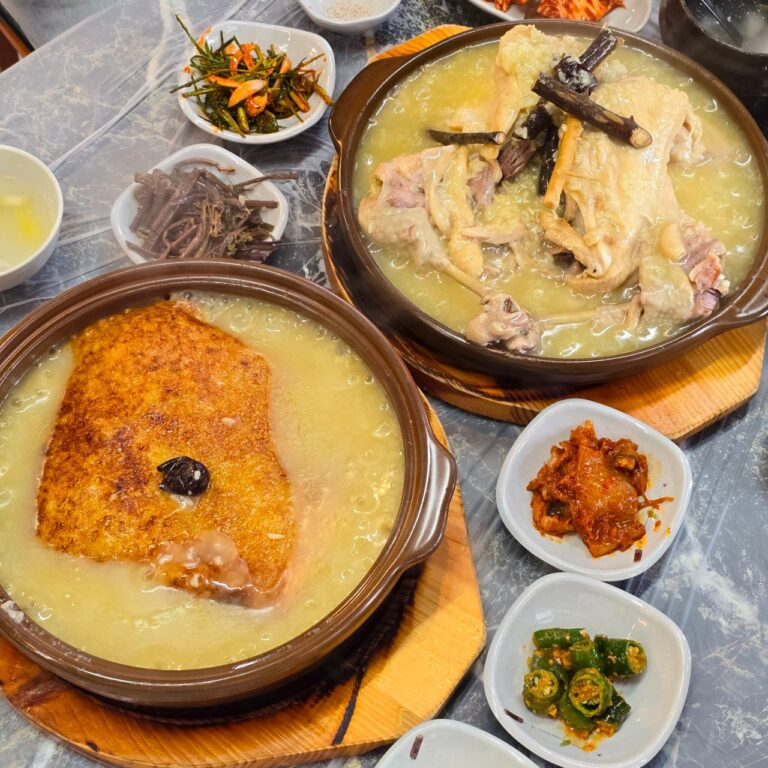
Samgyetang is a whole young chicken simmered with glutinous rice, ginseng, jujube, garlic, and other ingredients.
Despite the medicinal-sounding ingredients, the soup itself is generally mild rather than spicy. The chicken becomes tender enough to pull apart easily, while the rice inside absorbs the broth.
It is filling enough to work as an individual meal and requires very little knowledge of Korean dining customs.
If you enjoy the dish and want to compare other versions around the city, see our guide to the best samgyetang restaurants in Seoul.
Why It Works for First-Time Visitors
Tosokchon combines three things particularly well:
A recognizable Korean dish, a traditional hanok setting, and an extremely convenient location after Gyeongbokgung.
There are more adventurous restaurants in this guide, but few are easier to recommend when you want one traditional Korean meal without complicated ordering or advance reservations.
First-Timer Tip
Do not assume that a long-looking line means you should immediately give up.
Because Tosokchon has a large dining space, the queue can move faster than it first appears.
However, if you have a timed palace tour, performance, or another reservation immediately afterward, visiting outside the main lunch and dinner rush is safer.
2. Onjium
Best for: A special meal connecting Korean culinary tradition with modern fine dining
Area: Directly across from the western wall of Gyeongbokgung
Hours: Tue–Fri 12:00–15:00 and 18:00–22:00; closed Sat–Mon
Reservation / waiting: Advance reservation is essential
Search on NAVER Map: 온지음
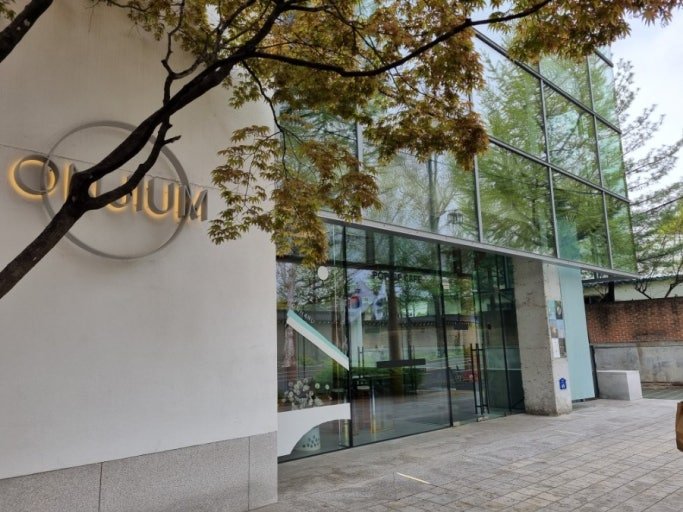
Few restaurants fit the theme of a Gyeongbokgung food guide as naturally as Onjium.
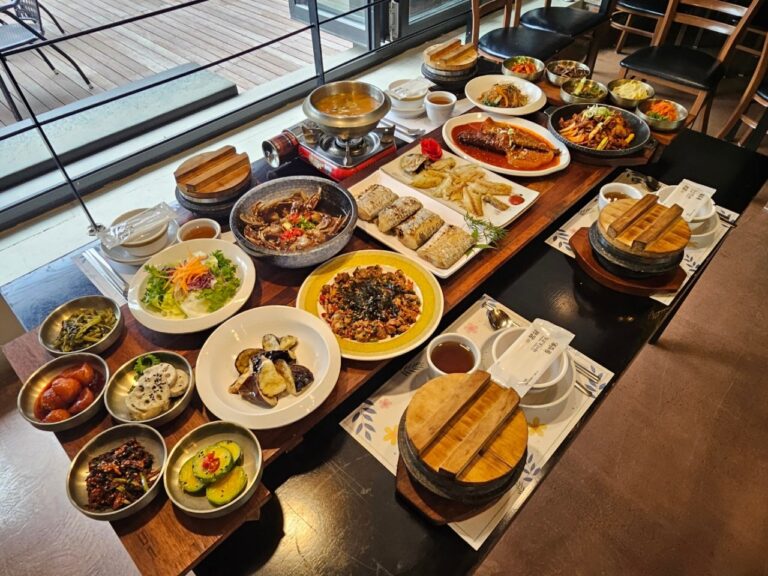
Located directly across from the palace’s stone wall, Onjium researches Korean culinary traditions and reinterprets them through seasonal ingredients, traditional techniques, Korean sauces, carefully selected tableware, and contemporary presentation.
Onjium currently holds one Michelin star.
This is not a restaurant to treat as a spontaneous meal after sightseeing. Seats are limited, demand is high, and planning ahead is part of the experience.
What to Expect from the Menu
Onjium is a tasting-menu restaurant, so the experience is very different from choosing one main dish such as samgyetang or Korean barbecue.
The composition changes with the season.
Rather than visiting for one famous plate, the point is to experience a sequence of dishes that explores Korean ingredients, techniques, and culinary traditions.
For first-time visitors, it is better to arrive with an open mind rather than choosing the restaurant because of one dish you saw in an old photo or review.
Why Onjium Fits Gyeongbokgung So Well
Onjium’s location is more than a convenience.
The restaurant sits directly opposite the palace wall, creating a natural connection between the historic environment you have just explored and the Korean culinary traditions being interpreted inside.
If you plan to include one high-end Korean meal during your Seoul trip, this is one of the places where the location itself adds meaning to the experience.
Reservation Tip
As checked in August 2026, current CATCHTABLE guidance indicates that Onjium reservations open approximately five weeks in advance, with new availability released on Monday at 11:00 KST.
However, this is the restaurant’s current booking policy, not a permanent rule.
Reservation-release dates, times, deposits, cancellation conditions, party-size restrictions, and even the booking platform can change.
Once your Seoul travel dates are confirmed, check Onjium’s current booking page rather than relying on an older blog post or screenshot.
Popular dates can fill quickly after reservations open.
3. Jihwaja
Best for: Experiencing Korean royal court cuisine
Area: Cheongun-dong, north of Gyeongbokgung
Hours: 12:00–15:00 and 17:30–21:30; current last orders 13:00 and 19:30; closed Monday and Tuesday
Reservation / waiting: Advance reservation strongly recommended
Search on NAVER Map: 지화자
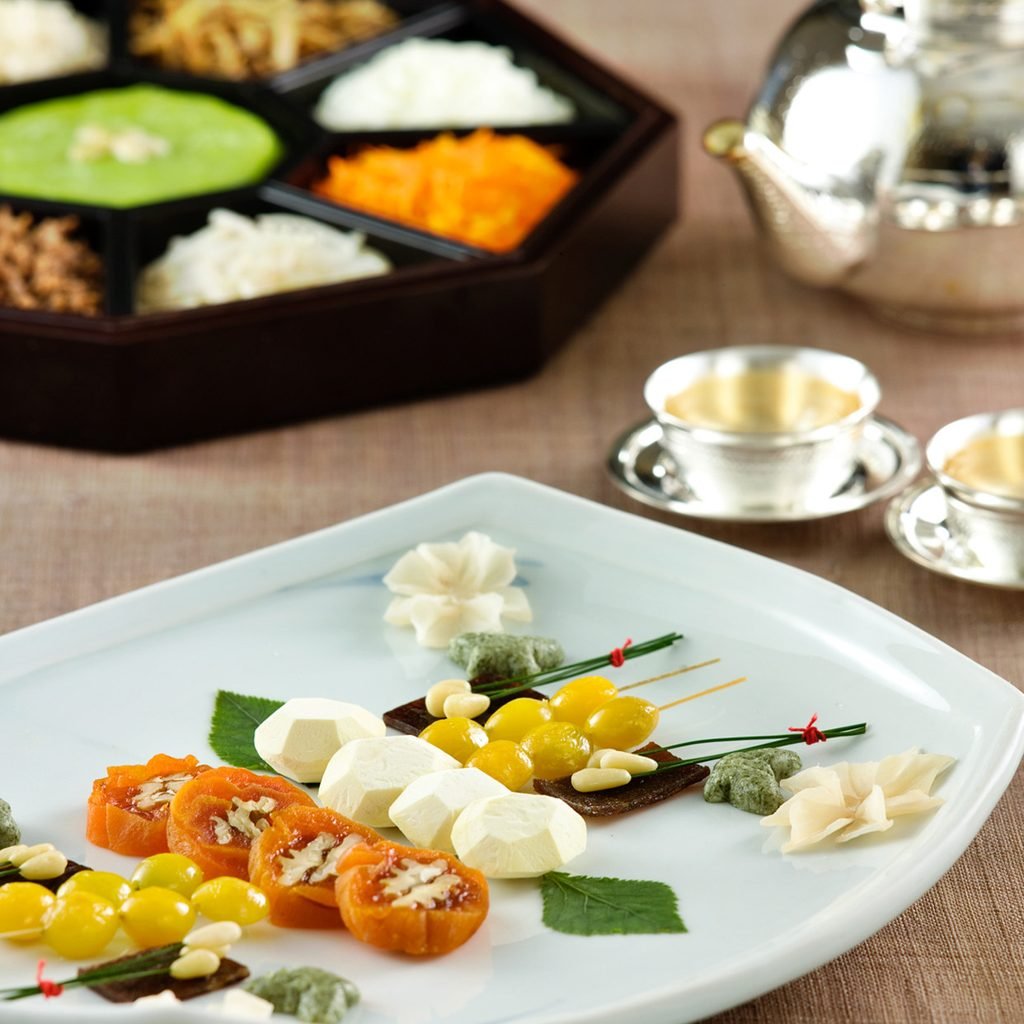
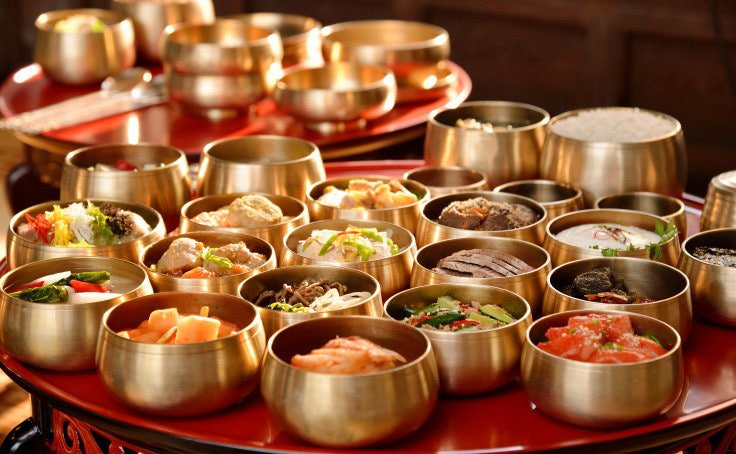
If walking through a Joseon royal palace makes you curious about Korean royal court cuisine, Jihwaja has the clearest connection to that theme.
Instead of centering the meal around one familiar Korean dish, Jihwaja serves courses designed around the ingredients, techniques, presentation, and traditions of Korean court cuisine.
That makes the restaurant fundamentally different from a normal soup shop or barbecue restaurant.
The meal itself becomes part of the cultural experience.
Jihwaja is farther north than the restaurants clustered around Gyeongbokgung Station, so it is best planned before your palace visit rather than chosen spontaneously afterward.
What to Order
For the fullest experience, choose a Royal Banquet course.
At the time this guide was checked, lunch offered the Royal Banquet as well as selected set-course options, while dinner offered the full Royal Banquet course.
The restaurant currently requires each guest to order a course, and additional ordering rules can depend on group size.
Because course structure and prices can change, confirm the current menu when making your reservation instead of relying on an old menu photo.
Why Try Royal Court Cuisine After Gyeongbokgung?
This is one of the rare cases where the itinerary itself makes the restaurant more interesting.
You can spend the day walking through the primary royal palace of the Joseon Dynasty and then continue the historical theme through a cuisine associated with Korea’s royal culinary tradition.
It will not be the right choice for every first-time visitor, especially if you simply want a quick casual meal.
For travelers who are particularly interested in Korean history and food culture, however, the connection is difficult to match.
Reservation Tip
Jihwaja currently accepts reservation requests through its official website, and additional booking options may also be available through Korean reservation platforms.
Reservations are strongly recommended.
As with Onjium, do not treat the current reservation method as permanent. Booking channels, available courses, cancellation conditions, and dining policies can change.
If you have food allergies or important dietary restrictions, communicate them during the reservation process rather than waiting until you arrive.
4. Tonguidong Gukbingwan
Best for: Premium Korean beef in a refined Seochon setting
Area: Tongui-dong, Seochon
Hours: Current listings show lunch and dinner service, generally 11:30–15:00 and 17:00–22:00
Reservation / waiting: Reservations are available and recommended for a fixed dinner plan; waits may still occur at busy times
Search on NAVER Map: 통의동 국빈관
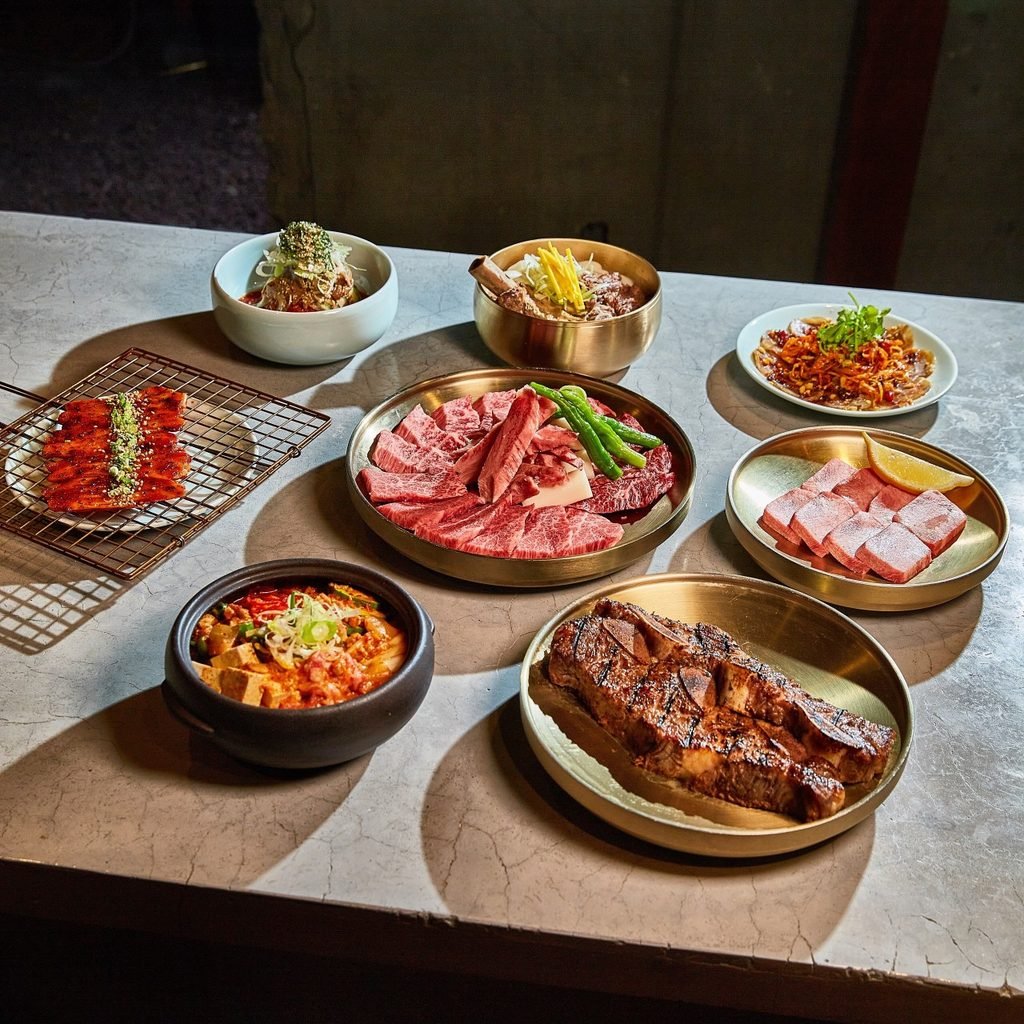
Tonguidong Gukbingwan is the premium Korean barbecue option in this guide.
Set in a traditional-style building with a courtyard, the restaurant specializes in Korean beef and charcoal-grilled meat.
The quieter atmosphere also suits the neighborhood. It feels quite different from the lively, casual barbecue restaurants many travelers encounter elsewhere in Seoul.
What to Order
There are two easy ways to approach the menu.
If you want to focus on premium Korean beef, choose one of the Hanwoo selections.
If you prefer something more familiar for your first Korean beef barbecue meal, marinated galbi is an approachable starting point.
The sweet-savory marinade makes galbi particularly easy to enjoy even if you do not yet know which Korean beef cuts you prefer.
Why Choose Gukbingwan
Gukbingwan and Kim Jin Mok Sam both serve grilled meat, but they fill very different roles in this guide.
Choose Gukbingwan for premium beef, a calmer atmosphere, and a more polished meal.
Choose Kim Jin Mok Sam if what you really want is the casual samgyeopsal-and-moksal experience many travelers picture when they think of Korean barbecue.
For more options throughout the city, see our guide to the best Korean BBQ restaurants in Seoul.
Reservation and Waiting Tip
Booking ahead is useful if dinner needs to fit a fixed sightseeing schedule.
At the same time, a reservation system does not mean the restaurant’s booking times, minimum-order rules, or dining sessions will always remain unchanged.
Check the latest booking conditions and last-order time when you reserve.
5. On 6.5
Best for: Contemporary Korean food and creative uses of kimchi
Area: Anguk, east of Gyeongbokgung
Hours: Current listings show 17:30–23:00 on weekdays and 15:00–23:00 on weekends
Reservation / waiting: Reservations are available through CATCHTABLE and recommended; walk-in availability can vary
Search on NAVER Map: 온6.5
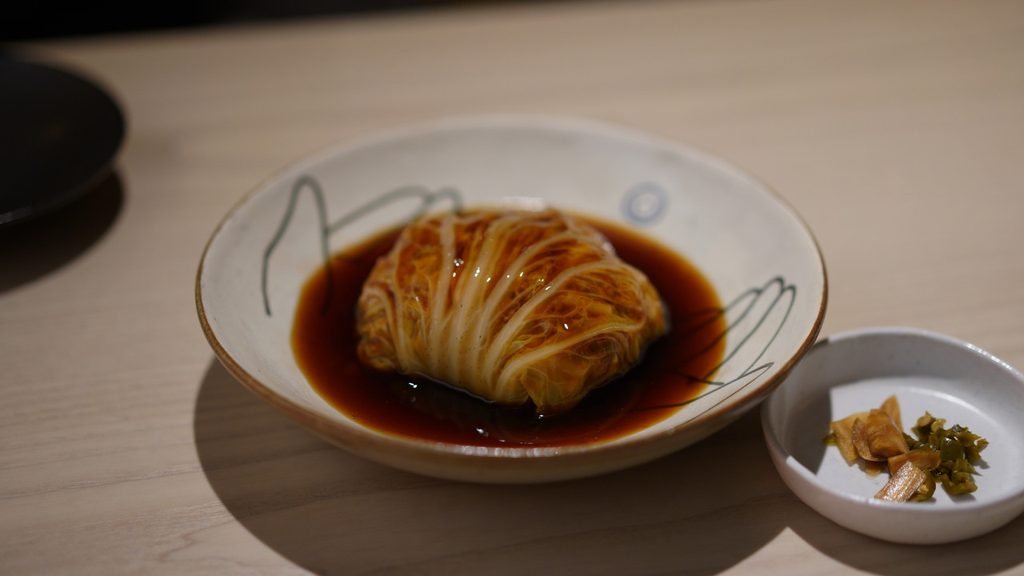
On 6.5 is the most contemporary restaurant in this guide.
Its identity is strongly connected to kimchi and fermentation, but not in the traditional sense of simply placing kimchi beside the meal as a side dish.
Instead, fermented vegetables and familiar Korean flavors become ingredients inside the dishes themselves.
It is a useful reminder that Korean food in Seoul is not limited to restaurants preserving older recipes. Contemporary chefs are also actively reinterpreting familiar Korean ingredients.
What to Order
The menu can change, so I would not build your visit around one dish seen in an old social media post.
A good first approach is to choose one kimchi-focused dish, then add a seasonal meat, seafood, noodle, or sharing dish.
Ask which dishes best represent the current menu if you are unsure.
That is more useful here than trying to reproduce someone else’s exact order from several months earlier.
Why Visit On 6.5
Most restaurants in this guide are west of Gyeongbokgung.
On 6.5 gives the list an important eastern option and works particularly well if your sightseeing route continues toward Anguk, Bukchon Hanok Village, or Samcheong-dong.
It also provides a useful contrast with Onjium and Jihwaja.
All three are rooted in Korean food, but they express that connection in very different ways.
Reservation and Timing Tip
On 6.5 currently offers CATCHTABLE booking options.
Reservations are recommended if you have a fixed evening plan.
Because reservation times, walk-in availability, dining limits, and kitchen closing times can change, check the current information on your actual visit date.
This is especially important if you want to combine dinner with Gyeongbokgung’s nighttime opening.
6. Kim Jin Mok Sam Main Branch
Best for: A classic Korean pork BBQ experience
Area: Seochon, near Gyeongbokgung Station
Hours: Current listings show daily 11:30–22:00
Reservation / waiting: Reservations are available, but queues can still occur during popular meal times
Search on NAVER Map: 김진목삼 본점
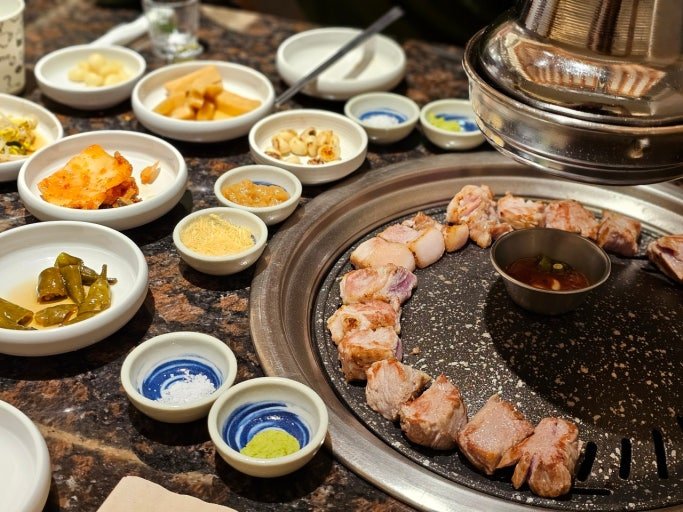
For many international visitors, Korean barbecue means samgyeopsal, and Kim Jin Mok Sam is the restaurant in this guide that best fills that role.
The menu focuses on thick cuts of pork, especially moksal and samgyeopsal.
This is a more casual experience than Gukbingwan and works particularly well for travelers who want the familiar Korean pork-barbecue atmosphere they have seen in videos, dramas, or travel guides.
What to Order
For two people, a combination of moksal and samgyeopsal is a good place to start.
Moksal is pork neck. It is meatier and generally less fatty.
Samgyeopsal is pork belly, with a richer and fattier texture.
Trying both makes the difference easy to understand.
After the meat, check whether you want to add a stew, rice, or noodle dish rather than ordering too much pork at the beginning.
Why It Works for First-Time Visitors
The menu is easy to understand, and the restaurant focuses on exactly the type of grilled pork many travelers specifically want to try in Korea.
Staff commonly help with the grilling process, which is useful if you are unsure when to turn, cut, or eat each piece.
If staff begin handling the grill, let them lead rather than repeatedly moving the meat yourself.
Reservation and Ordering Tip
Reservations are currently available, but walk-ins can still face waits during the main dinner rush.
Korean barbecue restaurants may also have minimum-order or per-person ordering rules.
If this is your first restaurant meal in Korea, our guide to ordering food in Korea explains menus, portions, kiosks, payment, and common ordering situations.
7. Anju Maeul
Best for: Seasonal seafood and experiencing Korean drinking culture
Area: Seochon, near Gyeongbokgung Station
Hours: Current listings generally show afternoon service until 23:00, with Sunday closed
Reservation / waiting: Many visitors use a same-day waiting system; long waits are common
Search on NAVER Map: 안주마을
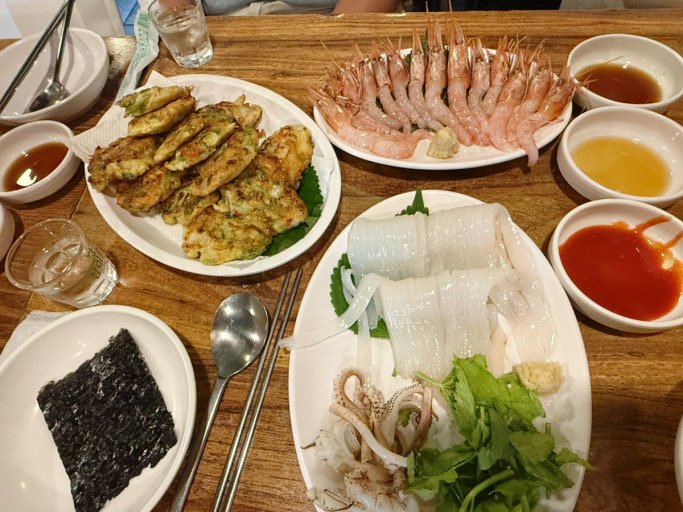
Anju Maeul is different from every other restaurant in this guide.
The experience is as much about Korean anju culture as it is about one signature dish.
In Korea, anju means food eaten with alcohol.
That does not necessarily mean simple bar snacks. At Anju Maeul, seasonal seafood, fish roe, tofu dishes, jeon, and other substantial plates can easily become a full dinner when shared with soju, makgeolli, or another Korean drink.
What to Order
This is one restaurant where I would not recommend arriving with one rigid must-order list.
The seafood selection changes according to season and availability.
A good approach is to choose one seasonal seafood dish, then add a warm dish such as soup or jeon to balance the meal.
Well-known dishes can be useful as a starting point, but the restaurant makes more sense when you also consider what is particularly good on the day you visit.
What Is Anju Culture?
For travelers accustomed to ordering one appetizer and one main course per person, the rhythm of an anju restaurant may feel different.
A group usually orders several dishes for the table and eats slowly while drinking and talking.
The food and drinks are not separate parts of the evening. They are intended to work together.
That is one reason Anju Maeul can offer a more local cultural experience than a conventional one-dish restaurant.
Waiting Tip
The biggest challenge at Anju Maeul is getting a table.
Many visitors use same-day on-site or app-based waiting rather than a conventional reservation made weeks in advance.
In other words, it is possible to eat here without a traditional advance reservation.
It is also possible to face a very long wait or find that the queue is no longer accepting new groups.
The exact method and opening time for remote or on-site waiting can change, so do not rely on an older review that tells you the queue always opens at one specific time.
Check the current CATCHTABLE or restaurant information on the day of your visit.
If Anju Maeul is a priority, keep the rest of your schedule flexible rather than placing a timed attraction immediately around your estimated seating time.
8. Yonggeumok
Best for: Trying an old-school Korean dish with genuine Seoul history
Area: Seochon, 41-2 Jahamun-ro
Hours: Mon–Fri 11:30–15:00 and 17:00–around 21:00; Sat 11:30–15:00 and 17:00–20:00; closed Sunday
Reservation / waiting: Reservations are possible, but walk-ins are generally practical; waits can still occur at meal times
Search on NAVER Map: 용금옥
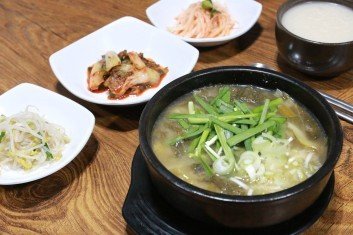
Yonggeumok is the most adventurous recommendation in this guide, but it is also one of the most interesting.
This guide refers specifically to the Yonggeumok at 41-2 Jahamun-ro in Seochon.
The restaurant traces its history back to 1932 and specializes in chueotang, or loach soup. It has also been recognized by the Michelin Guide as a Bib Gourmand restaurant.
Unlike restaurants built around dishes already familiar to many international visitors, Yonggeumok offers something you may never consider unless someone specifically recommends it.
What to Order: Namdo-Style Chueotang
For a first visit, I recommend the Namdo-style chueotang.
In this version, the loach is cooked and ground into the soup, so you do not see or eat a whole fish.
This creates the thick, earthy, savory style that many Koreans today are likely to picture when they hear the word chueotang.
When I visited Yonggeumok, I chose the Namdo-style version, and it was much more approachable than the idea of eating loach soup may sound to someone unfamiliar with the dish.
Once the loach is ground into the broth, it does not feel like eating individual fish. Instead, it becomes part of the body and savory flavor of the soup.
Namdo-Style vs. Seoul-Style Chueotang
Yonggeumok also serves a traditional Seoul-style chueotang, and the two versions are noticeably different.
The Namdo-style version grinds the cooked loach into the soup, producing the thicker and more uniform texture commonly associated with chueotang today.
The traditional Seoul style is more soup-like and is known for using whole loach in a seasoned beef-based broth rather than completely blending the fish into the soup. Other ingredients can include tofu, mushrooms, vegetables, and additional garnishes.
This gives it a more distinctive appearance and texture.
If you are specifically interested in old Seoul food traditions, the Seoul-style version is worth knowing about.
For someone trying chueotang for the first time, however, I would start with the Namdo-style version.
First-Timer Tip: Taste the Soup Before Adding Jepi Powder
Chueotang is commonly eaten with jepi powder (제피가루).
It has a strong citrusy, herbal aroma and a slightly tingling character.
In everyday Korean usage, jepi-garu is a very common name for this seasoning.
You may also see chopi-garu (초피가루). Some Koreans loosely use the term sancho-garu (산초가루) as well, although Korean sancho technically comes from a different plant.
The important point for a first-time visitor is simple:
Do not add a large spoonful immediately.
The aroma of jepi can be quite polarizing even among Koreans.
Taste the original soup first.
Then add a small amount of jepi powder and taste it again.
You can always add more, but once you add too much, its aroma can dominate the entire bowl.
Why Yonggeumok Is Worth Including
There are easier foods to recommend to a first-time visitor.
That is exactly why Yonggeumok belongs in this list.
Tosokchon shows the accessible side of traditional Korean food. Gukbingwan and Kim Jin Mok Sam provide familiar Korean barbecue. Onjium and Jihwaja represent very different high-end approaches to Korean culinary tradition.
Yonggeumok shows another side of Seoul’s food history: an old restaurant built around a dish that remains familiar to Koreans but is much less familiar to international travelers.
If you want one meal that takes you beyond the standard tourist checklist, this is the place in this guide to do it.
Bonus: Bar Cham
Best for: Korean-inspired cocktails after dinner
Area: Seochon
Hours: Current listings show 18:00–01:00; Tuesday closed
Reservation / waiting: Seating is limited; check the current reservation or waiting system before visiting
Search on NAVER Map: 바 참
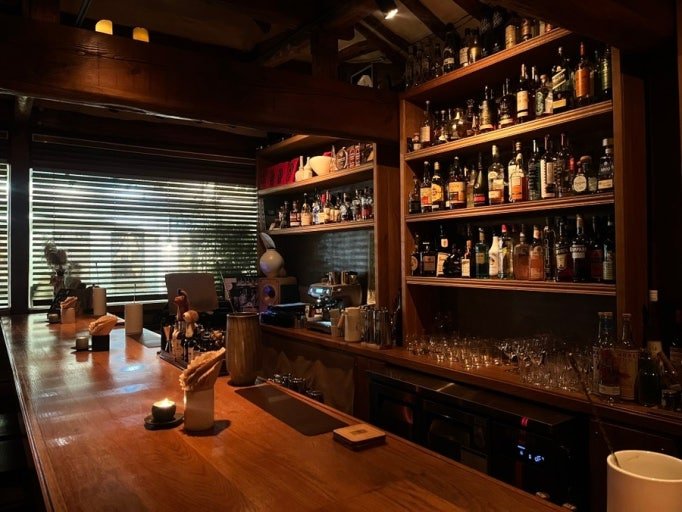
Bar Cham is not counted among the eight restaurants above because it is a cocktail bar rather than a restaurant.
It is included as a bonus because its location and concept fit a Gyeongbokgung and Seochon evening particularly well.
Located inside a hanok in Seochon, Bar Cham is known for cocktails inspired by Korean spirits, regional ingredients, fruits, herbs, tea, and other local flavors.
That makes it a natural way to continue the Korean theme of the day after dinner.
It is also a small and popular bar, so late opening hours do not necessarily mean immediate seating.
Reservation and waiting policies can change, so check the current information before visiting.
Choose Bar Cham if: you want to end the evening with one distinctive drink rather than another full meal.
Where to Eat After Gyeongbokgung Night Viewing
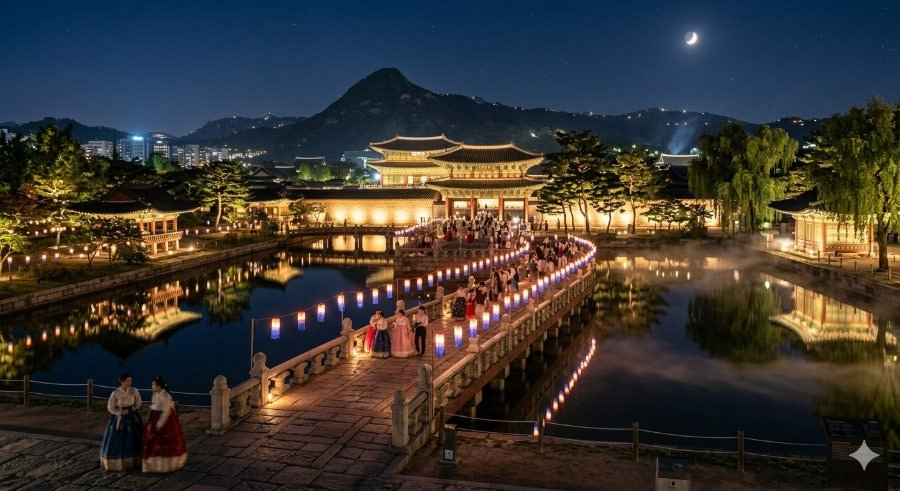
Gyeongbokgung periodically opens for special nighttime viewing, and seeing the palace illuminated after sunset can be one of the most memorable ways to experience it.
For the currently announced 2026 autumn nighttime-viewing season, Gyeongbokgung will open at night from September 2 to October 2, from 19:00 to 21:30, with last admission at 20:30.
There is no nighttime viewing on Mondays or Tuesdays during this period.
This schedule is specific to the announced 2026 season.
If you are reading this guide for a later trip, always check the current official Gyeongbokgung schedule rather than assuming the same dates and times repeat every year.
For the latest palace hours, nighttime-opening dates, and ticket information, check the official Gyeongbokgung Palace website before your visit.
Closing Time Is Not the Same as Last Order
This is the most important restaurant tip for nighttime visitors.
If you remain inside Gyeongbokgung until 21:30, many nearby restaurants may still technically be open while their kitchens have already stopped accepting orders.
A restaurant showing 22:00 closing time on a map does not necessarily mean you can arrive at 21:40 and order dinner.
Before entering the palace, check:
- Last order
- Reservation time
- Current waitlist status
- Whether the restaurant is still accepting new customers
Anju Maeul Is Open Late, but Waiting Makes It Unpredictable
Anju Maeul currently stays open later than most restaurants in this guide.
However, its popularity means it should not be treated as a guaranteed spontaneous meal after leaving Gyeongbokgung at 21:30.
The same-day queue may already be long or may stop accepting additional groups.
If Anju Maeul is your post-palace plan, check the current waiting situation earlier in the evening.
On 6.5 Works Better With a Plan
On 6.5 also operates relatively late.
However, the kitchen cutoff, reservation times, and walk-in availability matter more than the advertised closing time.
If you intend to combine On 6.5 with nighttime viewing, make a confirmed reservation or check the current kitchen schedule rather than assuming you can walk in after the palace closes.
It becomes much easier if you leave Gyeongbokgung before the final 21:30 closing time.
Tosokchon Does Not Work After the Full Night Viewing
Tosokchon currently closes at 22:00 but takes its last order at 21:00.
That makes it useful for dinner before nighttime viewing or for visitors who leave the palace earlier.
It is not a realistic option after remaining inside until 21:30.
Gukbingwan and Yonggeumok also finish food service too early to be reliable after the full nighttime session.
Onjium and Jihwaja should already be treated as meals with confirmed dining times rather than spontaneous post-palace options.
The Safest Night-Viewing Strategy
If seeing the palace until the end is your priority, the least stressful options are:
Eat before entering Gyeongbokgung.
Make a confirmed late reservation at a restaurant whose current schedule works with your visit.
Check a same-day waitlist early enough to know whether dinner afterward is realistic.
If you have already eaten, Bar Cham is another way to continue the evening in Seochon after the palace closes.
Which Restaurant Should First-Time Visitors Choose?
If you want one straightforward recommendation with minimal advance planning, start with Tosokchon Samgyetang.
The food is mild, the hanok setting fits Gyeongbokgung naturally, and the restaurant is easy to understand for a first Korean meal.
For barbecue, choose Kim Jin Mok Sam if you want pork neck and samgyeopsal, or Tonguidong Gukbingwan if you prefer premium Korean beef and a more refined atmosphere.
Choose On 6.5 if you want to see how contemporary Seoul restaurants reinterpret Korean ingredients such as kimchi and fermentation.
For a special meal closely connected to Korean culinary tradition, Jihwaja focuses on royal court cuisine, while Onjium presents a modern fine-dining interpretation of Korean food traditions.
If seasonal seafood and drinks appeal to you more than a conventional one-main-dish dinner, choose Anju Maeul.
And if you want to try something beyond the standard first-trip food checklist, Yonggeumok’s Namdo-style chueotang is the most adventurous recommendation here.
If you are still deciding which Korean dishes should be priorities during your trip, our guide to 15 must-try Korean foods in Seoul is a useful starting point.
FAQ
Are there many good Korean restaurants near Gyeongbokgung Palace?
Yes.
Gyeongbokgung is surrounded by Seochon, Tongui-dong, Cheongun-dong, Samcheong-dong, Bukchon, Anguk, and Gwanghwamun.
That gives travelers access to casual Korean meals, Korean barbecue, royal court cuisine, contemporary Korean dining, seafood, and fine dining without traveling far from the palace area.
Which area is best for eating after Gyeongbokgung?
For most first-time visitors, Seochon is the easiest choice.
It is directly west of the palace and contains most of the restaurants in this guide.
If you plan to continue toward Bukchon, Samcheong-dong, or Anguk, eating on the eastern side of Gyeongbokgung may make more sense.
Do I need reservations for restaurants near Gyeongbokgung?
Not for every restaurant.
Onjium requires significant advance planning, and Jihwaja is also much easier with a confirmed reservation.
Gukbingwan and On 6.5 currently accept reservations, while Kim Jin Mok Sam also offers booking options but can still be busy during peak periods.
Tosokchon and Yonggeumok are more suitable for walk-in visits.
Anju Maeul is different: many diners use a same-day waiting system rather than a traditional advance reservation.
Most importantly, reservation and waiting policies are controlled by each restaurant and can change.
Check the latest system shortly before your visit.
Can I Eat Alone at These Restaurants?
Some are much easier for solo diners than others.
Individual dishes such as samgyetang at Tosokchon and chueotang at Yonggeumok are naturally suited to one person.
Korean barbecue, shared seafood dishes, and course restaurants may be more convenient with two or more people or may have party-size and minimum-order rules.
If you are traveling alone, see our Solo Dining in Seoul guide for restaurants and meal types specifically suited to solo travelers.
What Is the Easiest Korean Food to Try Near Gyeongbokgung?
Samgyetang at Tosokchon is one of the easiest choices.
The broth is mild, the dish is filling, and it does not require a high tolerance for spicy food.
If spicy Korean food is a concern throughout your trip, our guide to the best non-spicy Korean restaurants in Seoul has more beginner-friendly options.
What Is the Best Korean BBQ Near Gyeongbokgung Palace?
Choose Tonguidong Gukbingwan for premium Korean beef or Kim Jin Mok Sam for moksal and samgyeopsal.
They provide sufficiently different Korean barbecue experiences that including both in this guide is useful rather than repetitive.
Where Should I Eat After Gyeongbokgung Night Viewing?
If you stay until the 21:30 closing time, check each restaurant’s last-order time and current waitlist status, not just its closing time.
Anju Maeul stays open relatively late but can have a difficult queue.
On 6.5 may work with the right reservation and current kitchen schedule.
Tosokchon does not work after a full 21:30 visit because its current last order is 21:00.
The least stressful strategy is usually to eat before entering the palace or make a confirmed late reservation.
Is Yonggeumok Good for Someone Trying Chueotang for the First Time?
Yes, if you are comfortable trying a less familiar Korean dish.
I recommend the Namdo-style chueotang first.
The loach is ground into the soup, creating the smoother and thicker style that many people associate with chueotang today.
The traditional Seoul-style version is more distinctive and is better suited to someone specifically interested in older Seoul food traditions.
Whichever version you choose, taste the soup before adding jepi powder because its aroma can be surprisingly strong.
Final Thoughts
A visit to Gyeongbokgung does not have to end when you walk through the palace gates.
The neighborhoods surrounding the palace offer several very different ways to continue experiencing Korean culture through food: samgyetang in a hanok, royal court cuisine, modern interpretations of traditional ingredients, premium Hanwoo, pork barbecue, seasonal seafood, and a bowl of chueotang connected to generations of Seoul food history.
The most important thing is to choose according to your schedule as well as your appetite.
Some restaurants work well for a spontaneous lunch.
Others require reservations weeks in advance.
And even restaurants that normally accept walk-ins can develop substantial queues during weekends and peak meal times.
If you are visiting during a nighttime opening, check both the last-order time and waiting system before entering the palace.
A few minutes of planning can make the difference between ending your sightseeing day with a memorable Korean meal and discovering that your chosen restaurant stopped accepting customers before you arrived.
That combination of Korean history, neighborhood atmosphere, and genuinely different styles of food is what makes the Gyeongbokgung area one of the most rewarding places to eat on a first trip to Seoul.
How This Guide Was Checked
Restaurant locations, operating hours, regular closing days, reservation availability, waiting systems, and current dining formats were checked in August 2026 using official restaurant websites, CATCHTABLE, the Michelin Guide, official Seoul and Korea tourism resources, and current Korean restaurant listings.
The recommendation for Namdo-style chueotang at Yonggeumok also reflects a firsthand visit and meal at the Jahamun-ro location.
The 2026 autumn Gyeongbokgung nighttime-viewing schedule was checked against the official Royal Palaces and Tombs Center announcement.
Restaurant information can change after publication.
In particular, reservation-release dates, reservation platforms, waitlist opening times, deposits, cancellation policies, menus, last-order times, and regular closing days are controlled by individual restaurants and may change without notice.
Before visiting a restaurant that is important to your itinerary, confirm the latest information through its official website, NAVER Map, or CATCHTABLE.
Last checked: August 2026