15 Must-Try Korean Foods in Seoul for First-Time Visitors
Food is one of the best reasons to visit Seoul, but choosing what to eat can feel surprisingly difficult on your first trip.
You may already know Korean barbecue, bibimbap, kimchi, and tteokbokki from Korean dramas or social media. Once you arrive, however, you will find hundreds of unfamiliar dishes, busy local restaurants, shared menus, bubbling stews, market stalls, and food names that are difficult to remember.
The good news is that you do not need to try everything at once.
This guide introduces 15 must-try Korean foods in Seoul that give first-time visitors a balanced introduction to Korean dining. The list includes grilled meat, rice dishes, noodles, soups, street food, market snacks, and desserts.
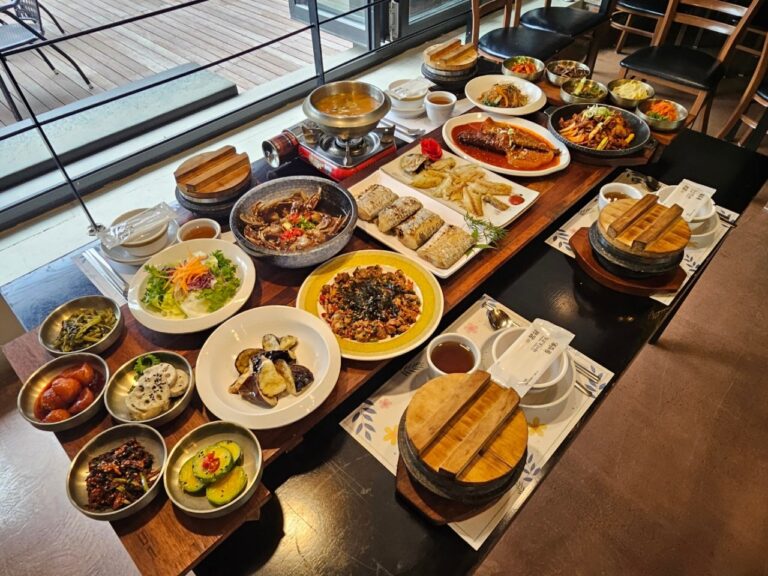
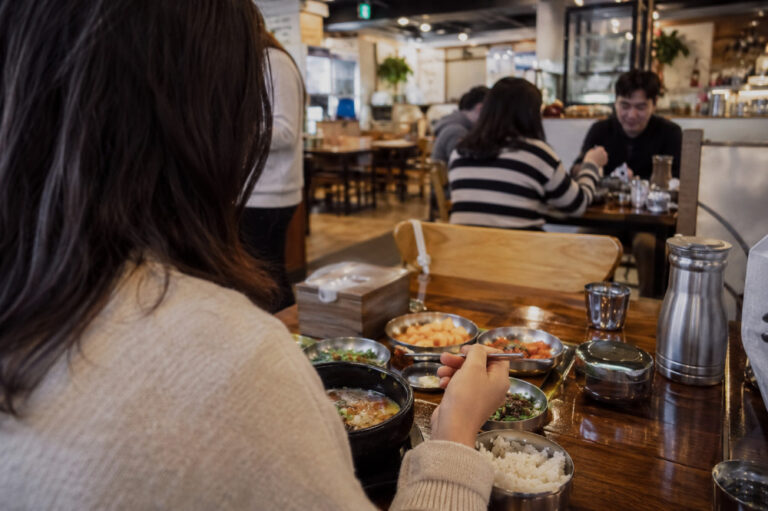
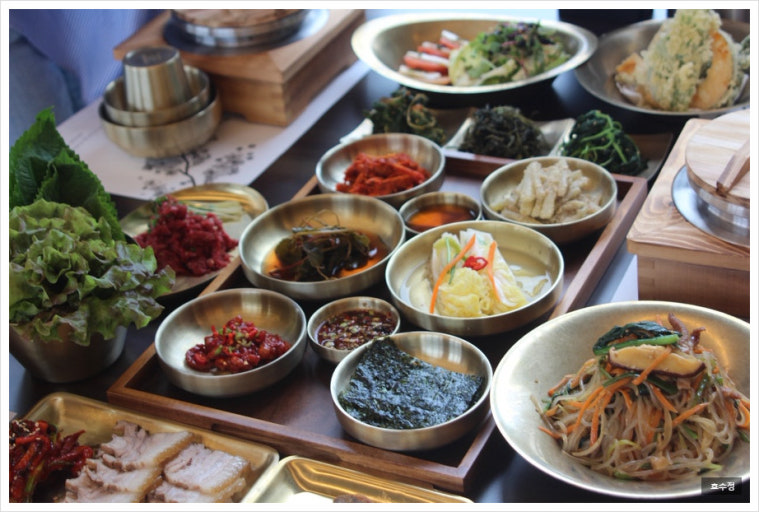
A traditional Korean meal may include rice, soup or stew, a main dish, and several small side dishes called banchan. Kimchi is also commonly served as part of the meal.
Some dishes in this guide are mild and easy to order alone. Others are spicy, designed for sharing, or better for travelers who already feel comfortable with Korean food.
Use this guide to decide what fits your taste, travel schedule, group size, and Seoul itinerary.
Table of Contents
Quick Guide to Must-Try Korean Foods in Seoul
| Korean Food | Main Flavor | Spicy? | Best For | Solo-Friendly |
|---|---|---|---|---|
| Korean BBQ | Smoky and savory | Usually no | A memorable first dinner | Sometimes |
| Bulgogi | Sweet and savory | No | Families and beginners | Usually |
| Bibimbap | Balanced and savory | Optional | An easy first Korean meal | Yes |
| Tteokbokki | Sweet and spicy | Yes | Street food fans | Yes |
| Korean Fried Chicken | Crispy and savory | Optional | Dinner with friends | Better for sharing |
| Gimbap | Light and savory | Usually no | A quick meal | Yes |
| Mandu | Savory and comforting | Depends | Snacks or a light meal | Yes |
| Kimchi Jjigae | Sour, spicy, and rich | Usually yes | Strong Korean flavors | Usually |
| Seolleongtang | Mild and comforting | No | A calm first meal | Yes |
| Kalguksu | Warm and savory | Usually no | Market lunches | Yes |
| Naengmyeon | Cold, tangy, or spicy | Depends | Summer and BBQ meals | Yes |
| Bossam | Rich and savory | Usually no | Sharing with a group | Sometimes |
| Bindaetteok | Crispy and nutty | Usually no | Traditional markets | Yes |
| Hotteok | Sweet and warm | Usually no | Street food dessert | Yes |
| Bingsu | Sweet and refreshing | No | Café breaks | Better for sharing |
1. Korean BBQ: Samgyeopsal, Moksal, and Galbi
Flavor: Smoky, savory, and rich
Spice Level: Usually not spicy
Best For: A memorable first dinner in Seoul
Beginner Order: Samgyeopsal, moksal, or marinated galbi
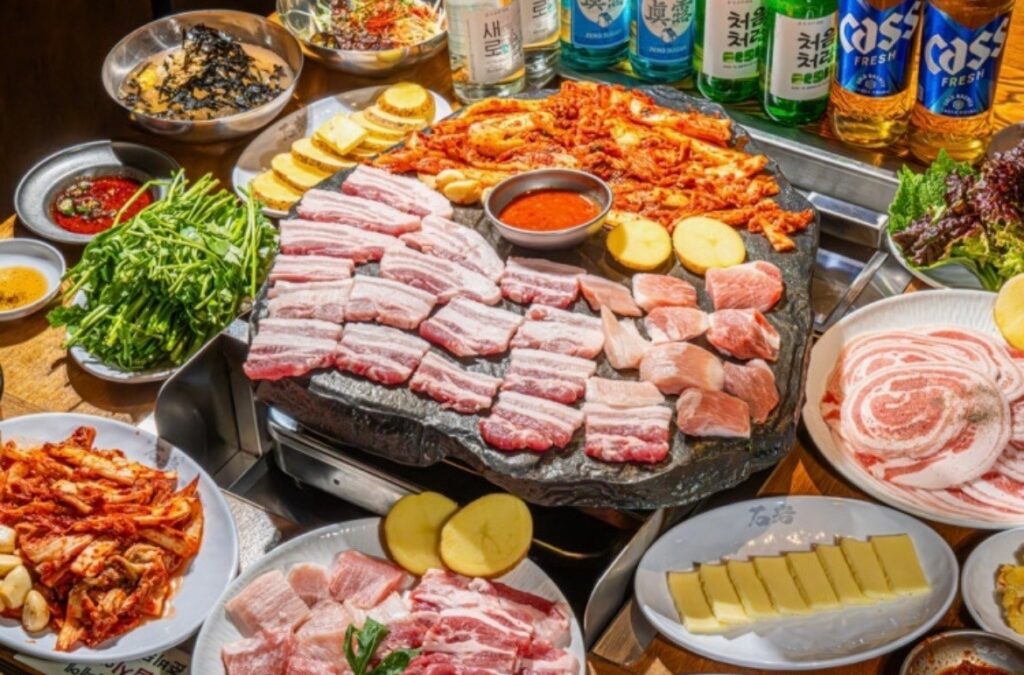
Korean BBQ is one of the most memorable food experiences in Seoul because the meal happens directly at your table.
Samgyeopsal is thick-cut pork belly with a rich, fatty texture. Moksal is pork neck, which is usually meatier and slightly less fatty. Galbi refers to ribs and may be served plain or in a sweet and savory marinade.
Grilled pork is commonly eaten with lettuce, garlic, dipping sauces, and small side dishes.
Depending on the restaurant, staff may cook the meat for you, or you may need to grill it yourself. If the staff begins cooking and cutting the meat, let them handle it rather than turning the meat repeatedly.
Many Korean BBQ restaurants require at least two portions of meat, even when two people are sharing. Minimum-order rules vary, so solo travelers should check before sitting down.
First-time ordering tip: Start with samgyeopsal if you enjoy rich pork. Choose marinated galbi if you prefer a sweeter and more familiar flavor.
Avoid when: You are traveling alone and have not checked the minimum order, or you are in a hurry before a timed attraction.
Best Korean BBQ Restaurants in Seoul for First-Time Visitors
2. Bulgogi
Flavor: Sweet, savory, and mild
Spice Level: Not spicy
Best For: Families, children, and visitors who avoid spicy food
Beginner Order: Beef bulgogi
Bulgogi is thinly sliced meat cooked in a sweet and savory marinade. Beef is the most familiar version for many visitors, although pork versions are also available.
The seasoning often includes soy sauce and sweet ingredients, creating a mild flavor that is easy to enjoy even if you have never tried Korean food before. Traditional bulgogi marinades may also use ingredients such as onion and pear.
Unlike tabletop Korean BBQ, bulgogi may arrive fully cooked in a pan or be served with broth and vegetables.
It is often eaten with rice and banchan, making it a comfortable option when you want a complete meal without managing a grill.
First-time ordering tip: Order rice if it is not automatically included, and eat the bulgogi together with the vegetables and sauce.
Avoid when: You expect a smoky tabletop grilling experience. Bulgogi and Korean BBQ are related, but the dining experience can be different.
3. Bibimbap
Flavor: Savory, nutty, fresh, and slightly spicy
Spice Level: Adjustable
Best For: A simple and balanced first Korean meal
Beginner Order: Regular bibimbap or dolsot bibimbap
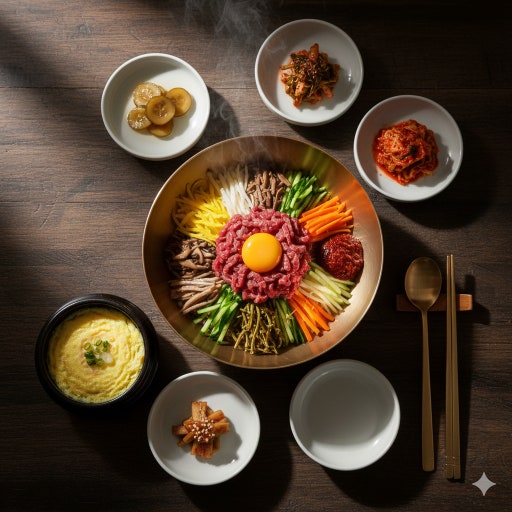
Bibimbap is a bowl of rice topped with vegetables and other ingredients. Depending on the restaurant, it may include egg, beef, mushrooms, bean sprouts, spinach, or seasonal vegetables.
The red sauce is usually gochujang-based and may be served inside the bowl or separately.
For your first bowl, add only part of the sauce, mix everything thoroughly, taste it, and add more if needed. Adding all the sauce immediately is one of the most common beginner mistakes.
Dolsot bibimbap is served in a very hot stone bowl. The rice touching the bowl becomes crispy, but the stone remains hot for a long time.
First-time ordering tip: Choose regular bibimbap for an easy meal. Choose dolsot bibimbap if you enjoy crispy rice and a hotter, heartier dish.
Avoid when: You assume every vegetable bibimbap is vegetarian. Meat, egg, seafood-based seasoning, or other animal ingredients may still be included.
Best Bibimbap in Seoul for Tourists: 7 Restaurants, Ordering Tips, and What to Choose
4. Tteokbokki
Flavor: Sweet, spicy, savory, and chewy
Spice Level: Medium to very spicy
Best For: Korean street food and casual snacks
Beginner Order: Classic tteokbokki with fried snacks
Tteokbokki is made with chewy rice cakes cooked in a thick red sauce. The sauce is usually sweet and spicy, but the heat level varies greatly between restaurants.
Some visitors expect tteokbokki to taste mostly sweet because of its bright sauce. In reality, even standard versions can feel quite spicy if you are sensitive to chili.
Popular additions include fish cakes, boiled eggs, ramen noodles, cheese, dumplings, and fried snacks.
At casual street food shops, you can dip fried vegetables, seaweed rolls, or dumplings into the sauce.
First-time ordering tip: Share one portion before ordering more. Pair it with fried snacks, gimbap, or fish cake broth to balance the heat.
Avoid when: You are very sensitive to spicy food. Asking for a less spicy version may not always be possible because the sauce is often prepared in advance.
Best Tteokbokki Places in Seoul for Tourists
5. Korean Fried Chicken
Flavor: Crispy, savory, sweet, spicy, or garlicky
Spice Level: Depends on the sauce
Best For: Groups, evening meals, and casual nights out
Beginner Order: Half original and half soy garlic
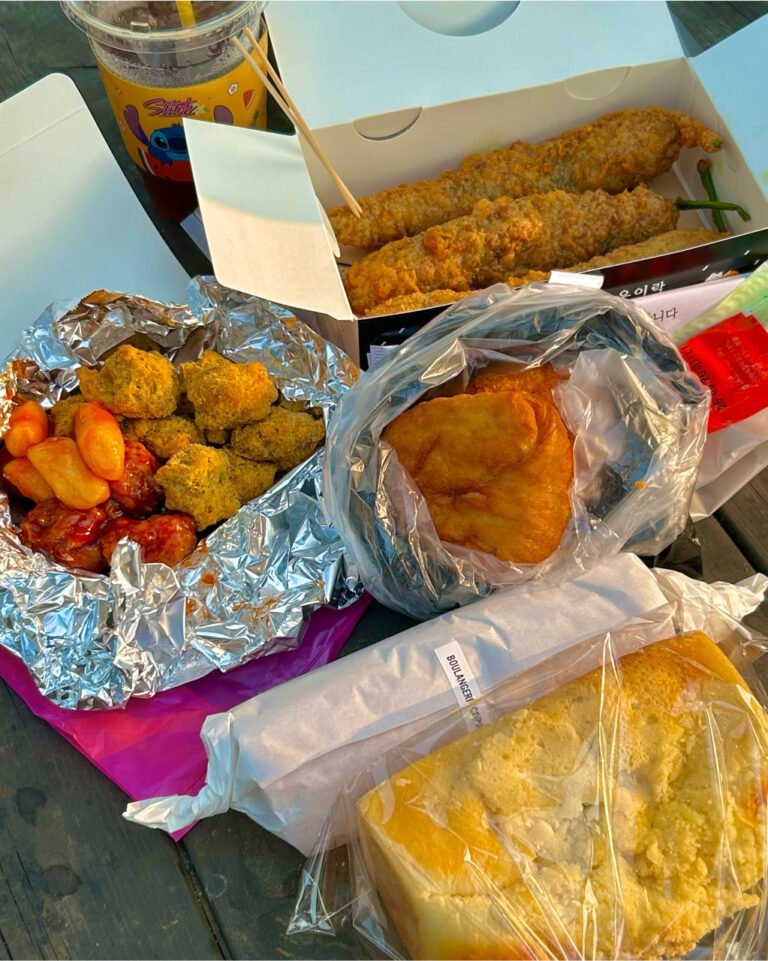
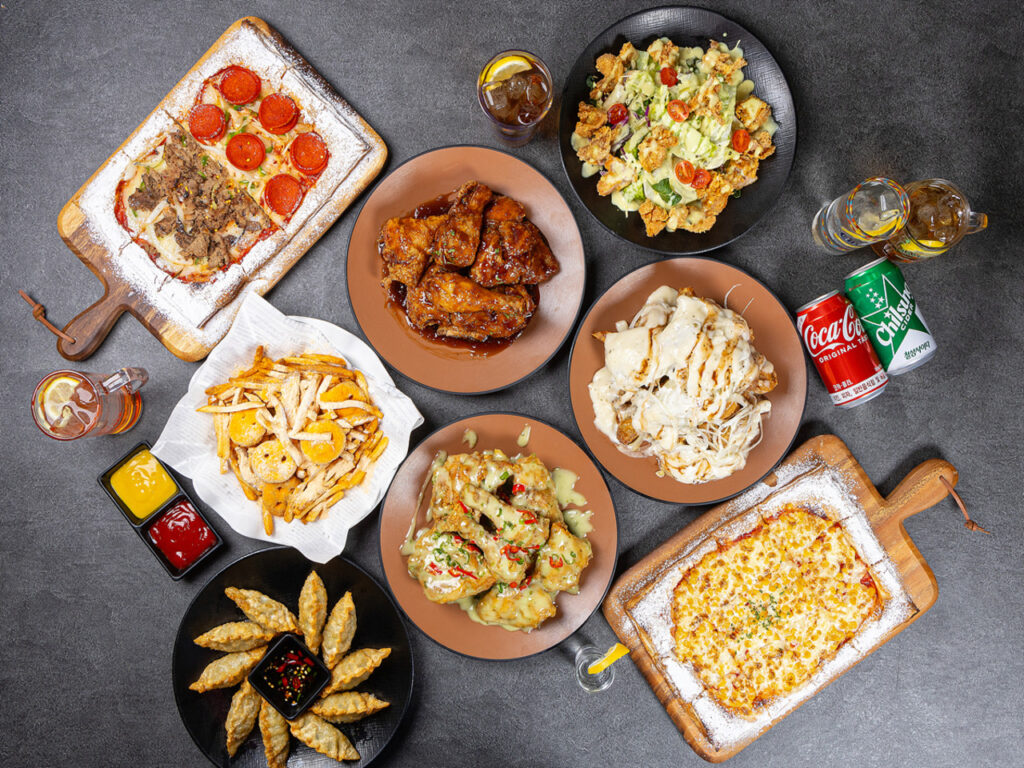
Korean fried chicken is famous for its thin, crispy coating and wide variety of sauces.
Original fried chicken is usually the mildest choice. Soy garlic chicken is sweet, savory, and beginner-friendly. Yangnyeom chicken is coated in a red sweet-and-spicy sauce, but the heat level depends on the restaurant.
Many chicken restaurants offer a half-and-half option, allowing you to try two flavors in one order.
Portions can be much larger than first-time visitors expect. A whole chicken is usually designed for sharing rather than as a single-person meal.
First-time ordering tip: Order half original and half soy garlic if you want two approachable flavors. Add yangnyeom if your group enjoys spicy food.
Avoid when: You are dining alone and have not checked portion sizes. Delivery-focused shops may also have different minimum orders.
Best Korean Fried Chicken in Seoul for First-Time Visitors
6. Gimbap
Flavor: Light, savory, and slightly nutty
Spice Level: Usually not spicy
Best For: Breakfast, quick lunches, train rides, and solo travelers
Beginner Order: Classic vegetable gimbap
Gimbap consists of rice and fillings rolled in dried seaweed and sliced into bite-sized pieces.
Common fillings include egg, carrot, pickled radish, spinach, fish cake, ham, tuna, cheese, or cooked meat.
Although it may look similar to sushi, classic gimbap usually does not contain raw fish. The rice is commonly seasoned with sesame oil rather than sushi vinegar.
Gimbap is one of the easiest Korean foods to order when you want a fast and affordable meal without sitting in a full-service restaurant.
First-time ordering tip: Start with a basic vegetable or classic gimbap. Tuna gimbap is richer because it is often mixed with mayonnaise.
Want to compare different styles? See our guide to the best gimbap in Seoul for eight shops covering classic, mini, egg-heavy, and specialty rolls.
Avoid when: You assume vegetable gimbap is fully vegetarian. Some versions may include egg, fish cake, ham, or animal-based seasoning.
7. Mandu
Flavor: Savory, juicy, and comforting
Spice Level: Usually mild; kimchi mandu may be spicy
Best For: Snacks, market visits, or a light meal
Beginner Order: Steamed meat mandu
Mandu are Korean dumplings that can be steamed, boiled, pan-fried, or served in soup.
Common fillings include pork, vegetables, tofu, glass noodles, chives, or kimchi.
Steamed mandu are soft and juicy, while fried mandu have a crisp exterior. Kimchi mandu usually have a stronger and spicier flavor.
Large handmade dumplings can be filling enough for a light meal, while smaller mandu work well as a side dish.
First-time ordering tip: Choose steamed meat mandu for the simplest introduction. Order a mixed plate if the restaurant offers one.
Avoid when: You have dietary restrictions and cannot confirm the filling. Vegetable-looking dumplings may still contain meat or seafood-based seasoning.
8. Kimchi Jjigae or Sundubu Jjigae
Flavor: Spicy, savory, fermented, and rich
Spice Level: Usually medium to high
Best For: Travelers who want a strong Korean comfort-food experience
Beginner Order: Pork kimchi jjigae or mild sundubu jjigae
Kimchi jjigae is a bubbling stew made with aged kimchi and ingredients such as pork, tofu, onions, or tuna.
Sundubu jjigae is a soft tofu stew that may include seafood, meat, vegetables, or egg.
Both dishes are usually served very hot and eaten with rice. The flavor is deeper and stronger than many first-time visitors expect.
Do not rush your first spoonful. The stone or metal pot can keep the stew extremely hot after it arrives.
First-time ordering tip: Eat a small amount of stew with rice rather than drinking the broth quickly. Rice helps balance the salt and spice.
Avoid when: You want a mild meal or assume tofu stew is vegetarian. Broths and sauces may contain meat or seafood ingredients.
9. Seolleongtang
Flavor: Mild, creamy, meaty, and comforting
Spice Level: Not spicy unless you add seasonings
Best For: Jet-lag days, cold weather, and visitors who avoid spicy food
Beginner Order: Classic seolleongtang
Seolleongtang is a milky-white beef soup traditionally served with rice, sliced beef, noodles, green onions, and kimchi.
The broth may taste surprisingly mild when it first arrives. This is intentional.
Many restaurants allow diners to season the soup themselves using salt, pepper, green onions, or other condiments on the table.
Add seasoning gradually rather than making the broth too salty immediately.
First-time ordering tip: Taste the soup first, add a small amount of salt, and eat it with rice and kimchi.
Avoid when: You expect a strongly seasoned soup. The appeal of seolleongtang is its gentle broth and the ability to adjust the flavor yourself.
10. Kalguksu
Flavor: Warm, savory, and comforting
Spice Level: Usually not spicy
Best For: Market lunches, rainy days, and solo dining
Beginner Order: Classic kalguksu
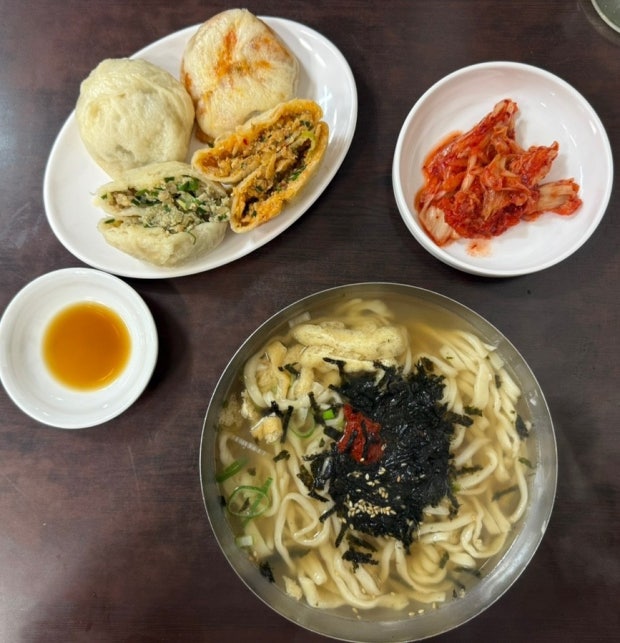
Kalguksu is a Korean noodle soup made with knife-cut wheat noodles.
The noodles are soft and slightly chewy, while the broth may be made with anchovies, seafood, chicken, beef, or vegetables depending on the restaurant.
Kalguksu is especially useful for first-time visitors because it is usually served as an individual meal and does not require complicated ordering.
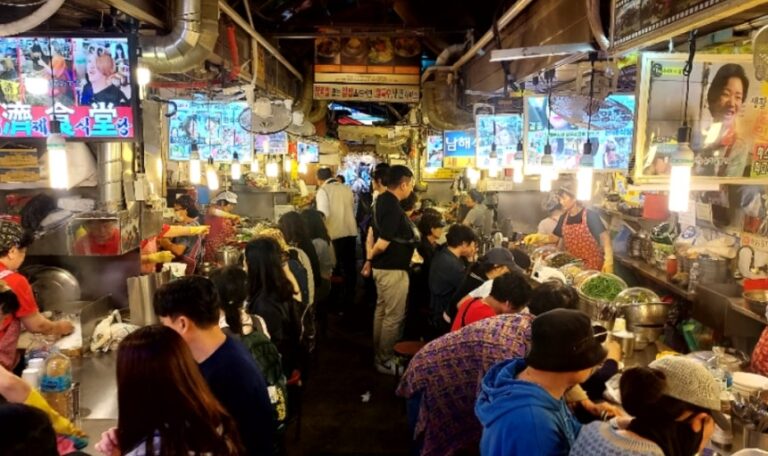
Namdaemun Market is well known for its casual noodle alley experience, while many local neighborhoods have their own popular kalguksu restaurants.
First-time ordering tip: Eat the noodles first and add kimchi gradually. The kimchi served at noodle restaurants may be much spicier or more garlicky than expected.
Avoid when: You avoid seafood ingredients but have not confirmed the broth.
What to Eat at Namdaemun Market: Food Guide for First-Time Visitors
11. Naengmyeon
Flavor: Cold, refreshing, tangy, savory, or spicy
Spice Level: Mild or spicy depending on the version
Best For: Summer, hot weather, or a meal after Korean BBQ
Beginner Order: Mul naengmyeon
Naengmyeon is a cold noodle dish with long, chewy noodles.
Mul naengmyeon is served in chilled broth and usually has a mild, tangy flavor. Bibim naengmyeon is mixed with a spicy red sauce and has a stronger flavor.
Vinegar and mustard may be provided at the table, but taste the noodles before adding them.
The long noodles may be difficult to bite. Some restaurants provide scissors, while others may cut the noodles for you.
First-time ordering tip: Choose mul naengmyeon if you want the milder version. Add vinegar or mustard little by little.
Avoid when: You dislike very cold meals or expect the texture of soft wheat noodles. Naengmyeon noodles can be unusually chewy.
12. Bossam
Flavor: Rich, savory, fresh, and slightly fermented
Spice Level: Usually mild, but side dishes may be spicy
Best For: Groups and travelers who enjoy pork
Beginner Order: A small bossam set
Bossam is sliced boiled pork served with cabbage leaves, lettuce, garlic, sauces, and seasoned vegetables.
You make a wrap by placing pork and a small amount of sauce or side dish inside a leaf.
The pork itself is usually mild, while the accompanying kimchi or seasoned radish may be salty, sweet, garlicky, or spicy.
Bossam is often a shared dish, and restaurant portions may be designed for two or more people.
First-time ordering tip: Do not make the wrap too large. One piece of pork with a small amount of sauce and vegetables is easier to eat.
Avoid when: You are dining alone and the restaurant does not offer a one-person or small portion.
13. Bindaetteok
Flavor: Crispy, savory, nutty, and rich
Spice Level: Usually not spicy
Best For: Traditional markets and shared snacks
Beginner Order: One freshly cooked mung bean pancake
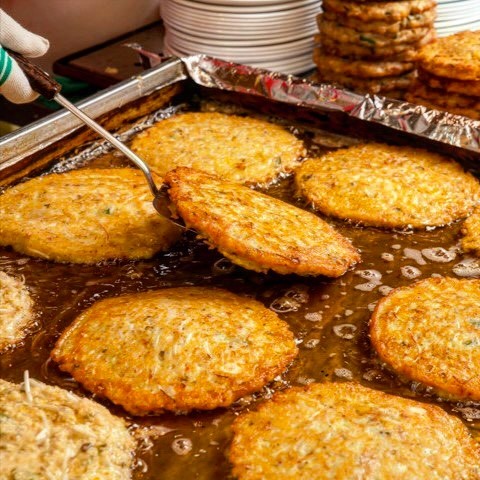
Bindaetteok is a savory mung bean pancake cooked on a hot griddle.
It usually has a crisp exterior and a soft, hearty center. Ingredients vary but may include vegetables, bean sprouts, kimchi, or meat.
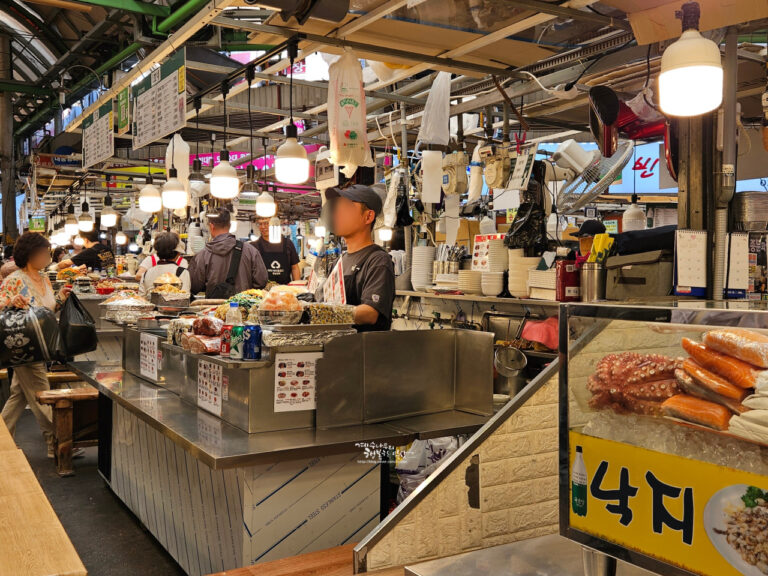
Gwangjang Market is especially known for bindaetteok, along with foods such as mini gimbap and yukhoe.
The pancakes can be oily and filling, so one is often enough to share when you also plan to try other market foods.
First-time ordering tip: Eat it while it is hot and order only one at first. You can always add more food later.
Avoid when: You are trying to sample many market dishes alone. Large pancakes can fill you up quickly.
What to Eat at Gwangjang Market for First-Time Visitors
14. Hotteok
Flavor: Sweet, warm, chewy, and nutty
Spice Level: Usually not spicy
Best For: Winter, market walks, and a quick dessert
Beginner Order: Classic brown sugar hotteok
Hotteok is a filled pancake commonly sold at markets and street food stalls.
The classic version contains melted brown sugar, cinnamon, and nuts or seeds. Some areas also sell savory versions with vegetables, noodles, or other fillings.
Fresh hotteok can be extremely hot inside because the sugar becomes a liquid syrup.
Take a small bite and allow the filling to cool before eating quickly.
First-time ordering tip: Keep the paper cup or wrapper underneath the hotteok because hot syrup may drip out.
Avoid when: You have just received it from the griddle and are tempted to take a large bite immediately.
15. Bingsu
Flavor: Sweet, creamy, fruity, or nutty
Spice Level: Not spicy
Best For: Summer afternoons, café breaks, and sharing
Beginner Order: Patbingsu, mango bingsu, or injeolmi bingsu
Bingsu is a Korean shaved ice dessert served with toppings.
Patbingsu includes sweet red beans, while modern versions may use mango, strawberries, matcha, chocolate, cheesecake, or injeolmi rice cake.
Many café portions are large enough for two people, so check the size before ordering one dessert per person.
Bingsu is a useful break during a long walking day, especially in neighborhoods with many cafés such as Seongsu, Ikseondong, Hongdae, and Yeonnam.
First-time ordering tip: Share one regular-sized bingsu first. Mix gently rather than crushing all the toppings immediately.
Avoid when: You are already full after a heavy meal. Large bingsu portions can be more filling than they appear.

Best Korean Foods by Traveler Type
Best First Korean Meal
Choose one of these:
- Bibimbap
- Bulgogi
- Korean BBQ
- Kalguksu
These dishes are recognizable, satisfying, and relatively easy to order.
Best for Travelers Who Do Not Like Spicy Food
Try:
- Bulgogi
- Seolleongtang
- Kalguksu
- Classic gimbap
- Steamed mandu
- Samgyeopsal without spicy sauce
Best Non-Spicy Korean Restaurants in Seoul for First-Time Visitors
Best for Solo Travelers
Try:
- Bibimbap
- Gimbap
- Mandu
- Seolleongtang
- Kalguksu
- Naengmyeon
Shared foods such as Korean BBQ, bossam, and large fried chicken orders may require more planning.
Solo Dining in Seoul: Best Restaurants for First-Time Visitors
Best for Street Food Fans
Try:
- Tteokbokki
- Gimbap
- Mandu
- Hotteok
- Bindaetteok
Traditional markets are useful because you can see the food being prepared and try several dishes in one area.
Best for Groups
Try:
- Korean BBQ
- Korean fried chicken
- Bossam
- Large market pancakes
- Bingsu
Sharing allows the group to try more flavors without ordering a full portion of every dish.
First-Time Ordering Tips in Seoul
Start with One Main Dish and One Extra
Do not order too much before seeing the portion size.
Korean meals may include several banchan, soup, rice, or other items that are not obvious from the main menu photo.
Start with one main dish per person or the restaurant’s minimum order, then add more food if needed.
Add Spicy Sauces Gradually
Gochujang-based sauces can be sweeter and spicier than expected.
For bibimbap, add only part of the sauce first. For noodles, taste before adding extra chili sauce.
Check Minimum Orders
Korean BBQ, bossam, hot pot, and some shared dishes may require two portions or a minimum order.
The rule may apply even when one person is dining alone.
Use Menu Photos Carefully
Photos are helpful, but they do not always show every ingredient.
Broths, sauces, and side dishes may contain ingredients that are not visible.
Do Not Assume “Less Spicy” Is Always Possible
Some restaurants prepare sauces and stews in advance.
Even when staff understand your request, the basic sauce may already be spicy.
Check the Latest Information Before Visiting
Restaurant hours, break times, last orders, branches, menus, and waiting systems can change.
Use Naver Map to check recent information before traveling across Seoul for one restaurant.
How to Use Naver Map in Korea: A Beginner-Friendly Guide for Foreign Travelers
Situations to Avoid
Avoid a Viral Restaurant When Your Schedule Is Tight
A famous restaurant may have a long queue or complicated waiting system.
Do not plan a popular restaurant immediately before a palace reservation, train departure, performance, or airport trip.
Avoid Shared Restaurants Without Checking the Minimum Order
Korean BBQ, bossam, and hot pot restaurants are not always convenient for one person.
Check recent menu photos or reviews before visiting alone.
Avoid Planning Too Many Heavy Meals in One Day
Korean BBQ, fried chicken, bossam, market pancakes, and large desserts can be filling.
A better food day might include:
Light gimbap breakfast → kalguksu lunch → café break → Korean BBQ dinner
Avoid Expecting Every Traditional Market to Be a Night Market
Different markets have different operating patterns.
Visit during active daytime or meal hours unless you have confirmed that the food area stays open late.
Avoid Depending Only on a Translated Dish Name
A translated menu may not explain the broth, sauce, filling, garnish, or preparation method.
Travelers with serious allergies or strict dietary restrictions should choose restaurants that can clearly confirm ingredients and possible cross-contact.
Common Korean Food Mistakes First-Time Visitors Make
Mistake 1: Thinking All Korean Food Is Spicy
Korean cuisine includes many mild dishes, such as seolleongtang, bulgogi, kalguksu, gimbap, steamed mandu, and grilled meat.
Do not spend your entire trip avoiding Korean restaurants because you dislike chili.
Mistake 2: Ordering Too Much Before the Banchan Arrives
Side dishes can make a meal feel much larger.
Wait until you see the full table before adding several extra dishes.
Mistake 3: Adding All the Sauce Immediately
This is especially common with bibimbap and spicy noodles.
Add sauce gradually and adjust after tasting.
Mistake 4: Assuming Every BBQ Restaurant Is Solo-Friendly
Some restaurants require two meat portions or focus on group dining.
Choose an individual meal when you want a simple solo experience.
Mistake 5: Choosing a Restaurant Only Because It Is Famous
A famous restaurant across the city is not always better for your itinerary than a good restaurant near your hotel or sightseeing route.
Seoul is large. Location matters.
Mistake 6: Ignoring Break Time and Last Order
A restaurant may be open in the evening but close between lunch and dinner.
Check the latest operating information before traveling.
Mistake 7: Trying to Eat Every Famous Food in Two Days
Food travel is more enjoyable when meals fit naturally into your route.
Choose a few priority dishes and save the rest for another neighborhood or future trip.
How to Combine Korean Food with Seoul Attractions
Route 1: Historic Seoul and Traditional Market Food
Gyeongbokgung Palace → Bukchon or Ikseondong → Gwangjang Market
Recommended foods:
- Bibimbap
- Mandu
- Bindaetteok
- Gimbap
- Market snacks
This route combines historic attractions, traditional streets, cafés, and market food.
Do not eat a large lunch if you want to sample several foods at Gwangjang Market later.
If you prefer to eat close to the palace before continuing to Bukchon or Gwangjang Market, see our guide to the best Korean restaurants near Gyeongbokgung Palace.
Route 2: Myeongdong, Namdaemun, and Namsan
Namdaemun Market → Myeongdong → N Seoul Tower
Recommended foods:
- Kalguksu
- Mandu
- Hotteok
- Korean BBQ
Eat a casual market lunch, explore Myeongdong, and finish with Korean BBQ before or after visiting Namsan.
Best Korean BBQ Near Myeongdong Station for First-Time Visitors
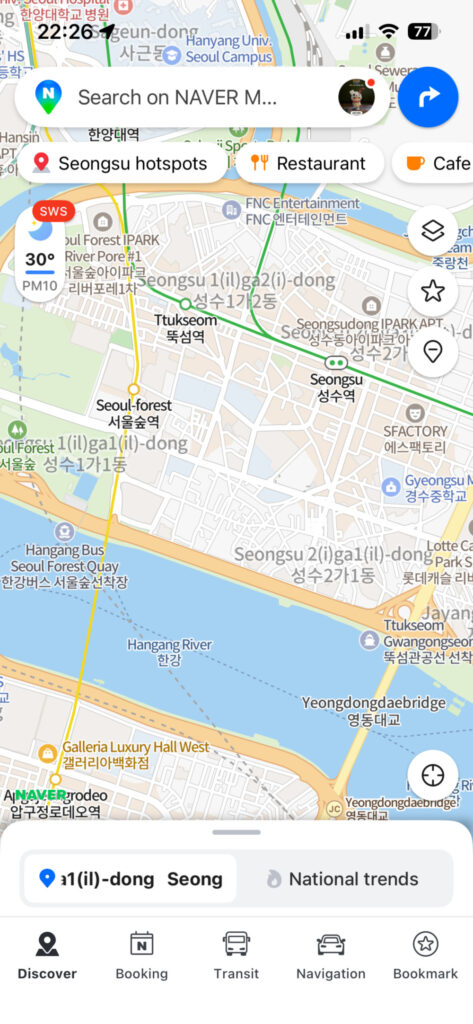
Route 3: Seongsu and Seoul Forest
Seoul Forest → Seongsu cafés → Korean dinner
Recommended foods:
- Korean BBQ
- Korean fried chicken
- Bingsu or café desserts
Seongsu is best when you leave enough time for cafés and shopping rather than scheduling several large meals.
Route 4: Hongdae and Yeonnam
Yeonnam walk → Hongdae shopping → casual evening food
Recommended foods:
- Gimbap
- Tteokbokki
- Korean fried chicken
- Bingsu
This route works well for travelers who prefer casual food, shopping, music, and a lively evening atmosphere.
Route 5: Jamsil and Seokchon Lake
Lotte World or Lotte World Tower → Seokchon Lake → Korean dinner
Recommended foods:
- Naengmyeon
- Korean BBQ
- Bulgogi
- Bingsu
Choose a lighter meal if you plan to spend the day at Lotte World, or finish with a larger Korean dinner after sightseeing.
FAQ
What Korean food should I try first in Seoul?
Bibimbap, bulgogi, and Korean BBQ are good first choices. Bibimbap is easy to order alone, bulgogi is mild and familiar, and Korean BBQ provides a memorable shared dining experience.
Is all Korean food spicy?
No. Many Korean foods are mild, including bulgogi, seolleongtang, kalguksu, steamed mandu, classic gimbap, and grilled meat. Spicy sauces can also be served separately with some dishes.
What is the easiest Korean food for a solo traveler?
Bibimbap, gimbap, kalguksu, seolleongtang, mandu, and naengmyeon are easy individual meals. Korean BBQ, bossam, and large fried chicken orders may require more planning.
Where should first-time visitors try Korean street food?
Gwangjang Market is popular for bindaetteok, gimbap, dumplings, and other market foods. Namdaemun Market is useful for kalguksu, mandu, hotteok, and local-style food alleys. Choose the market that best fits your sightseeing route.
Do I need restaurant reservations in Seoul?
Many casual restaurants do not require reservations. However, popular Korean BBQ restaurants, premium dining experiences, and viral restaurants may have queues or reservation systems. Check recent information before visiting.
Can vegetarians or travelers with dietary restrictions eat Korean food easily?
Some dishes can be adjusted, but vegetable-based meals may still contain meat, seafood broth, fish sauce, egg, or other animal ingredients. Travelers with strict dietary restrictions should confirm ingredients directly with the restaurant.
Should I use Google Maps or Naver Map to find restaurants in Seoul?
Naver Map is usually more useful for checking Korean restaurant locations, recent local reviews, operating hours, menu photos, and branches. Confirm important details before traveling across the city.
How This Guide Was Checked
This guide was researched and edited by H. Jung, the Korea-based editor of Seoul Plate. The food selections were chosen to give first-time visitors a practical introduction to different Korean flavors, meal styles, and dining experiences rather than simply listing the most famous dishes. Dish descriptions and ordering guidance were reviewed against current Korean food and restaurant information, while recipes and preparation styles may vary by restaurant.
Final Thoughts
Trying Korean food in Seoul is not about completing the longest possible checklist.
A better first trip includes a mix of experiences:
Try Korean BBQ for a shared dinner, bibimbap or kalguksu for an easy individual meal, tteokbokki or bindaetteok at a traditional market, and bingsu during a café break.
Choose meals that fit naturally into your sightseeing route rather than traveling across the city for every famous restaurant.
If you dislike spicy food, begin with bulgogi, seolleongtang, gimbap, mandu, or grilled meat. If you enjoy bold flavors, add tteokbokki, kimchi jjigae, and spicy noodles.
Most importantly, start slowly, check portion sizes, add sauces gradually, and do not worry about trying everything in one visit.
Seoul has far more food than any traveler can experience in a few days. That is a good reason to return.