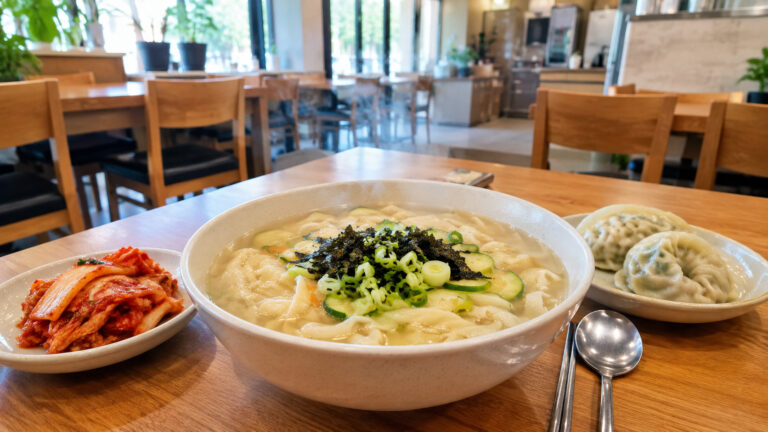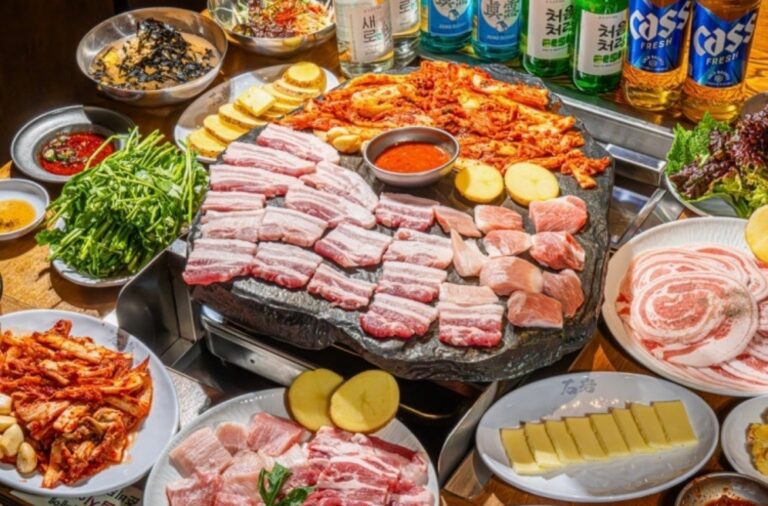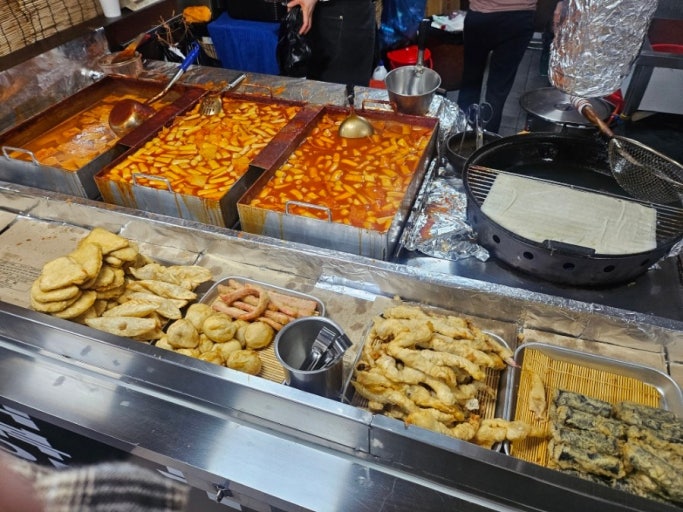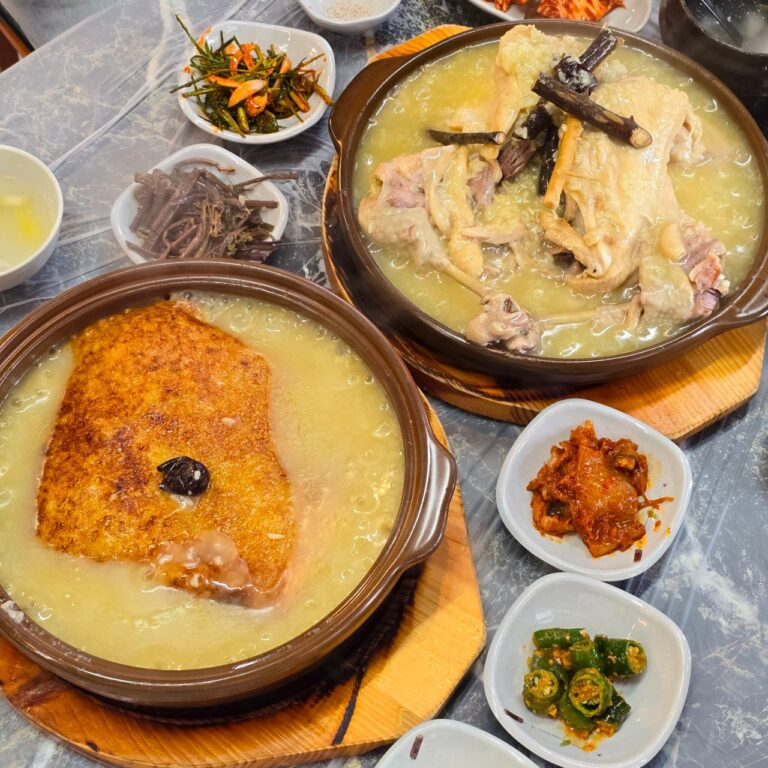
Solo Dining in Seoul: 10 Best Restaurants for First-Time Visitors
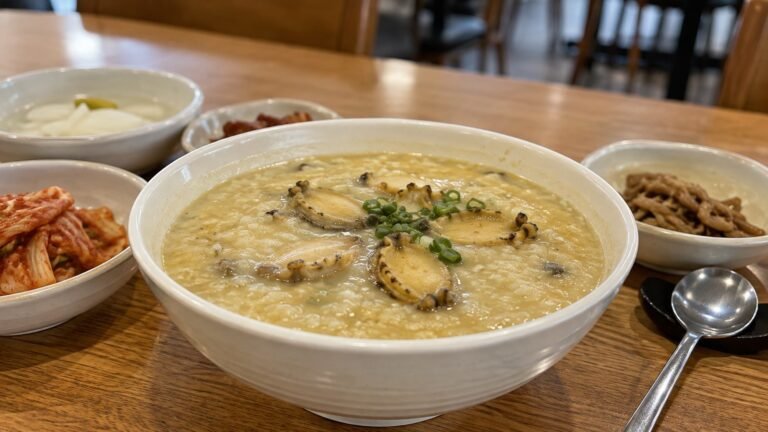
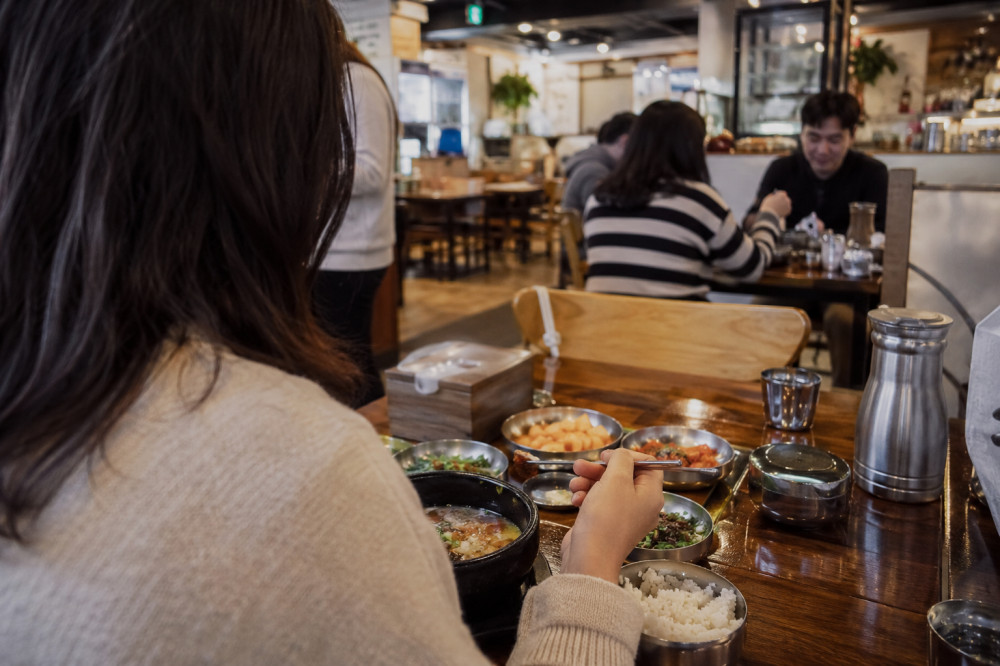
Solo dining in Seoul is much easier than many first-time visitors expect. Eating alone is common at noodle shops, soup restaurants, gimbap shops, lunch counters, and many casual restaurants across the city.
The harder part is choosing the right restaurant. Some Korean meals are naturally served for one person, while Korean BBQ, hot pot, large stews, and sharing platters may still be designed around two or more diners.
This guide focuses on actual restaurants that make sense for solo travelers, not just foods that are theoretically easy to eat alone. The list includes individual-grill Korean BBQ, one-person shabu-shabu, bibimbap, sundubu jjigae, gimbap, traditional noodles, steak, gomtang, and one of Seoul’s best-known summer noodle dishes.
You will also find practical advice on what to order, which neighborhoods fit each restaurant, and how to check solo-dining information before you go.
Table of Contents
Best Solo Dining Restaurants in Seoul at a Glance
| Restaurant | Area | Best For | What to Order |
|---|---|---|---|
| Hongojib Myeongdong | Myeongdong | Korean BBQ for one | Individual mixed grill |
| Eondeok | Hongdae | One-person shabu-shabu | Beef shabu-shabu |
| Sikmulwon Gimbap | Seocho | A high-quality solo takeaway meal | Myeongran Gyeran Gimbap |
| Mokmyeoksanbang | Namsan / Myeongdong | Bibimbap and a traditional setting | Sanbang Bibimbap |
| Bukchangdong Sundubu | City Hall | Korean stew and rice | Bukchangdong Sundubu |
| Yurim Myeon | City Hall | Traditional buckwheat noodles | Memil Guksu |
| Macho Steak | Sinsa | A substantial solo meat meal | Steak |
| Myeongdong Kyoja | Myeongdong | Easy first Korean noodle meal | Kalguksu |
| Hadongkwan | Myeongdong | Gomtang and an early meal | Gomtang |
| Jinju Hoegwan | City Hall | Summer solo dining | Kongguksu |
Restaurant menus, opening hours, break times, and operating policies can change. Check the latest listing on NAVER Map shortly before visiting.
If you are new to navigating in Korea, our guide to using NAVER Map explains how to search Korean restaurant names, check recent information, and find the correct branch.
Is Solo Dining in Seoul Easy?
For most casual meals, yes.
The easiest restaurants are usually places where each customer orders one complete bowl, plate, or set. Bibimbap, gimbap, kalguksu, gomtang, sundubu jjigae, naengmyeon, and many rice dishes fit naturally into this style of dining.
Problems are more likely when the restaurant is built around a shared grill or a large communal pot.
That is why the restaurants below were chosen for different reasons. Some are specifically designed around one-person dining, while others serve individual dishes in settings where eating alone is already a natural part of the restaurant experience.
10 Best Solo Dining Restaurants in Seoul
1. Hongojib Myeongdong — Best for Solo Korean BBQ
Search on NAVER Map: 혼고집 명동직영점
Best for: Travelers who want to try Korean BBQ without needing a group
What to order: An individual mixed grill or your preferred meat set
Area: Myeongdong / Euljiro 1-ga
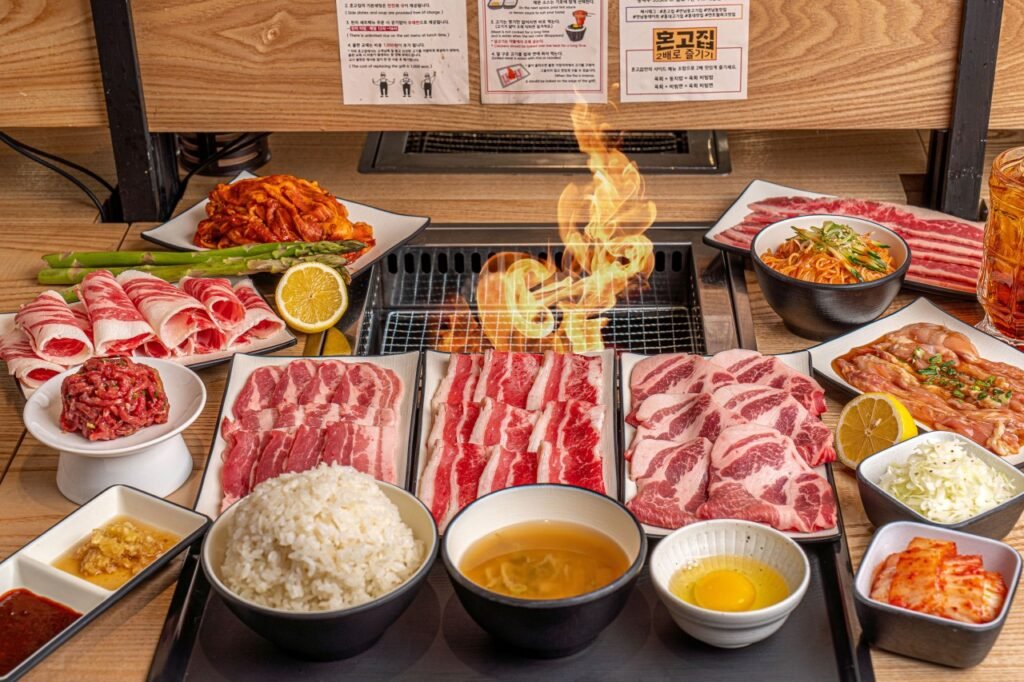
Korean BBQ is one of the meals solo travelers most often worry about in Seoul, which is exactly why Hongojib deserves the first spot in this guide.
Instead of placing one diner at a large group grill, Hongojib is built around individual grilling. You can sit at your own space, order meat for yourself, and cook it on a personal grill without wondering whether the restaurant expects a second customer.
That makes it fundamentally different from a regular Korean BBQ restaurant that merely happens to accept one person.
For a first visit, choose a mixed set if you want to compare several cuts, or keep things simple with a familiar pork option such as samgyeopsal.
The location is another advantage. It is easy to combine with Myeongdong shopping, Myeongdong Cathedral, Euljiro, or an evening around central Seoul.
If you will be eating Korean BBQ with other people during your trip as well, compare more options in our guide to Korean BBQ near Myeongdong Station.
2. Eondeok — Best for One-Person Shabu-Shabu in Hongdae
Search on NAVER Map: 언덕
Best for: Solo travelers who want hot pot without a two-person minimum
What to order: One-person beef shabu-shabu
Area: Hongdae
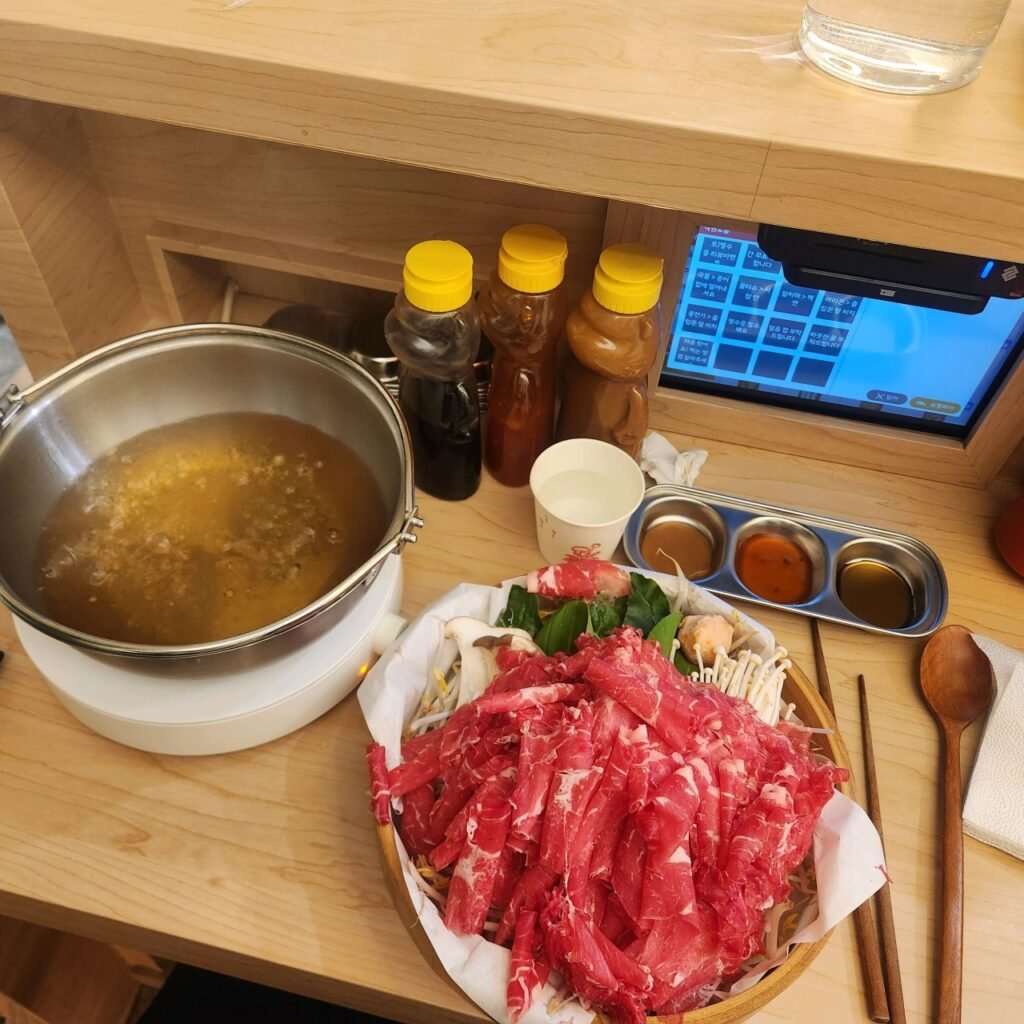
Shabu-shabu normally sounds like another meal that would be awkward to order alone, but Eondeok solves that problem by designing the meal around individual diners.
Each person has a separate pot and cooking setup, so you can control the broth, cook your own beef and vegetables, and add noodles or other extras at your own pace.
The ordering system also suits solo dining well. Instead of repeatedly calling staff over for additional items, the restaurant uses individual ordering at the seat.
This makes Eondeok one of the strongest restaurants in the entire guide if your priority is comfort rather than simply being allowed to enter alone.
It also gives Hongdae a useful option beyond the area’s cafés, casual rice bowls, ramen shops, and fried food.
Choose Eondeok when you want a warm, substantial dinner around Hongdae but do not want to fall back on another simple one-bowl meal.
3. Sikmulwon Gimbap Seocho — Best for a Solo Gimbap Takeaway
Search on NAVER Map: 식물원김밥 서초본점
Best for: Travelers who want gimbap that feels like the destination rather than a backup meal
What to order: Myeongran Gyeran Gimbap
Area: Seocho
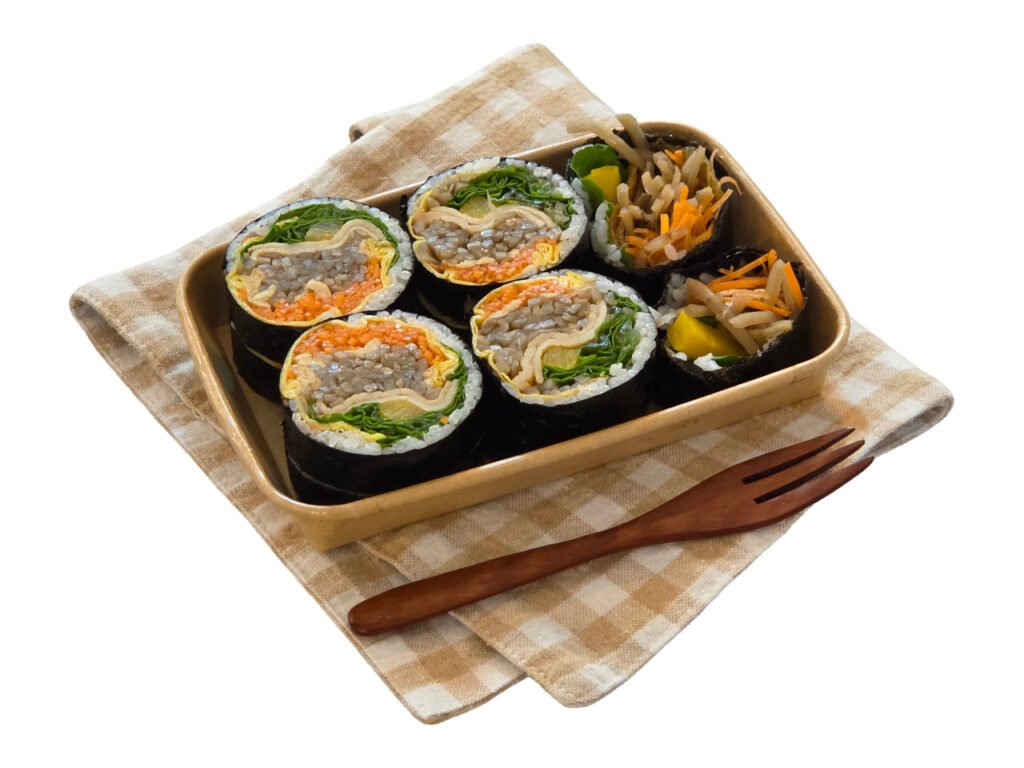
Gimbap is already one of Korea’s easiest foods to eat alone, but Sikmulwon Gimbap earns its place because it offers something more interesting than a generic convenience meal.
The rolls are known for generous fillings and combinations such as egg, pollack roe, avocado, vegetables, and other ingredients that make a single roll substantial enough to function as a complete meal.
The Myeongran Gyeran Gimbap is a good starting point if you want to see why the restaurant became well known. The combination of soft egg and salty pollack roe is much richer than the simple ham-and-vegetable gimbap many travelers try first.
This is not the cheapest way to eat gimbap in Seoul, and that is not really the point.
Choose Sikmulwon Gimbap when you specifically want to try a more modern, ingredient-focused version of one of Korea’s most familiar everyday foods. The Seocho main branch is primarily a takeaway shop rather than a sit-down restaurant, so it works best as an easy meal to take back to your hotel or carry to your next stop.
If you want to compare Sikmulwon with more traditional and specialty rolls, see our guide to the best gimbap in Seoul.
4. Mokmyeoksanbang — Best for Solo Bibimbap Near Namsan
Search on NAVER Map: 목멱산방
Best for: Namsan sightseeing and a traditional Korean meal
What to order: Sanbang Bibimbap
Area: Myeongdong / Namsan
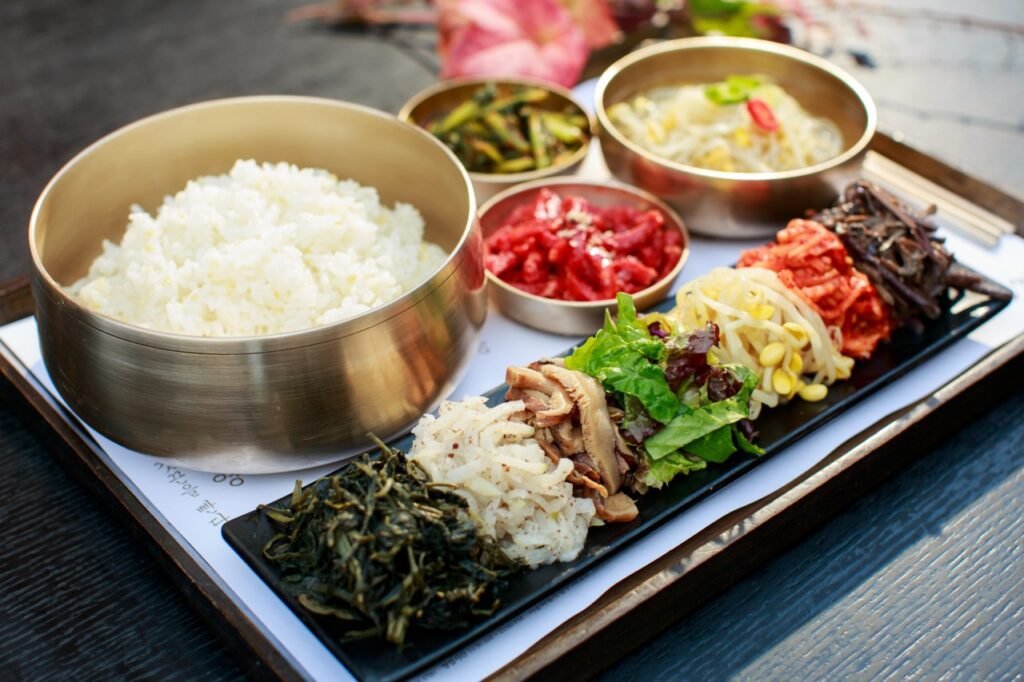
Mokmyeoksanbang is one of the easiest restaurants to recommend when you want your solo meal to feel connected to a sightseeing day rather than simply convenient.
The restaurant sits on the Namsan side of Myeongdong and specializes in individual Korean dishes, with bibimbap being the clearest choice for a first visit.
Start with the Sanbang Bibimbap if you want the most straightforward introduction. Other variations allow you to choose according to whether you prefer cooked beef, soy-sauce seasoning, or different vegetables.
Bibimbap works especially well for solo diners because the meal arrives as a complete individual bowl. You do not need to negotiate portion sizes or order a large side dish simply to fill the table.
The location also gives Mokmyeoksanbang a completely different character from the restaurants in central Myeongdong.
A simple route is:
Myeongdong → Mokmyeoksanbang → Namsan Park → N Seoul Tower
The walk climbs toward Namsan, so allow more time than the distance on the map may suggest, especially during hot or humid weather.
For more bibimbap styles around Seoul, see our guide to the best bibimbap restaurants in Seoul.
5. Bukchangdong Sundubu Main Branch — Best for a Korean Stew and Rice Meal
Search on NAVER Map: 북창동순두부 본점
Best for: A comforting Korean meal near City Hall and Deoksugung
What to order: Bukchangdong Sundubu
Area: City Hall / Bukchang-dong
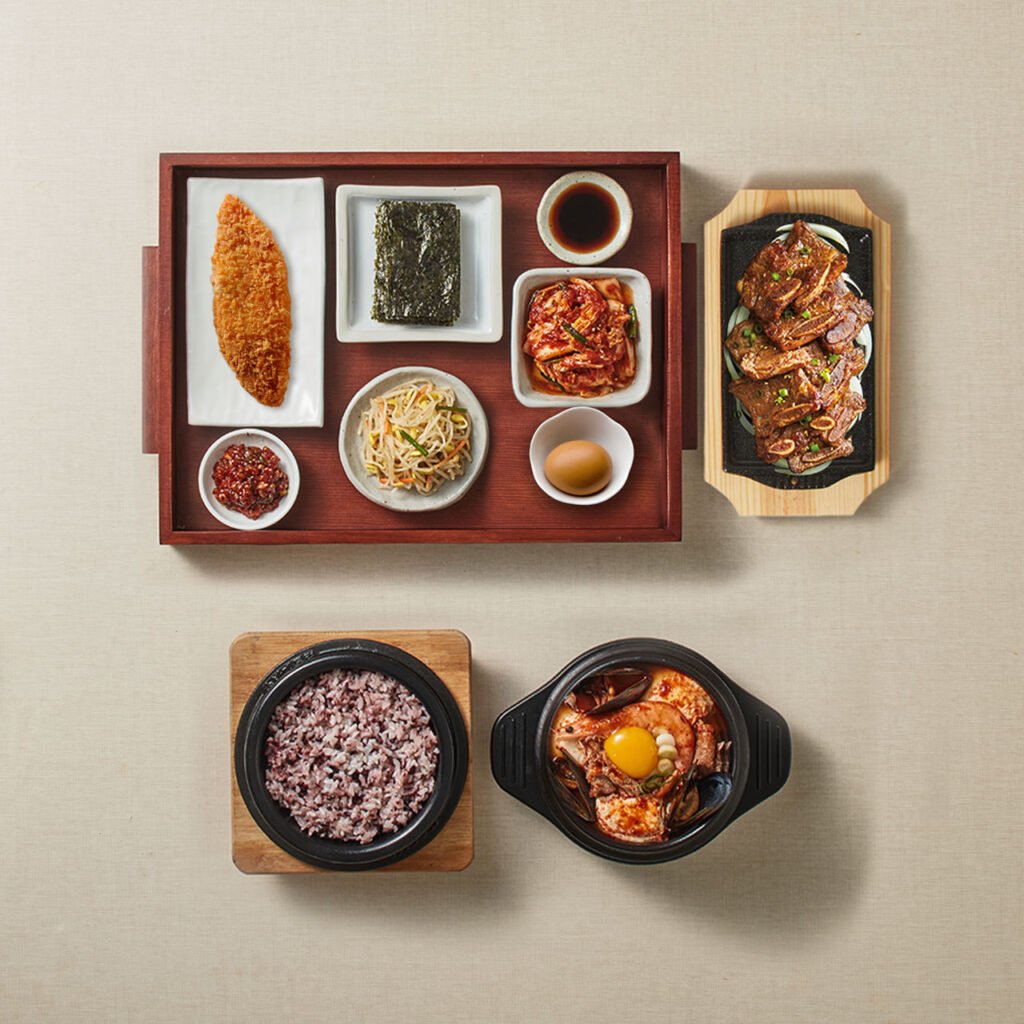
Bukchangdong Sundubu is a useful choice when you want the feeling of a full Korean meal without ordering several shared dishes.
Choose one sundubu jjigae, and the meal comes together around the bubbling tofu stew, rice, and accompanying side dishes.
That makes it very different from restaurants serving large pots of stew intended for the entire table.
The original-style Bukchangdong Sundubu is the simplest first order. Other versions may add seafood, meat, ham, cheese, or different toppings, but there is no need to complicate the meal if this is your first Korean soft-tofu stew.
The City Hall location works particularly well with Deoksugung Palace, Seoul Plaza, Jeong-dong, or Namdaemun.
Weekday lunch is a busy time in this office district, so a solo traveler who wants a calmer meal may prefer to avoid the main office lunch rush.
6. Yurim Myeon — Best for Traditional Noodles Near City Hall
Search on NAVER Map: 유림면
Best for: A quick traditional noodle meal near Deoksugung
What to order: Memil Guksu
Area: City Hall
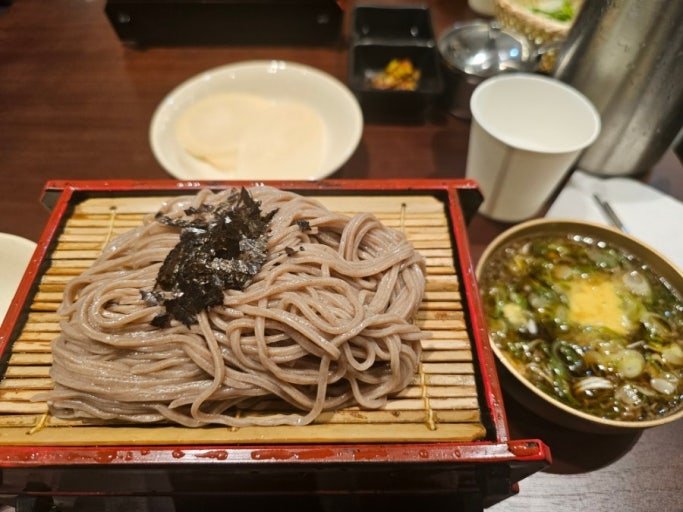
Yurim Myeon is the kind of restaurant that demonstrates why noodle specialists work so well for solo dining in Seoul.
You choose an individual noodle dish, eat, and move on. There is no need for a shared starter, large table order, or complicated cooking process.
For a first visit, start with Memil Guksu if you want the restaurant’s classic cold buckwheat noodle experience. Bibim memil is the stronger choice if you prefer a more heavily seasoned and spicy version.
Yurim Myeon also provides a useful contrast with Myeongdong Kyoja later in this guide.
Both are long-running noodle restaurants in central Seoul, but the meal is completely different: Yurim Myeon focuses on buckwheat noodles, while Myeongdong Kyoja is built around soft wheat noodles in a rich hot broth.
The location near City Hall makes Yurim Myeon particularly easy to combine with Deoksugung Palace and the surrounding historic district.
7. Macho Steak Main Branch — Best for a Solo Steak Meal
Search on NAVER Map: 마초스테이크 본점
Best for: Travelers who want meat but do not specifically need Korean BBQ
What to order: Steak with rice or your preferred sides
Area: Sinsa / Garosu-gil
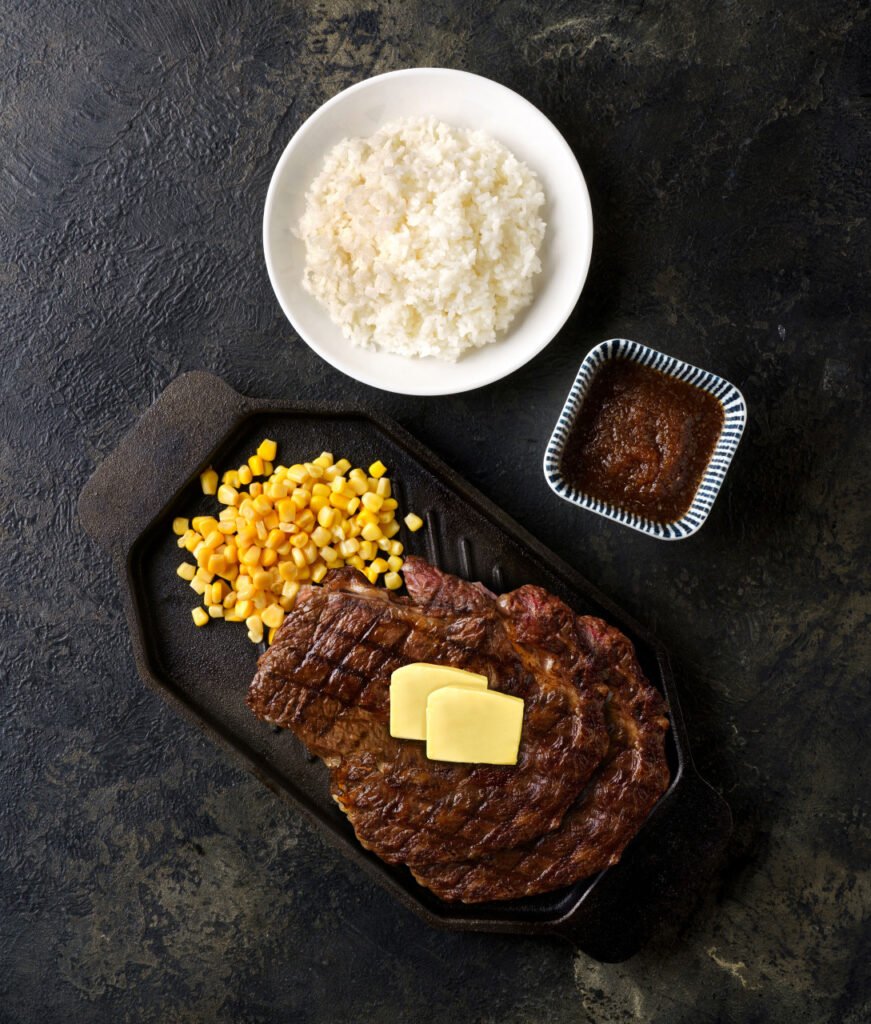
Macho Steak is deliberately different from most of the restaurants in this guide.
It is not here because steak is a traditional Korean food. It is here because solo dining in Seoul is about more than eating Korean dishes at every meal, and the restaurant offers bar seating that makes ordering a substantial meat-focused meal alone feel natural.
That makes it a useful alternative when you want beef but do not want to cook at a Korean BBQ grill.
Choose the steak that fits your appetite, add rice or another side if needed, and treat it as a complete individual dinner.
The restaurant also helps diversify the geography of this list. Most famous traditional restaurants are concentrated around Myeongdong, Jongno, and City Hall, while Macho Steak gives travelers spending time around Sinsa and Garosu-gil a practical solo option.
Choose it for the dining format and the meat-focused meal rather than because you are trying to complete a Korean-food checklist.
8. Myeongdong Kyoja — Best Easy First Solo Meal in Myeongdong
Search on NAVER Map: 명동교자 본점
Best for: First-time visitors who want a famous Seoul restaurant that is easy to use alone
What to order: Kalguksu
Area: Myeongdong
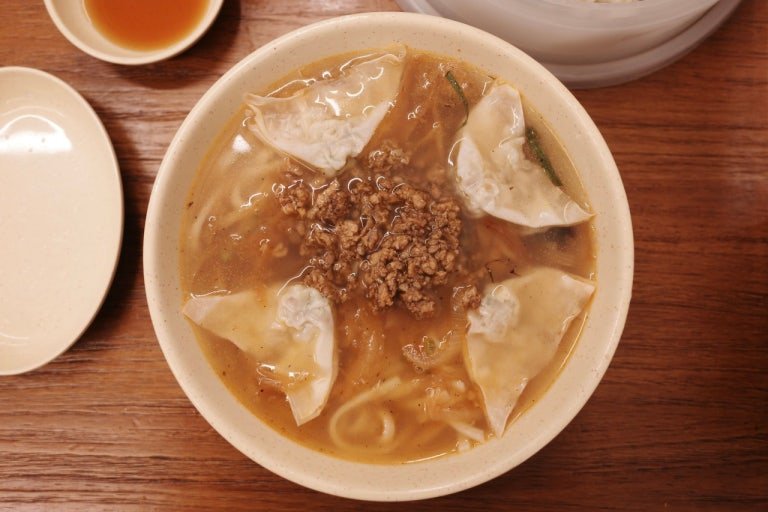
Myeongdong Kyoja may be famous, busy, and crowded, but its dining format is surprisingly well suited to eating alone.
The menu is compact, service is fast, and the main dishes are ordered as individual bowls. Solo visitors do not need to build a complicated table order or decide how many portions of meat to buy.
For a first visit, order the Kalguksu.
The noodles are soft and served in a rich, savory broth that is noticeably heavier than many clear Korean noodle soups. The kimchi served alongside it is intensely garlicky and can feel much stronger than the soup itself.
Mandu is another signature dish, but one solo traveler does not necessarily need both. Start with the noodles and add dumplings only if your appetite allows.
Lines can look intimidating, but table turnover is generally faster than at restaurants where people grill meat or share several dishes.
If you want to compare this bowl with other styles around the city, see our guide to the best kalguksu in Seoul.
9. Hadongkwan Myeongdong — Best for an Early Gomtang Meal
Search on NAVER Map: 하동관 명동본점
Best for: Breakfast, early lunch, and travelers who want a classic beef soup
What to order: Gomtang
Area: Myeongdong
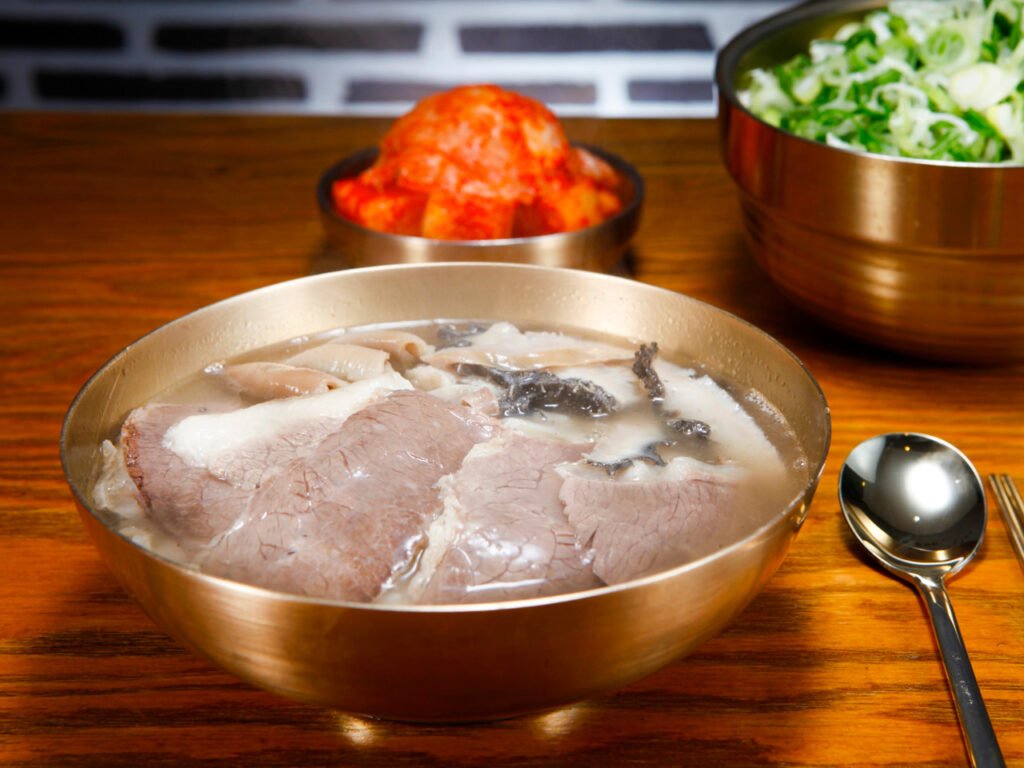
Hadongkwan is one of the simplest meals on this list.
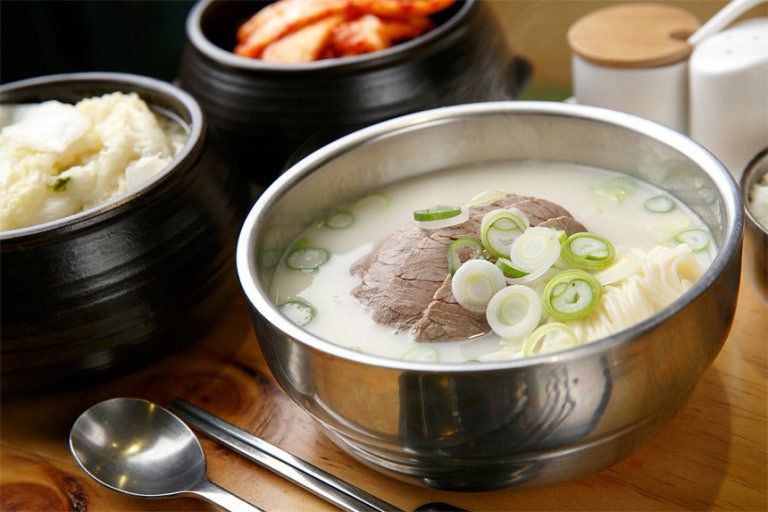
The specialty is gomtang, a clear beef soup served as a complete individual meal. There is no grill, no large communal pot, and no reason to order several side dishes.
That makes it naturally comfortable for solo diners.
The experience is also very different from Bukchangdong Sundubu. Sundubu jjigae is bubbling, spicy, and tofu-centered, while Hadongkwan’s gomtang is lighter in appearance and focused on beef and broth.
Another important difference is timing.
Hadongkwan is much more useful for an early meal than a late dinner, so it can fit especially well into a morning or lunchtime Myeongdong itinerary.
If you are staying nearby and want more restaurants that open earlier than the typical Seoul lunch schedule, see our guide to Korean breakfast in Seoul.
10. Jinju Hoegwan — Best Summer Solo Meal Near City Hall
Search on NAVER Map: 진주회관
Best for: Hot summer days and travelers who want to try kongguksu
What to order: Kongguksu
Area: City Hall / Seosomun
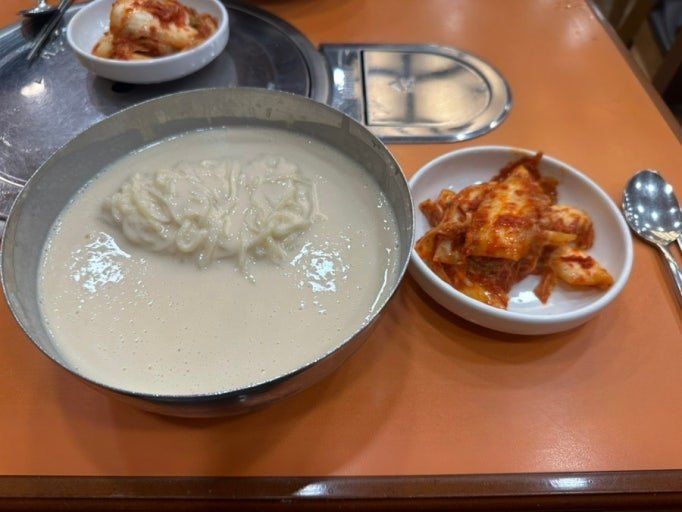
Jinju Hoegwan earns its place for one very specific reason: kongguksu.
The dish combines noodles with a very thick, cold soybean broth and is one of the most distinctive Korean meals to try during warm weather.
It also happens to work well for solo dining. One bowl is a complete meal, ordering is straightforward, and the restaurant has fast turnover compared with places built around shared dishes.
The tradeoff is popularity.
During the hottest part of summer, queues can become substantial, and the restaurant may focus heavily on kongguksu during busy meal periods. This is therefore not the place to choose simply because you need the fastest possible lunch near City Hall.
Choose Jinju Hoegwan when trying its famous kongguksu is itself part of the plan.
If you are visiting outside the main kongguksu season, check the current menu before going rather than assuming the same dining experience is available year-round.
Which Solo Dining Restaurant Should You Choose?
If this is your first solo trip to Seoul, the easiest way to choose is to match the restaurant with the experience you would otherwise have difficulty having alone.
Choose Hongojib if Korean BBQ is high on your Korea food list.
Choose Eondeok if you want a full hot-pot-style meal designed for one person.
Choose Mokmyeoksanbang for bibimbap during a Myeongdong and Namsan sightseeing day.
Choose Sikmulwon Gimbap if you specifically want to explore modern Korean gimbap rather than treating it as a cheap backup meal.
Choose Bukchangdong Sundubu for a hot Korean stew, or Hadongkwan for a milder beef soup.
Choose Yurim Myeon for buckwheat noodles, Myeongdong Kyoja for a famous hot noodle bowl, and Jinju Hoegwan when summer kongguksu is the priority.
Choose Macho Steak when the solo dining format matters more than eating a traditional Korean dish at every meal.
What Foods Can Still Be Difficult to Eat Alone in Seoul?
Korean BBQ
Many Korean BBQ restaurants still use group tables and require multiple portions of meat.
Do not assume that every restaurant will seat one diner simply because the menu lists a price per portion.
Hongojib is included in this guide precisely because it removes much of that uncertainty.
Large Stews and Hot Pots
Dakhanmari, gamjatang, jeongol, budaejjigae, and other large-pot dishes may be designed for two or more people.
Some restaurants offer individual versions, but check the menu before entering.
Jokbal, Bossam, and Large Sharing Plates
These dishes are commonly sold in medium or large portions intended for several diners.
Small portions and one-person sets do exist, but they are not universal.
The useful distinction is simple:
A restaurant accepting one person does not automatically mean its menu is practical for one person.
How to Order When Eating Alone in Seoul
You do not need much Korean to handle most solo meals.
“One person, please.”
한 명이요.
Han myeong-iyo.
“Can I eat here alone?”
혼자 먹어도 괜찮아요?
Honja meogeodo gwenchanayo?
“Can I order one portion?”
1인분 가능해요?
Il-in bun ganeunghaeyo?
At restaurants with kiosks or tablets, check whether an English-language option is available before using a translation app.
If the restaurant has a printed Korean menu, taking a screenshot and using image translation can also make ordering much easier.
For a complete walkthrough of Korean menus, kiosks, payment, and restaurant etiquette, see our guide to ordering food in Korea.
How to Find More Solo-Friendly Restaurants on NAVER Map
Even with a prepared list, you will eventually need a restaurant near your hotel, attraction, or subway station.
Useful Korean search terms include:
- 혼밥 — eating alone
- 1인 — one person
- 1인분 — one portion
- 1인 가능 — one person allowed
- 1인 샤브샤브 — one-person shabu-shabu
- 혼고기 — eating grilled meat alone
- 바 테이블 — bar or counter seating
Search recent reviews rather than relying only on an old English-language blog post.
Restaurant policies can change, and different branches of the same brand may have different seating layouts, minimum orders, or opening hours.
Save the Korean restaurant name before leaving your hotel so you can find the correct branch more easily.
FAQ
Is solo dining common in Seoul?
Yes. Eating alone is common at many casual restaurants, particularly noodle shops, soup restaurants, gimbap shops, rice-bowl restaurants, food courts, and lunch-focused restaurants.
Shared-meal restaurants can still be more complicated.
Can I eat Korean BBQ alone in Seoul?
Yes, but choose the restaurant carefully.
Some regular Korean BBQ restaurants require multiple portions or are uncomfortable for one diner during peak hours. Hongojib is one of the clearest choices because the restaurant is specifically set up around individual grilling.
What is the easiest Korean food to eat alone?
Bibimbap, gimbap, kalguksu, gomtang, sundubu jjigae, naengmyeon, kongguksu, and other individual bowls are generally among the easiest options.
Is Myeongdong good for solo dining?
Yes.
Myeongdong is particularly convenient because it combines tourist infrastructure with many restaurants serving individual meals. In this guide alone, Hongojib, Myeongdong Kyoja, Hadongkwan, and nearby Mokmyeoksanbang offer very different solo dining experiences.
Can a restaurant refuse a solo diner?
Yes.
This is most likely at restaurants built around Korean BBQ, large shared stews, hot pots, or group drinking dishes. Sometimes the issue is a minimum order rather than a strict ban on solo customers.
Check before sitting down if the menu appears designed mainly for groups.
Do I need reservations for these restaurants?
Usually not for the casual restaurants in this guide, but queues can occur at famous places and during peak lunch or dinner periods.
Restaurant systems and policies change, so check recent information before making a special trip.
Final Thoughts
Eating alone in Seoul does not mean limiting yourself to convenience stores, cafés, and quick snacks.
The best solo dining experiences are the ones where the restaurant format matches the meal.
Hongojib makes Korean BBQ realistic for one person. Eondeok does the same for shabu-shabu. Mokmyeoksanbang, Bukchangdong Sundubu, Yurim Myeon, Myeongdong Kyoja, Hadongkwan, and Jinju Hoegwan show how naturally many Korean dishes already work as individual meals.
And restaurants such as Sikmulwon Gimbap and Macho Steak are reminders that a good solo meal does not need to fit one narrow definition of traditional Korean dining.
Choose according to the neighborhood already on your itinerary, check the latest restaurant information before leaving, and do not worry about looking unusual simply because you are eating alone.
How This Guide Was Checked
This guide was researched and reviewed by H. Jung, the Korea-based editor of Seoul Plate.
Restaurants were evaluated specifically for solo travelers, including individual menu availability, seating and ordering format, location, ease of ordering, and whether the restaurant offers a meaningful experience beyond simply allowing one customer to enter.
Current restaurant information, Korean map listings, official restaurant information where available, and recent local dining sources were reviewed during the August 2026 update.
Menus, prices, opening hours, break times, queue systems, and solo-dining policies can change. Check the latest NAVER Map listing before making a special trip.
Last checked: August 2026