Best Korean Breakfast in Seoul: 7 Early-Opening Local Restaurants
Finding the best Korean breakfast in Seoul can be surprisingly confusing for first-time visitors.
Many cafés and regular restaurants do not open until later in the morning, while hotel breakfast buffets can be expensive and may not feel like the local food experience you came to Korea for.
Fortunately, some long-running Korean restaurants begin serving much earlier.
You can start the day with seolleongtang, clear beef gomtang, dried pollack soup, traditional haejangguk, Korean rice porridge, or a simple baekban meal with rice and side dishes.
But a Korean breakfast does not always have to be a sit-down meal.
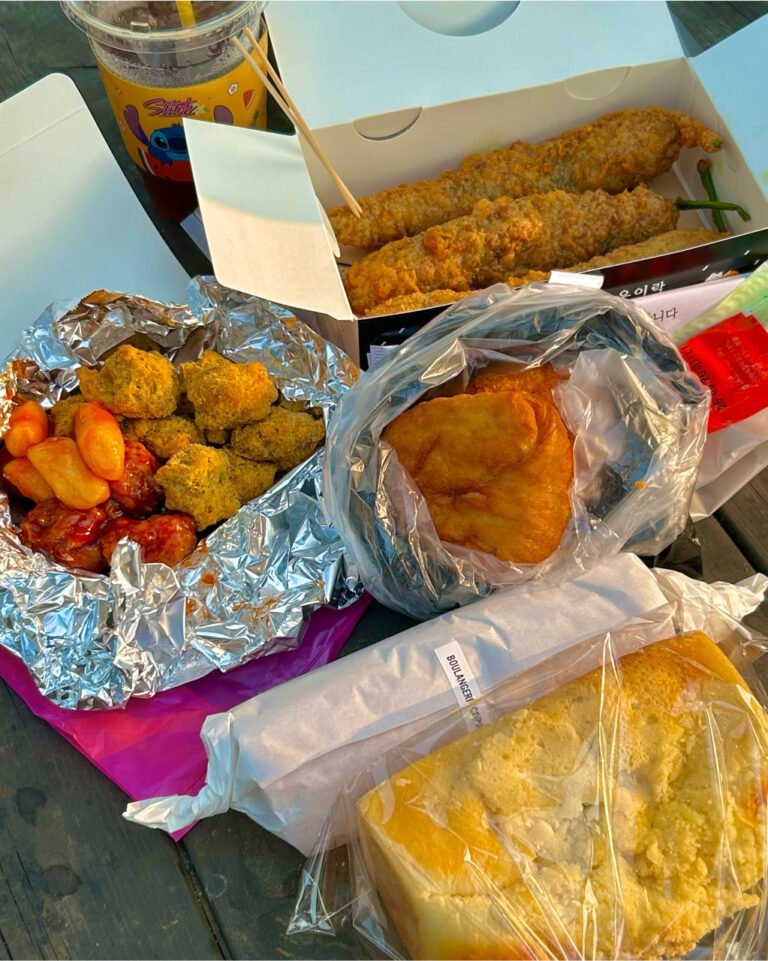
On busy mornings, Koreans also turn to gimbap, toast, sandwiches, bakery food, and convenience-store meals. These faster options can be particularly useful for travelers catching an early KTX train, joining a morning tour, moving hotels, or trying to reach a popular attraction around opening time.
This guide covers seven early-opening Korean breakfast restaurants in Seoul, what to order at each one, and which choice works best for different travelers. You will also find practical grab-and-go alternatives for mornings when your itinerary matters more than having a full restaurant meal.
Opening hours, closing days, holiday schedules, and menu availability can change. Check the latest listing on NAVER Map before making a special early-morning trip.
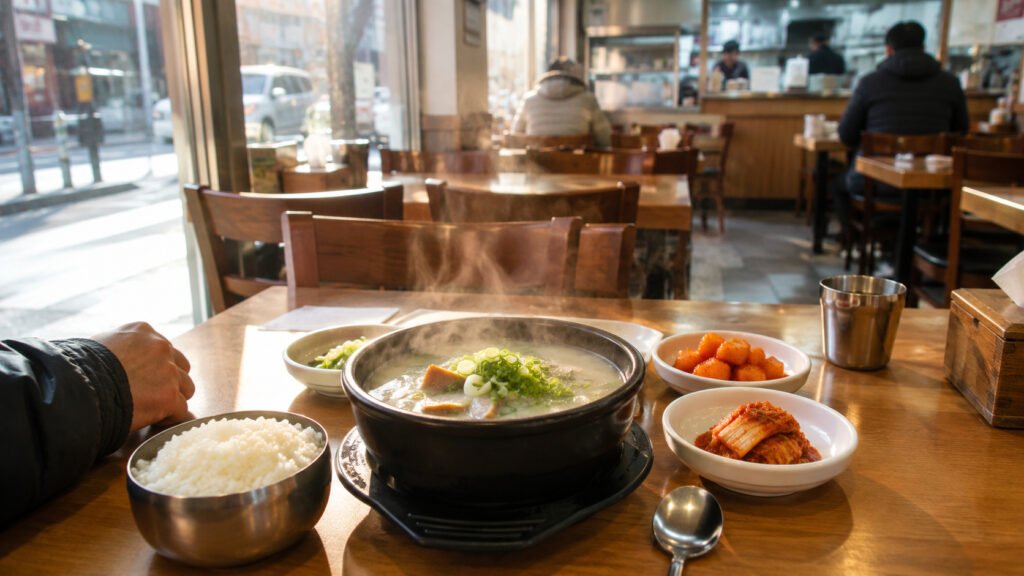
Table of Contents
What Do Koreans Eat for Breakfast?
There is no single dish that defines a Korean breakfast.
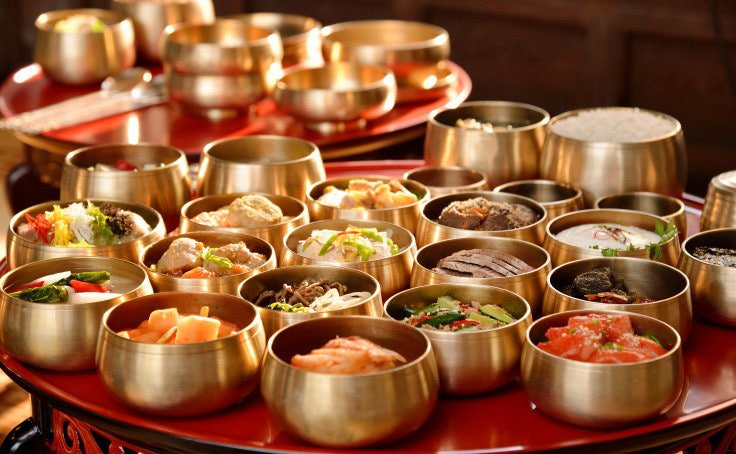
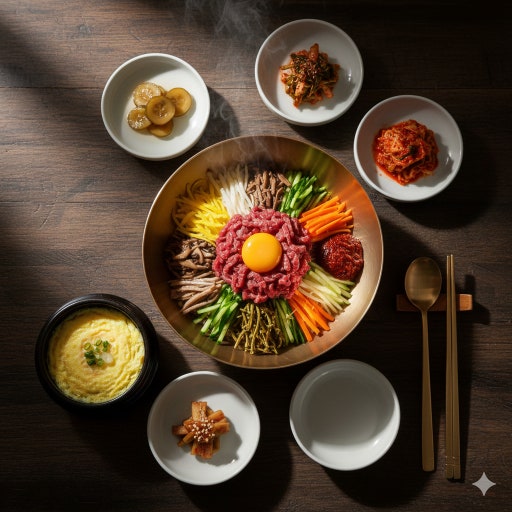
A traditional meal at home may include rice, soup or stew, kimchi, eggs, grilled fish, and several small side dishes. However, that does not mean everyone in Seoul sits down to a full traditional meal every morning.
Breakfast outside the home can be much simpler.
Some common choices include:
- Seolleongtang: Mild beef soup with a cloudy broth
- Gomtang: Clearer beef soup, often served with rice in the bowl
- Bugeo-guk: Mild soup made with dried pollack
- Haejangguk: A filling soup that can contain beef, vegetables, offal, or seonji depending on the restaurant
- Juk: Soft Korean rice porridge
- Baekban: Rice served with soup or stew and several side dishes
- Gimbap: Rice and fillings rolled in dried seaweed
- Korean-style toast: Toasted bread filled with egg, vegetables, and other ingredients
- Sandwiches and bakery food: A practical choice on busy mornings
This variety is useful for travelers.
Choose soup when you want something warm and filling, porridge when your stomach needs a gentler start, baekban when you want a more complete Korean-style meal, or gimbap and toast when you need to keep moving.
Many traditional Korean breakfast dishes are also milder than first-time visitors expect. If spicy food is a concern, see our guide to the best non-spicy Korean restaurants in Seoul for more beginner-friendly options.
7 Korean Breakfast Restaurants at a Glance
| Restaurant | Area | Listed Opening Time | What to Order | Best For |
|---|---|---|---|---|
| Miseongok | Myeongdong | 6:00 a.m. | Seolleongtang | Early Myeongdong breakfast |
| Hadongkwan | Myeongdong | 7:00 a.m. | Gomtang | Historic Seoul dining |
| Mugyo-dong Bugeo-guk | City Hall | 7:00 a.m. | Dried pollack soup | Easiest first experience |
| Cheongjinok | Jongno | 6:00 a.m. | Haejangguk | Adventurous eaters |
| Imun Seolnongtang | Jongno / Insadong | 8:00 a.m. | Seolleongtang | History and traditional atmosphere |
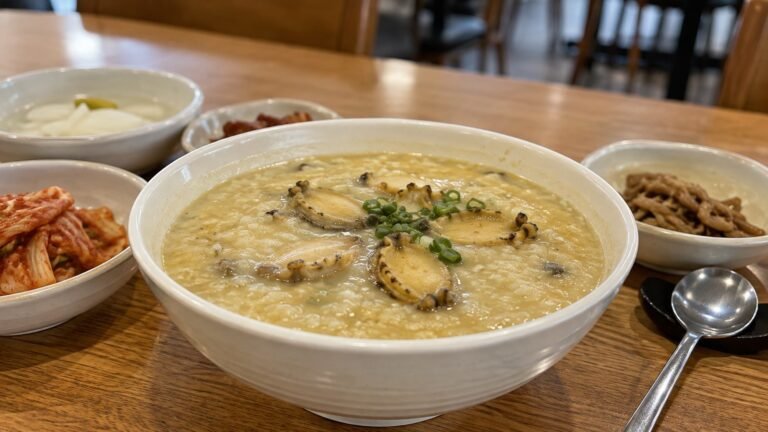
| Songjuk | Chungmuro | 7:00 a.m. | Abalone porridge | Gentle breakfast |
| Seungwoo-ne Sikdang | Gwangjang Market | 7:00 a.m. | Ugeoji baekban | Homestyle Korean meal |
Important: These are listed opening times, not guaranteed hours for every travel date. Regular closing days, public holidays, and temporary schedule changes can affect morning service, so check NAVER Map before visiting.
7 Best Korean Breakfast Restaurants in Seoul
1. Miseongok — Early Seolleongtang in Myeongdong
Area: Myeongdong
Best for: An early, simple Korean breakfast
What to order: Regular seolleongtang
Listed opening: 6:00 a.m.
Typical spice level: Mild
Search on NAVER Map: 미성옥
Nearby: Myeongdong, Namdaemun Market, Namsan
Why It Stands Out
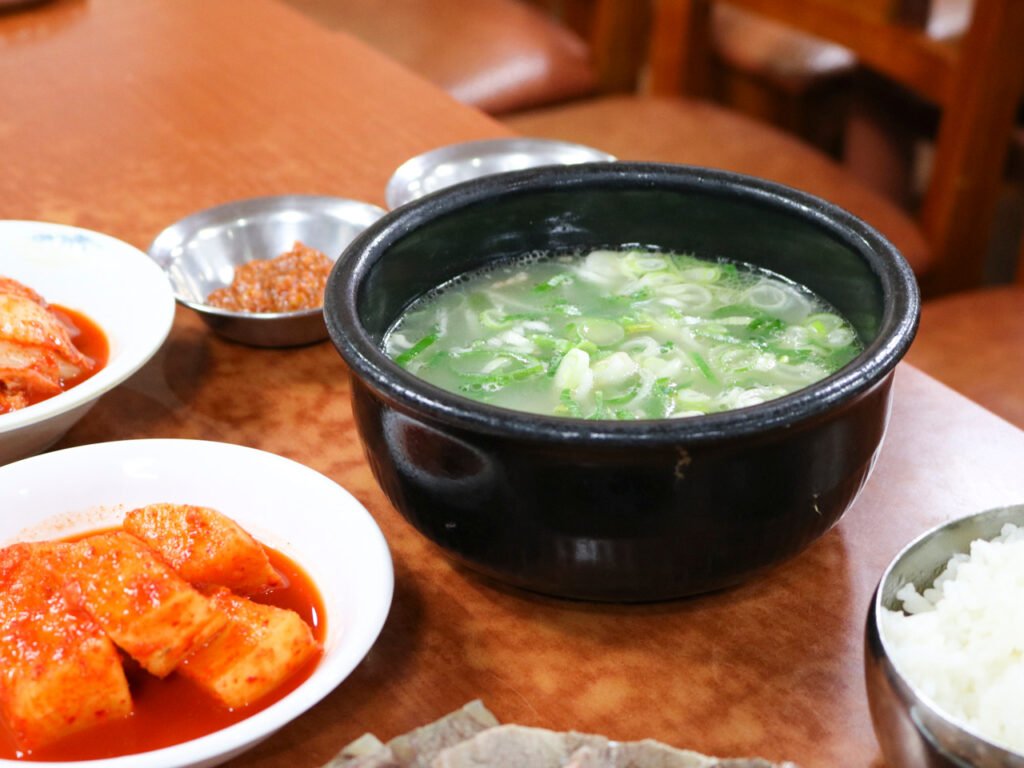
Miseongok is one of the easiest breakfast recommendations for travelers staying around Myeongdong because it starts serving much earlier than most cafés and regular restaurants in the neighborhood.
The menu is focused, with seolleongtang as the obvious first choice.
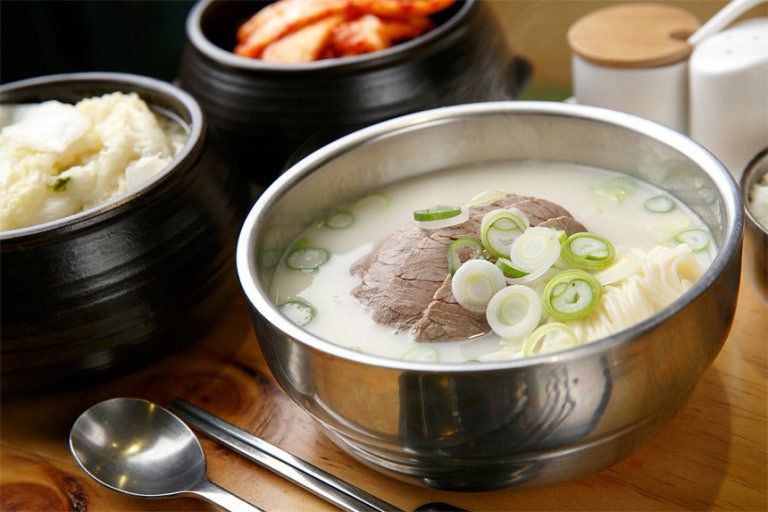
Seolleongtang is a Korean beef soup with a pale, cloudy broth, sliced meat, and rice. The soup itself is mild rather than spicy, making it particularly approachable for travelers who do not want an aggressive flavor first thing in the morning.
One thing that can surprise first-time visitors is how lightly seasoned the broth initially tastes.
That is intentional.
Salt and pepper are usually available at the table so you can adjust the flavor yourself, while kimchi and kkakdugi provide a stronger contrast.
What First-Time Visitors Should Know
Order the regular seolleongtang unless you specifically want additional meat.
Taste the broth before adding salt. It is easy to add more seasoning, but impossible to remove it once the soup becomes too salty.
The soup itself is mild, but the kimchi and kkakdugi served alongside it can be spicy.
Because Miseongok opens around 6:00 a.m., it is particularly useful before an early sightseeing day or when jet lag has you awake long before most of Myeongdong is active.
If you plan to continue toward Namdaemun afterward, our Namdaemun Market food guide can help you decide what to save for later in the day.
2. Hadongkwan — Historic Seoul-Style Gomtang in Myeongdong
Area: Myeongdong
Best for: A classic Seoul restaurant experience
What to order: Regular gomtang
Listed opening: 7:00 a.m.
Typical spice level: Mild
Search on NAVER Map: 하동관 명동본점
Nearby: Myeongdong, Euljiro, Namdaemun Market
Why It Stands Out
Hadongkwan is another excellent Myeongdong breakfast, but it offers a noticeably different bowl from Miseongok.
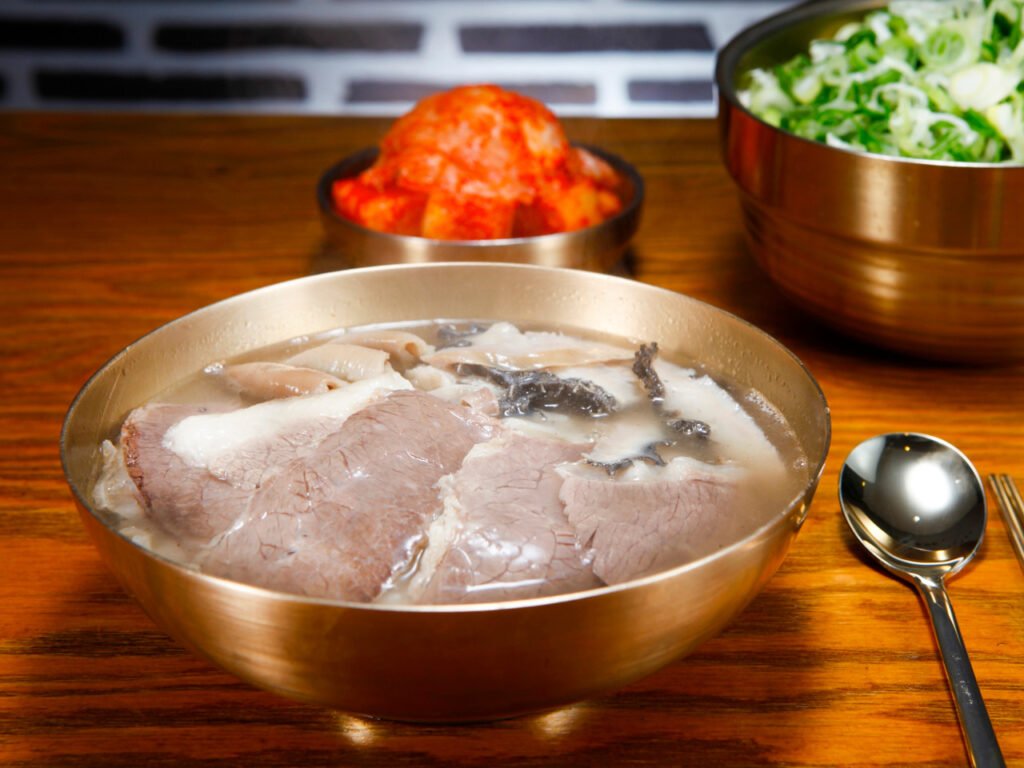
Its specialty is gomtang.
Gomtang generally has a clearer beef broth than seolleongtang, with rice and sliced beef served together in the bowl. Chopped green onions add freshness without making the meal spicy.
Hadongkwan is also one of Seoul’s best-known long-running restaurants, so this is a useful choice when you want the restaurant itself to be part of the experience rather than simply somewhere convenient to eat before sightseeing.
What First-Time Visitors Should Know
The regular gomtang is the safest first order.
More expensive versions can contain additional cuts of beef or ingredients that may be less familiar, so there is no need to automatically choose the highest-priced bowl.
Service can feel quicker and more direct than at a tourist-oriented restaurant. Many customers come in, eat one focused meal, and continue with their day.
The Myeongdong main branch usually finishes service relatively early compared with standard lunch-and-dinner restaurants, so it makes much more sense as breakfast or lunch than as a late-day backup.
3. Mugyo-dong Bugeo-guk — The Easiest First Korean Breakfast Near City Hall
Area: City Hall / Euljiro
Best for: First-time visitors who want simple ordering
What to order: Bugeo-guk, or dried pollack soup
Listed opening: 7:00 a.m.
Typical spice level: Mild
Search on NAVER Map: 무교동북어국집
Nearby: Seoul City Hall, Deoksugung Palace, Cheonggyecheon
Why It Stands Out
If you want one restaurant from this guide that is particularly easy for a first Korean breakfast, Mugyo-dong Bugeo-guk is difficult to beat.
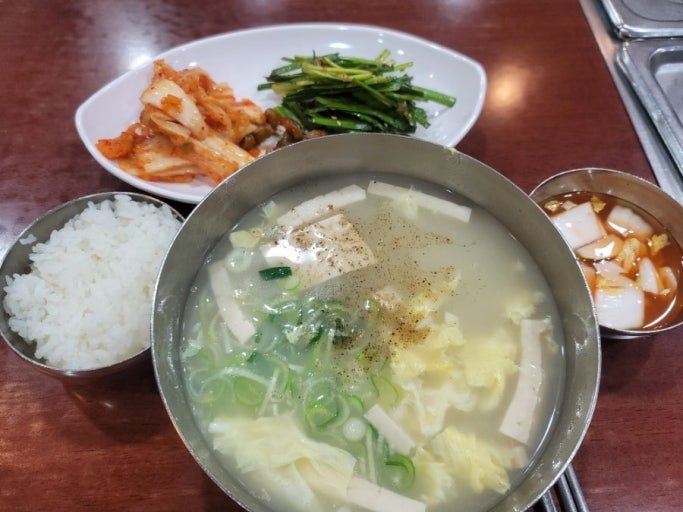
The restaurant is centered around one main dish: dried pollack soup.
That makes it especially easy for first-time visitors who may otherwise feel unsure when faced with a large unfamiliar menu.
The soup combines dried pollack with a mild broth and simple ingredients such as tofu and egg.
It is warm and filling but generally feels lighter than a rich beef-bone soup.
What First-Time Visitors Should Know
Do not confuse “mild” with vegetarian.
Bugeo is dried pollack, so the dish contains fish, and the broth may contain other animal-based ingredients.
This is therefore not suitable for travelers with fish allergies or anyone following a strict vegetarian diet.
The restaurant is popular with nearby office workers, so breakfast is often a better time to visit than the main lunch period.
Its City Hall location is another major advantage. After breakfast, you can easily continue toward Deoksugung Palace, Seoul Plaza, Cheonggyecheon Stream, or Gwanghwamun.
This type of single-bowl restaurant is also particularly convenient when eating alone. See our solo dining in Seoul guide for more restaurants that work well for one person.
4. Cheongjinok — Traditional Haejangguk for Adventurous Eaters
Area: Jongno / Gwanghwamun
Best for: A stronger, more traditional Korean breakfast
What to order: Haejangguk
Listed opening: 6:00 a.m.
Typical spice level: Mild to medium depending on seasoning
Search on NAVER Map: 청진옥
Nearby: Gwanghwamun, Jongno, Gyeongbokgung Palace
Why It Stands Out
Cheongjinok offers the most adventurous breakfast in this guide.
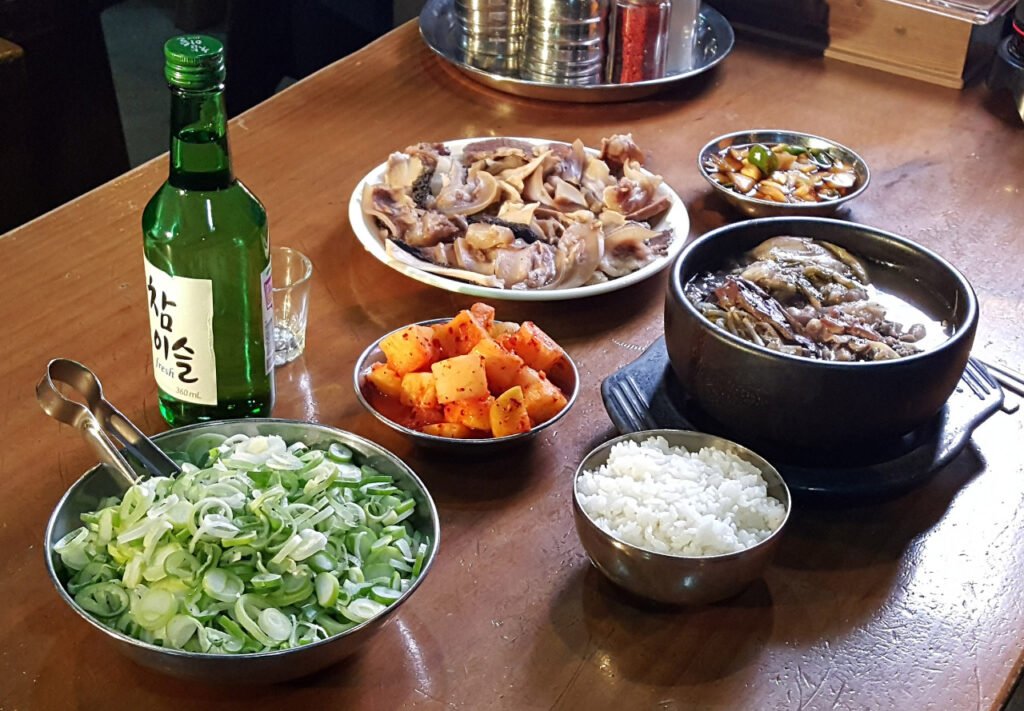
Its specialty is haejangguk, commonly translated as “hangover soup.”
Despite the name, Koreans do not eat haejangguk only after drinking. It is also a substantial meal in its own right and can be especially satisfying on a cold morning.
Travelers should, however, understand what they are ordering.
Haejangguk recipes vary by restaurant, and traditional versions can include ingredients such as beef offal and seonji, or coagulated blood.
These ingredients are completely normal in Korean food, but they are not something every first-time visitor wants unexpectedly at breakfast.
What First-Time Visitors Should Know
Choose Cheongjinok because you specifically want to try traditional haejangguk.
Do not choose it simply because it happens to open early.
If offal or seonji does not appeal to you, Mugyo-dong Bugeo-guk, Miseongok, or Songjuk will be much easier starting points.
Its central Jongno location works well before Gwanghwamun Square, Gyeongbokgung Palace, Jogyesa Temple, or a morning walk through central Seoul.
5. Imun Seolnongtang — A Historic Breakfast Near Insadong
Area: Jongno / Insadong
Best for: History and traditional Seoul atmosphere
What to order: Seolleongtang
Listed opening: 8:00 a.m.
Typical spice level: Mild
Search on NAVER Map: 이문설농탕
Nearby: Insadong, Jogyesa Temple, Ikseondong, Changdeokgung Palace
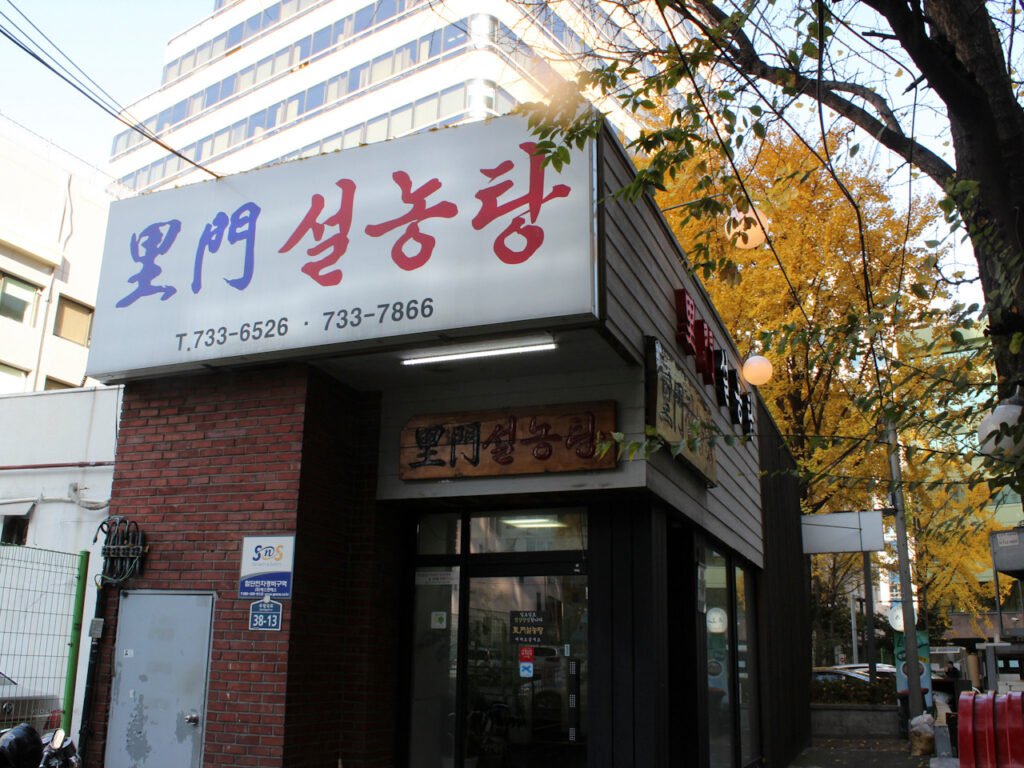
Why It Stands Out
Imun Seolnongtang opens later than several restaurants in this guide, but 8:00 a.m. is still early enough for many sightseeing itineraries.
Its biggest reason for inclusion is its history.
It is widely recognized as one of Seoul’s oldest surviving restaurants and remains closely associated with traditional seolleongtang.
That history gives Imun Seolnongtang a different reason to visit from Miseongok even though both specialize in the same general style of beef soup.
The soup itself is mild and comforting, with seasoning left largely to the diner.
What First-Time Visitors Should Know
This is a better choice for an 8:00 a.m. sightseeing breakfast than for an extremely early departure.
Order the standard seolleongtang for a first visit.
As with other seolleongtang restaurants, taste the broth before adding salt and remember that the side kimchi can be considerably spicier than the soup itself.
The location is particularly useful for a morning around Jogyesa Temple, Insadong, Ikseondong, Changdeokgung Palace, or Gyeongbokgung Palace.
6. Songjuk — Korean Rice Porridge Near Chungmuro
Area: Chungmuro / Myeongdong
Best for: Jet lag, a sensitive stomach, or a gentler breakfast
What to order: Abalone porridge
Listed opening: 7:00 a.m.
Typical spice level: Mild
Search on NAVER Map: 송죽
Nearby: Chungmuro, Myeongdong, Namsangol Hanok Village
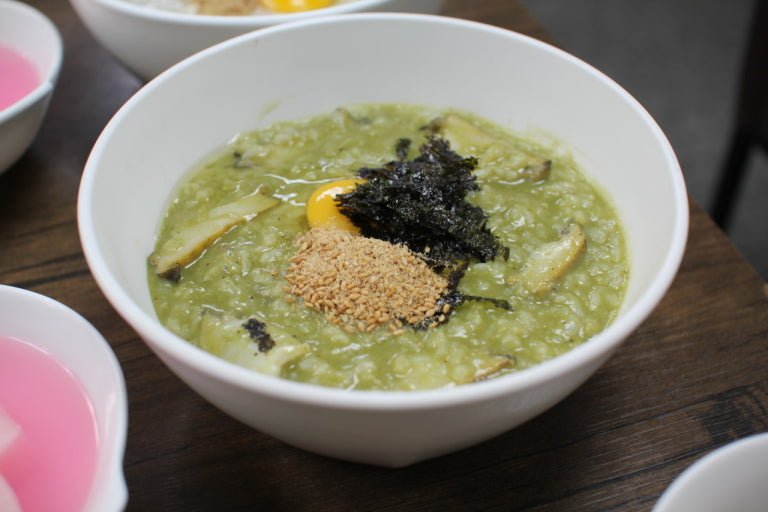
Why It Stands Out
Not every traveler wants a bowl of beef soup first thing in the morning.
Juk, or Korean rice porridge, is a useful alternative when you want something warm, filling, and relatively gentle.
Songjuk specializes in porridge and offers several versions rather than treating juk as a small side item on a larger menu.
Abalone porridge is one of the most recognizable choices for visitors, while other porridge options may suit travelers looking for something different.
The soft texture also makes juk appealing after a long flight, during jet lag, or on a morning when your stomach is not ready for a heavier meal.
What First-Time Visitors Should Know
Do not assume porridge is automatically the cheapest breakfast on this list.
Seafood and premium ingredients can make some bowls noticeably more expensive than a basic soup breakfast.
Travelers with shellfish or seafood allergies should also check ingredients carefully.
Even a porridge that looks simple may contain seafood or seafood-based seasoning.
If juk sounds like your kind of breakfast, our dedicated guide to the best Korean porridge in Seoul compares more porridge restaurants and what to order at each one.
7. Seungwoo-ne Sikdang — Homestyle Baekban Near Gwangjang Market
Area: Jongno 5-ga / Gwangjang Market
Best for: Rice, stew, and side dishes in a local setting
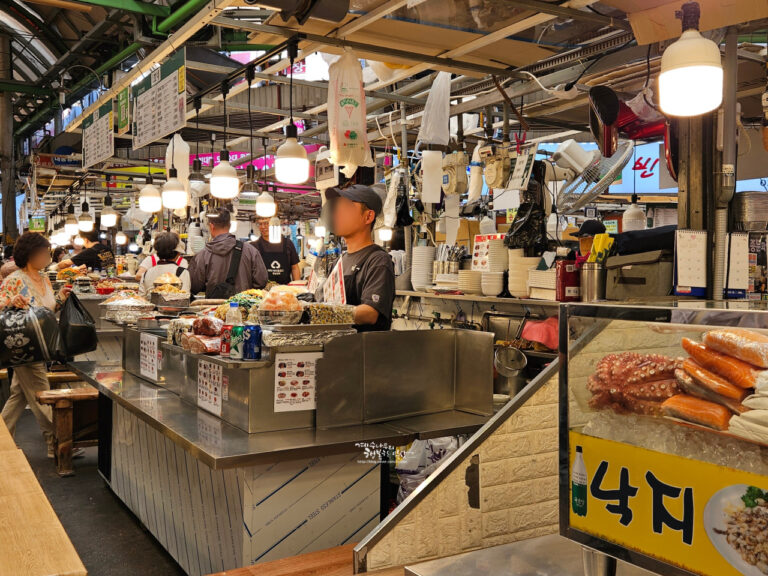
What to order: Ugeoji baekban
Listed opening: 7:00 a.m. on operating days
Typical spice level: Mild to medium depending on the dish
Search on NAVER Map: 승우네식당
Nearby: Gwangjang Market, Jongno 5-ga, Cheonggyecheon
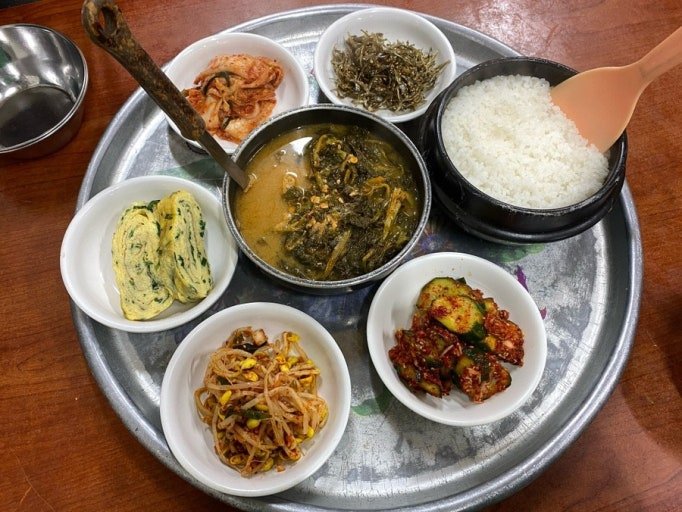
Why It Stands Out
Seungwoo-ne Sikdang is important to this list because it gives you something completely different from another specialty soup.
A baekban meal is built around rice with soup or stew and several side dishes.
Available choices can include meals such as ugeoji baekban, sundubu baekban, and cheonggukjang baekban.
Ugeoji refers to leafy greens commonly cooked into a comforting soup or stew.
Cheonggukjang is fermented soybean stew with a much stronger aroma and flavor. It can be an interesting Korean food experience, but it is better chosen deliberately rather than as a blind first order.
What First-Time Visitors Should Know
For the easiest introduction, start with ugeoji baekban.
This kind of meal gives you rice, soup or stew, and several banchan at once, so it feels closer to a complete home-style Korean meal than the single-dish soup restaurants above.
The restaurant is small and local in character. Do not expect the polished environment or large English menu you might find in a tourist-focused restaurant.
Its location near Gwangjang Market makes it convenient to start here before the market becomes much busier.
Breakfast and the market food experience serve different purposes, so you do not need to eat everything at once. Our Gwangjang Market food guide explains what foods are worth returning for later in the day.
How to Choose the Right Korean Breakfast
Choosing the best Korean breakfast in Seoul depends more on your schedule, location, and appetite than on finding the most famous restaurant.
Choose the breakfast that fits your morning.
For the easiest first Korean breakfast: Mugyo-dong Bugeo-guk offers simple ordering and a mild soup in a convenient central location.
For an early start in Myeongdong: Miseongok is the most practical choice.
For restaurant history: Choose Hadongkwan for gomtang or Imun Seolnongtang for seolleongtang.
For something gentle: Songjuk is the best fit when porridge sounds better than a rich meat soup.
For rice and side dishes: Seungwoo-ne Sikdang gives you a more complete baekban-style meal.
For a more adventurous traditional breakfast: Cheongjinok is the standout, provided you are comfortable with ingredients such as offal and seonji.
And if you have an early train, tour, or airport transfer, do not force a sit-down restaurant into the schedule. A portable breakfast can be the better choice.
Need a Faster Breakfast? Grab-and-Go Options in Seoul
A traditional restaurant breakfast is worth trying, but it does not make sense for every morning of your trip.
Travelers may need to leave early for a KTX train, tour meeting point, airport transfer, hotel change, or a popular attraction they want to reach soon after opening.
In those situations, gimbap, toast, a bakery sandwich, or convenience-store food can be far more practical.
Gimbap
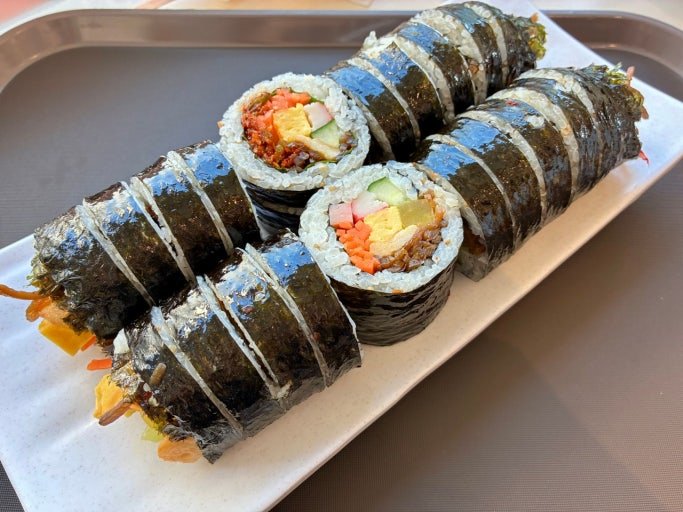
Gimbap is one of Korea’s most useful portable meals.
Rice and various fillings are rolled in dried seaweed and sliced into bite-sized pieces.
Common fillings can include egg, vegetables, tuna, beef, ham, cheese, or kimchi.
Because ingredients vary, do not assume every gimbap is non-spicy or suitable for a particular diet.
A simple vegetable or tuna gimbap is often an easy choice when you need breakfast to take away.
If gimbap sounds like the right breakfast for your schedule, see our guide to the best gimbap in Seoul for eight different styles and shops.
Korean-Style Toast

Korean-style toast is another practical morning food.
A typical version uses toasted bread with an egg-and-cabbage filling and may include ham, cheese, ketchup, sauce, or slightly sweet seasoning.
It is not a traditional rice-based Korean breakfast, but it reflects another very normal way to start a busy morning in Seoul.
Opening hours vary by shop, so it is usually better to search near your hotel than to cross the city for one particular toast restaurant.
Bakery Sandwiches and Bread
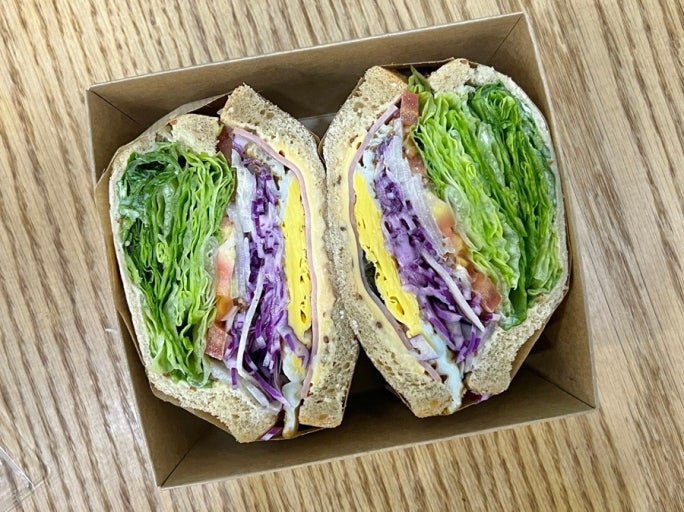
Sometimes convenience should win.
Large bakery chains and neighborhood bakeries are easy to find around Seoul and commonly sell sandwiches, bread, pastries, coffee, milk, and other simple breakfast foods.
This can be particularly useful when traveling with children or with someone who wants familiar food before trying more adventurous Korean dishes later in the day.
Convenience Store Breakfast
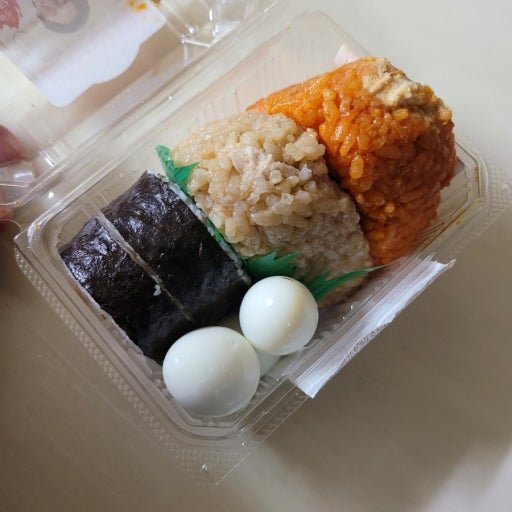
Korean convenience stores are one of the most reliable backup options when you have to leave before nearby restaurants open.
Easy breakfast choices include:
- Triangle gimbap
- Packaged gimbap
- Sandwiches
- Boiled eggs
- Yogurt
- Milk
- Coffee or tea
- Fruit when available
You can also buy the night before if you already know you have an unusually early departure.
One small etiquette point: portable does not necessarily mean it is ideal to eat on a crowded subway.
For stronger-smelling foods such as gimbap, eating before boarding or after reaching your destination is usually the more considerate choice.
How to Order Breakfast at a Local Korean Restaurant
Traditional Korean breakfast restaurants are usually easier to use than their Korean-only signs or menus may initially suggest.
1. Search the Korean Restaurant Name
Use the Korean search name listed under each restaurant in this guide.
English spellings can vary between map services and travel websites, while the Korean name is generally much more reliable.
If you are unfamiliar with local navigation, our guide to using NAVER Map in Korea explains how to search places, check opening hours, and plan public transportation routes.
2. Check the Hours Again Before You Leave
This matters more for breakfast than it does for many lunch restaurants.
A change from 7:00 to 8:00 a.m. can completely disrupt an early itinerary.
Check:
- Opening time
- Regular closing day
- Holiday notices
- Temporary closures
- Break times
- Whether you found the correct branch
Do not assume every branch of a famous restaurant follows the same schedule.
3. Start With the Standard Menu
At a specialist restaurant, the basic dish is usually the easiest first order.
More expensive versions may contain extra meat, offal, cartilage, seafood, or other ingredients you did not intend to order.
Choose the standard version unless you understand what the upgrade includes.
4. Pointing at the Menu Is Fine
You do not need perfect Korean to eat at a local breakfast restaurant.
Showing the item on your phone, pointing directly at the menu, or using a translation app is completely practical.
5. Remember That Some Soups Are Seasoned at the Table
This is especially important with seolleongtang.
If the broth tastes unusually mild at first, do not immediately assume something is wrong.
Taste it, then add salt, pepper, or green onions gradually.
Useful Korean Breakfast Phrases
| Korean | Pronunciation | Meaning |
|---|---|---|
| 이거 하나 주세요 | Igeo hana juseyo | One of this, please |
| 안 매운 거 추천해 주세요 | An maeun geo chucheonhae juseyo | Please recommend something non-spicy |
| 내장 들어가요? | Naejang deureogayo? | Does it contain offal? |
| 포장돼요? | Pojang dwaeyo? | Can I get it to go? |
| 계산할게요 | Gyesanhalgeyo | I would like to pay |
If restaurant menus, kiosks, and payment systems are still unfamiliar, our guide to ordering food in Korea covers the full process for first-time visitors.
Korean Breakfast Tips and Common Mistakes
Do Not Assume Breakfast Means a Special Breakfast Menu
Many Korean restaurants serving breakfast simply serve their normal specialty dish from early morning.
There may be no separate breakfast set or discounted morning menu.
Do Not Assume Korean Breakfast Is Always Spicy
Some of the easiest Korean breakfast dishes are very mild.
Seolleongtang, gomtang, dried pollack soup, and porridge are all useful options for travelers who do not want chili-heavy food first thing in the morning.
The side kimchi may be much spicier than the main dish.
Check Unfamiliar Ingredients Before Ordering
Some traditional soups contain ingredients that may not be obvious from a short English translation.
Useful words to recognize include:
- 내장 (naejang): Offal
- 선지 (seonji): Coagulated blood
- 도가니 (dogani): Beef knee cartilage
- 머리고기 (meorigogi): Meat from the head
- 수육 (suyuk): Boiled meat slices
If any of these ingredients matter to you, ask before ordering.
Do Not Assume a Clear or White Soup Is Vegetarian
The color of a soup tells you very little about the stock.
A pale broth can still contain beef, fish, shellfish, anchovies, or other animal ingredients.
Even a vegetable porridge may use animal-based stock or seasoning.
Travelers with strict vegetarian, vegan, religious, or allergy-related restrictions should confirm ingredients directly.
Avoid the Main Office Rush When Possible
Restaurants around City Hall, Jongno, Gwanghwamun, and Euljiro serve many local workers.
Arriving earlier can be calmer than visiting closer to the busiest lunch period.
Keep a Backup Near Your Hotel
Do not make an entire morning itinerary depend on one restaurant being open exactly as expected.
A simple backup plan works well:
Primary choice: A restaurant you specifically want to visit
Backup: Nearby gimbap, bakery, or convenience store
This gives you somewhere to eat if holiday hours or temporary changes interfere with your original plan.
Think About Your Next Stop
The best breakfast restaurant is not necessarily the one with the strongest reputation.
If one restaurant requires a long detour while another good option sits beside your first sightseeing stop, the second choice will usually make for a better travel day.
Leave Large Luggage Behind When Possible
Older Korean restaurants can have narrow entrances and closely spaced tables.
If you are eating before a train or changing hotels, storing large luggage first can make a local restaurant much easier to use.
Frequently Asked Questions About Korean Breakfast in Seoul
What Do Koreans Usually Eat for Breakfast?
There is no single standard Korean breakfast.
A traditional meal can include rice, soup or stew, kimchi, eggs, grilled fish, and side dishes. On busy mornings, people may also choose gimbap, toast, sandwiches, bakery food, or convenience-store meals.
Can I Find Korean Breakfast Before 8:00 a.m. in Seoul?
Yes.
Several traditional soup, porridge, and baekban restaurants in central Seoul begin serving around 6:00 or 7:00 a.m.
However, many cafés and regular restaurants open later, so check current operating hours before leaving your hotel.
What Is the Best Korean Breakfast for a First-Time Visitor?
Mugyo-dong Bugeo-guk is one of the easiest all-around choices because the menu is simple and the dried pollack soup is mild.
Miseongok is another good option for seolleongtang in Myeongdong, while Songjuk works well if you prefer porridge.
Is Korean Breakfast Usually Spicy?
No.
Many common breakfast dishes such as seolleongtang, gomtang, dried pollack soup, and porridge are mild.
Kimchi, kkakdugi, spicy stews, and some gimbap fillings can contain much more chili.
What Should I Eat If I Do Not Have Time for a Restaurant Breakfast?
Gimbap, Korean-style toast, bakery sandwiches, and convenience-store food are all practical options.
They are particularly useful before an early train, tour, airport transfer, or tightly scheduled sightseeing day.
Final Thoughts: What Should You Eat for Breakfast in Seoul?
The best Korean breakfast in Seoul depends on the kind of morning you have planned.
Choose Mugyo-dong Bugeo-guk if you want one of the easiest introductions to a local Korean breakfast.
Choose Miseongok for an early bowl of seolleongtang in Myeongdong or Hadongkwan when you want classic gomtang with a stronger sense of Seoul restaurant history.
Choose Songjuk when you want something softer and gentler, or Seungwoo-ne Sikdang when rice, stew, and side dishes sound more appealing than another specialty soup.
Imun Seolnongtang works particularly well with a morning around Jongno or Insadong, while Cheongjinok is the choice for travelers who specifically want traditional haejangguk with more adventurous ingredients.
But you do not need to visit a famous restaurant every morning.
Sometimes a roll of gimbap, Korean toast, a bakery sandwich, or convenience-store breakfast is exactly what your Seoul itinerary needs.
A good approach is to enjoy at least one traditional sit-down Korean breakfast during your trip, then use faster everyday options such as gimbap, toast, or convenience-store food when an early train, tour, or sightseeing plan makes them more practical.
How This Guide Was Checked
This guide was researched and reviewed by H. Jung, the Korea-based editor of Seoul Plate, with a focus on breakfast options that are genuinely useful for first-time visitors.
Restaurant locations, signature dishes, listed early opening times, regular closing days where available, and practical morning use were reviewed using official restaurant information, Seoul tourism resources, Korean map listings, and recent local sources available during the August 2026 update.
The restaurant selection was also reconsidered to avoid filling the guide with too many places serving nearly identical beef soups. Dried pollack soup, haejangguk, porridge, and baekban were included alongside seolleongtang and gomtang to give travelers a more useful range of breakfast choices.
Grab-and-go options were included because a sit-down restaurant is not always practical for travelers with early trains, tours, airport transfers, or tightly scheduled sightseeing days.
Restaurant opening hours, break times, holiday closures, prices, menu items, and ingredients can change. Always check the latest information for the specific restaurant before making a special early-morning trip.