Best Tteokbokki in Seoul for First-Time Visitors
Tteokbokki is one of the Korean foods many travelers recognize before they arrive in Seoul. The familiar version is made with chewy rice cakes in a spicy-sweet red sauce, often with fish cakes, green onions, boiled eggs, or fried snacks on the side.
But tteokbokki in Seoul is much more varied than one red pan of rice cakes.
You can eat a small portion at an old-school bunsik shop, cook jeukseok tteokbokki at your table, try oil-fried rice cakes at Tongin Market, order a large modern franchise version with cheese and noodles, or build your own pan at a tteokbokki buffet.
The best tteokbokki places in Seoul are not all famous for the same reason. Some are worth visiting for food history, while others stand out for a distinctive style, convenient location, or the way Koreans eat tteokbokki today.
If tteokbokki is only one dish on your Seoul food list, see our guide to 15 must-try Korean foods in Seoul for more first-trip ideas.
Before you go: Opening hours, holidays, menus, prices, and branch information can change. Check the latest listing shortly before visiting. If Korean map apps are unfamiliar, our guide to using NAVER Map in Korea explains how to search Korean restaurant names and check current locations.
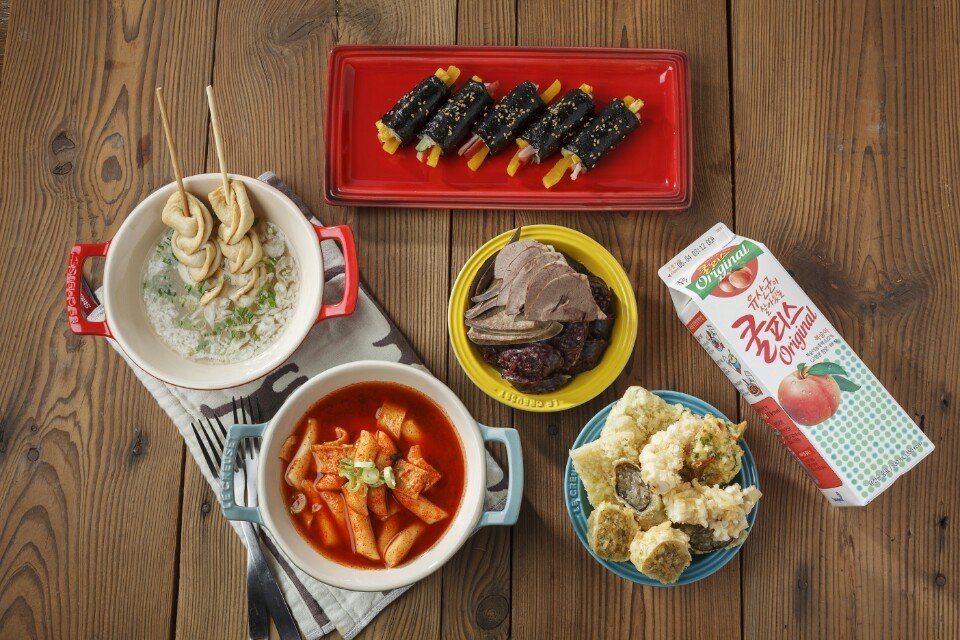
Table of Contents
Quick Comparison of the Best Tteokbokki Places in Seoul
| Place | Area | Style | Best For |
|---|---|---|---|
| Maboklim Halmeonijip | Sindang | Jeukseok tteokbokki | Classic Sindang-dong experience |
| Wonjo Halmeoni Tteokbokki | Tongin Market | Gireum tteokbokki | A different, oil-fried style |
| Apple House | Isu | Jeukseok / bunsik | Tteokbokki with seasoned dumplings |
| Cheolgil Tteokbokki | Chungjeongno | Old-school bunsik | Classic ready-to-eat tteokbokki |
| Ttobogetji Tteokbokki | Hongdae | Jeukseok tteokbokki | Hongdae meal with friends |
| Myeonghwadang | Myeongdong | Bunsik-style | Solo travelers and central location |
| Dongdaemun Yupdduk | Multiple locations | Modern franchise style | Spicy, larger-format tteokbokki |
| Dookki Myeongdong Station | Myeongdong | DIY buffet | Groups and customization |
If you want the most traditional sit-down Seoul tteokbokki experience, start with Maboklim Halmeonijip.
For something completely different, try the gireum tteokbokki at Tongin Market. Cheolgil Tteokbokki and Myeonghwadang are better examples of the simpler bunsik-style tteokbokki many Koreans grew up eating.
Yupdduk and Dookki represent a much more modern side of tteokbokki, while Apple House and Ttobogetji sit somewhere in between: established restaurants built around tteokbokki as a full shared meal.
What Kind of Tteokbokki Should You Try?
Bunsik-Style Tteokbokki
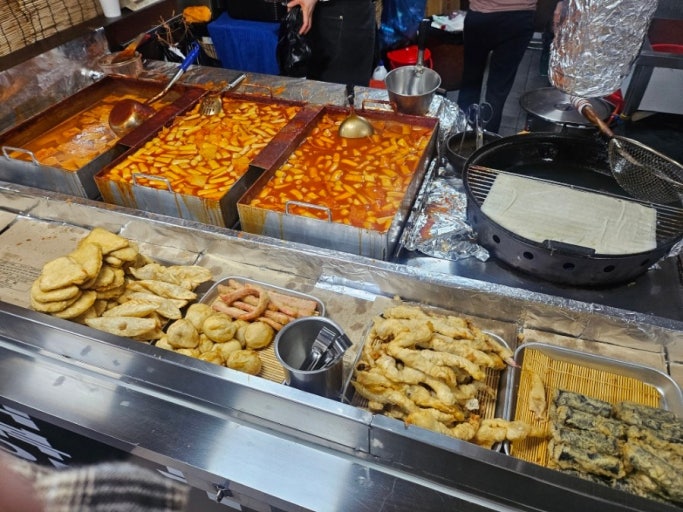
This is the easiest version to understand if you picture tteokbokki as Korean street food.
The rice cakes are already cooked in sauce and served ready to eat. You will find this style at traditional snack shops, markets, and casual neighborhood restaurants.
It is usually easy to combine with gimbap, fish cake, sundae, dumplings, or fried snacks.
Choose this style if you want a quick snack, an inexpensive casual meal, or an easier option for eating alone.
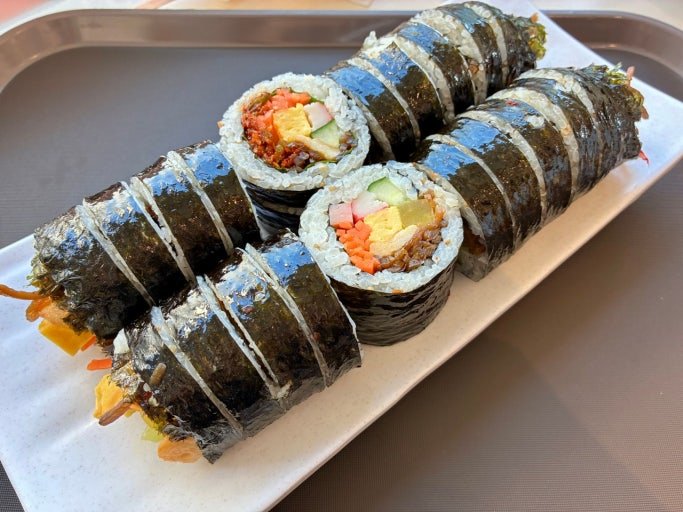
Gimbap is one of the easiest sides to pair with tteokbokki. If you want to try it on its own, compare eight different styles in our Seoul gimbap guide.
Jeukseok Tteokbokki
Jeukseok tteokbokki is cooked directly at your table.
A shallow pan usually contains rice cakes, fish cakes, vegetables, and sauce, with noodles and other ingredients added depending on the restaurant.
Instead of eating for ten minutes and leaving, the cooking itself becomes part of the meal.
Sindang-dong is especially associated with this style, but restaurants such as Apple House and Ttobogetji have developed their own versions.
Jeukseok tteokbokki generally makes more sense for two or more people.
Gireum Tteokbokki
Gireum means oil.
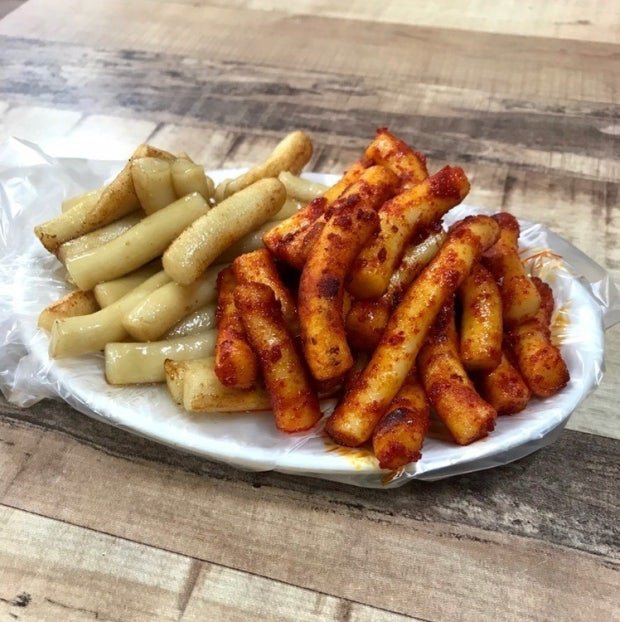
Unlike the saucy red version most visitors expect, the rice cakes are stir-fried with oil and seasoning. The result is drier, with the seasoning coating the outside of the rice cakes.
Tongin Market is particularly well known for this style.
If you expect to eat tteokbokki more than once in Seoul, gireum tteokbokki is one of the best ways to make your second experience completely different from the first.
Modern Delivery-Style Tteokbokki
Modern Korean tteokbokki can look surprisingly different from the small portions served at traditional bunsik shops.
Franchise brands often sell larger portions designed around sharing, takeout, or delivery. Cheese, sausages, noodles, glass noodles, cream sauces, mala flavors, and multiple toppings can turn tteokbokki into a substantial meal.
Yupdduk is the clearest example in this guide.
This style is useful to know about even if you never order delivery in Korea because it shows how tteokbokki has evolved beyond its traditional snack-food image.
DIY Tteokbokki Buffets
Dookki takes another approach.
Instead of choosing one finished recipe, you select the rice cakes, noodles, vegetables, toppings, and sauces yourself and cook them at the table.
It is not the restaurant I would choose for a historic first taste of Seoul tteokbokki, but it is one of the easiest ways to explore different ingredients in a single meal.
Recommended Tteokbokki Places in Seoul
1. Maboklim Halmeonijip — Best for the Classic Sindang-dong Experience
Area: Sindang
Best for: Tteokbokki history and a full sit-down meal
Style: Jeukseok tteokbokki
Search on NAVER Map: 마복림할머니집
Why It Stands Out
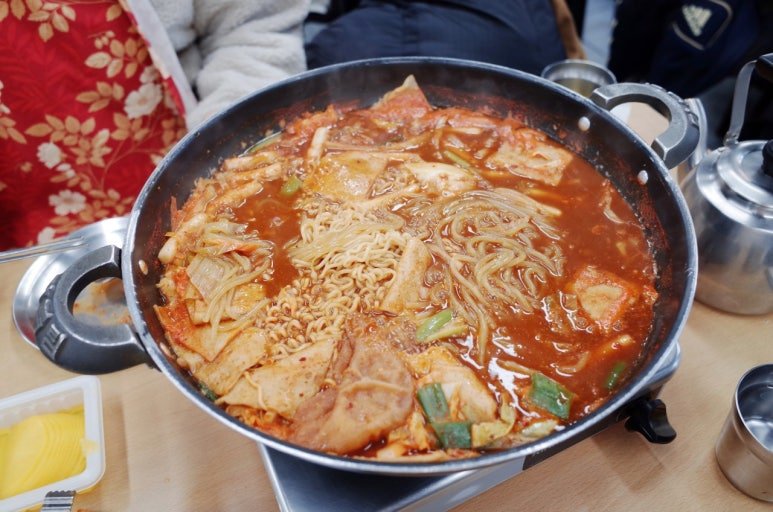
Maboklim Halmeonijip dates back to 1953 and is closely connected with the development of Sindang-dong Tteokbokki Town.
This is not the small ready-made portion of tteokbokki you might buy at a market. The meal centers on a pan cooked at the table with rice cakes, fish cakes, noodles, vegetables, and sauce.
For a first-time visitor who specifically wants to understand why Sindang-dong is famous for tteokbokki, Maboklim is the strongest starting point.
The experience is also more important than chasing individual toppings. You come here for an old-school shared jeukseok meal in the neighborhood most associated with the style.
You may also see the restaurant romanized as “Mabongnim Halmeonijip” on some English tourism listings.
What to Order
Start with the standard jeukseok tteokbokki set rather than adding everything at once.
Ramyeon works especially well because it cooks directly in the sauce. If you still have room after the main pan, check the current menu for fried rice before ordering too many sides at the beginning.
This is naturally a better choice for two or more diners than for someone looking for a quick solo snack.
2. Wonjo Halmeoni Tteokbokki — Best for Gireum Tteokbokki
Area: Tongin Market / Seochon
Best for: Gyeongbokgung visitors and travelers who want a different tteokbokki style
Style: Gireum tteokbokki
Search on NAVER Map: 원조할머니떡볶이집
Why It Stands Out
Wonjo Halmeoni Tteokbokki is one of the established names associated with Tongin Market’s famous gireum tteokbokki.
Instead of being submerged in thick red sauce, the rice cakes are stir-fried with oil and seasoning.
That difference is important.
If your first tteokbokki meal in Seoul was a classic red version, Tongin Market gives you a reason to eat the dish again without simply repeating the same experience.
The location is also excellent for first-time visitors. Tongin Market is in Seochon, so you can add this stop to a Gyeongbokgung Palace itinerary without crossing the city specifically for one restaurant.
What to Order
Start with the gireum tteokbokki.
This works better as a snack or part of a market stop than as a huge standalone meal, so leave room to explore something else in Tongin Market or Seochon.
If you want coffee or dessert afterward, compare the options in our guide to the best cafes near Gyeongbokgung Palace.
3. Apple House — Best for Tteokbokki and Seasoned Dumplings
Area: Isu
Best for: A long-running tteokbokki restaurant with a signature side dish
Style: Jeukseok and bunsik-style tteokbokki
Search on NAVER Map: 애플하우스
Why It Stands Out
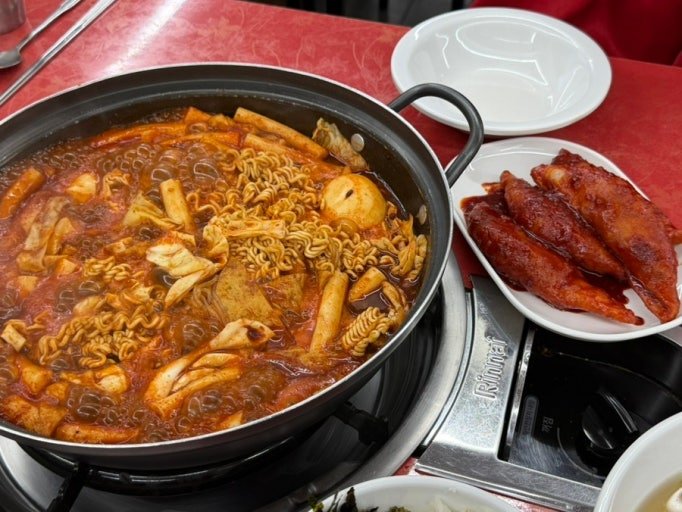
Apple House is one of Seoul’s long-running tteokbokki names and is especially associated with jeukseok tteokbokki and muchim gunmandu, fried dumplings mixed with a spicy-sweet sauce.
The dumplings are important because they give Apple House a reason to visit beyond simply ordering another pan of instant tteokbokki.
Apple House also serves regular tteokbokki, so it is not limited to only one format.
Its main disadvantage for a first-time visitor is location. Isu is less likely to appear naturally in a typical Gyeongbokgung–Myeongdong–Hongdae itinerary, which means Apple House is best when the restaurant itself is one of your food priorities.
What to Order
If this is your first visit, pair tteokbokki with the seasoned fried dumplings.
For a shared meal, jeukseok tteokbokki gives you the full Apple House experience. If you only want a quicker snack, check the regular tteokbokki options instead.
Do not underestimate how filling the combination becomes once dumplings, noodles, and fried rice are added.
4. Cheolgil Tteokbokki — Best for Old-School Bunsik-Style Tteokbokki
Area: Chungjeongno
Best for: A simple, old-school Seoul snack-shop experience
Style: Ready-to-eat bunsik-style tteokbokki
Search on NAVER Map: 철길떡볶이
Why It Stands Out
Cheolgil Tteokbokki is useful in this list because it represents the type of tteokbokki that was missing when we looked only at famous jeukseok restaurants.
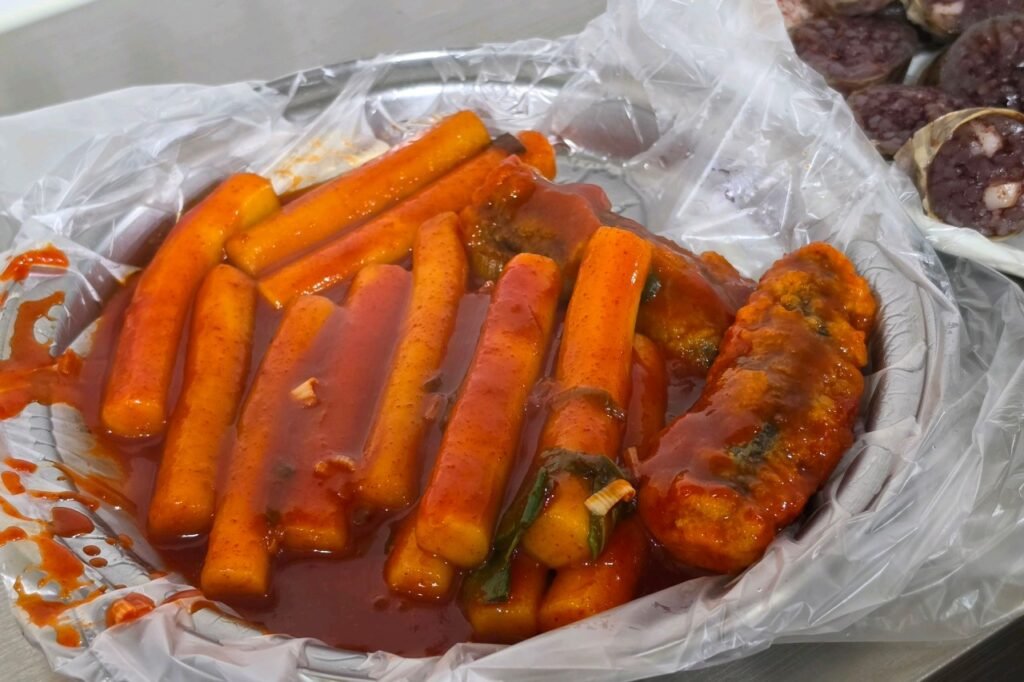
This is much closer to the classic old-school bunsik experience: rice cakes already cooked in red sauce, with familiar sides such as fried dumplings, gimbap, fish cake, and sundae.
The restaurant has a long history in Chungjeongno and became famous for its unusual location beside the railway.
There is one important update for current visitors: The original railway-side shop moved to a nearby new location in December 2025. Older tourism pages and photos may still show the former railway-side building and address.
The food style and history are still the reasons to visit, but you should not plan the trip based only on old photos of the former location.
What to Order
Start with a portion of tteokbokki and one fried side.
This is the kind of restaurant where a simple combination makes more sense than building an enormous meal. Fried dumplings or gimmari are especially useful because you can dip the crispy exterior into the tteokbokki sauce.
5. Ttobogetji Tteokbokki Happy Toss Branch — Best for a Hongdae Day
Area: Hongdae / Sangsu
Best for: Friends, couples, and a casual Hongdae meal
Style: Jeukseok tteokbokki
Search on NAVER Map: 또보겠지떡볶이집 해피토스점
Why It Stands Out
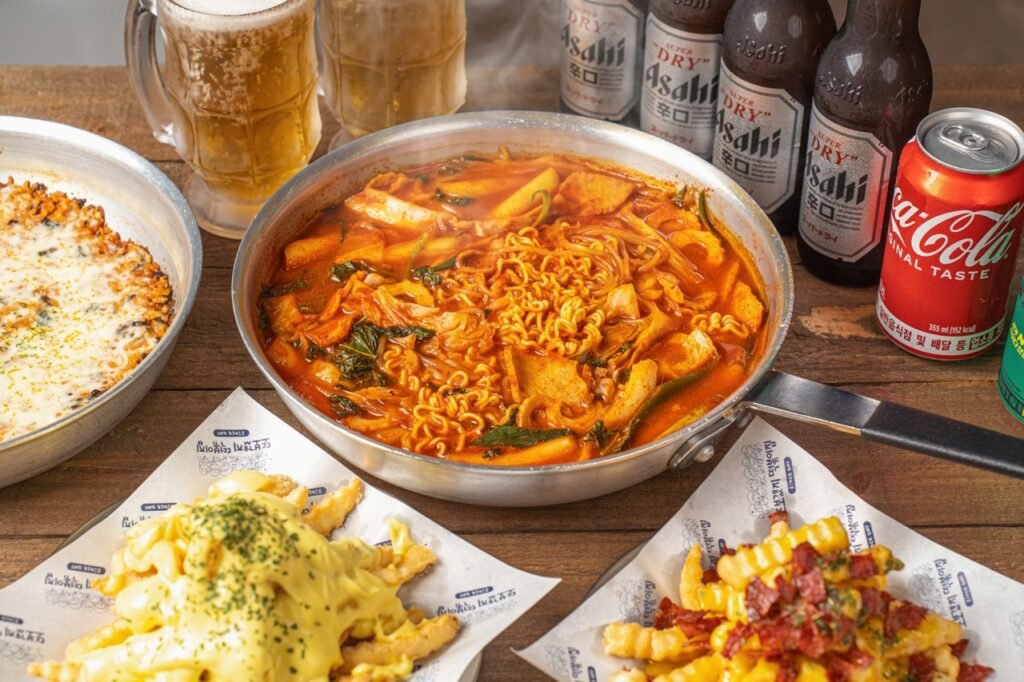
Ttobogetji is another jeukseok tteokbokki restaurant, but it earns a place here for a different reason from Maboklim or Apple House.
The Happy Toss branch fits easily into a Hongdae itinerary, and butter garlic fries have become one of the restaurant’s signature pairings with tteokbokki.
That creates a much more modern casual meal than the old-school experience in Sindang-dong.
It is a particularly practical recommendation for travelers who are already planning to spend an afternoon or evening shopping, visiting cafés, or exploring the streets around Hongdae and Sangsu.
What to Order
Try the jeukseok tteokbokki with butter garlic fries.
The fries provide a sweet and savory contrast to the spicy sauce.
If you plan to finish the tteokbokki with fried rice, keep the initial order reasonable. Rice cakes, noodles, fries, and fried rice can become a very large meal.
6. Myeonghwadang Myeongdong 1st Branch — Best for Solo Travelers
Area: Myeongdong
Best for: Solo travelers, central Seoul, and a simple bunsik meal
Style: Bunsik-style tteokbokki
Search on NAVER Map: 명화당 명동1호점
Why It Stands Out
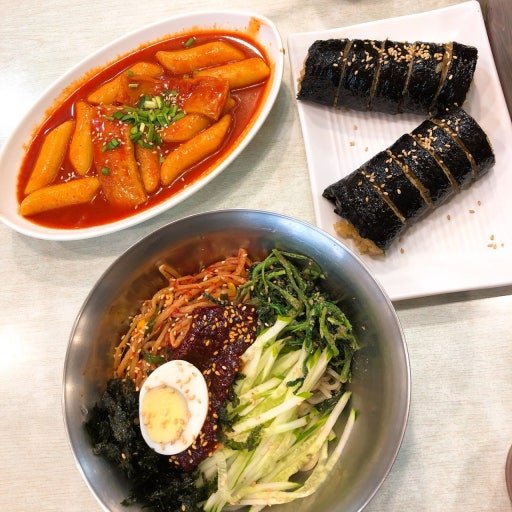
Myeonghwadang is a long-running Myeongdong bunsik restaurant known for both tteokbokki and gimbap.
Its biggest advantage for a first-time traveler is simplicity.
You do not need to organize several people around a shared pan, travel to a specialist food alley, or turn the meal into a major event. You can sit down in central Myeongdong, order a familiar bunsik combination, eat, and continue sightseeing.
That makes Myeonghwadang particularly useful for someone traveling alone.
If you are planning more one-person meals during the trip, see our guide to solo dining in Seoul.
What to Order
Tteokbokki and gimbap make the most natural first order.
The gimbap also gives you something milder to alternate with the spicy-sweet tteokbokki.
This is one of the best choices in the guide if you want tteokbokki without committing to a large shared meal.
7. Dongdaemun Yupdduk — Best for Modern Korean Delivery-Style Tteokbokki
Area: Multiple locations in Seoul
Best for: Strong spice, large portions, toppings, and modern franchise-style tteokbokki
Style: Modern franchise / delivery-friendly tteokbokki
Search on NAVER Map: 동대문엽기떡볶이
Why It Stands Out
Yupdduk is here for a very different reason from Maboklim, Cheolgil Tteokbokki, or Myeonghwadang.
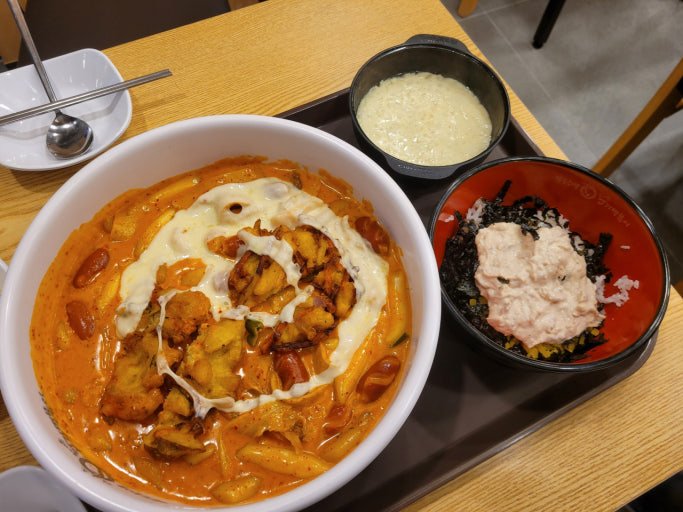
Traditional bunsik tteokbokki can be a small snack. Yupdduk turns tteokbokki into a larger, heavily customizable meal.
The current menu goes beyond the classic red version, with options such as rosé, mala, and mala rosé tteokbokki, as well as a long list of toppings and side dishes.
It is also a useful example of the type of tteokbokki that works naturally as delivery or takeout food in modern Korea.
For travelers, that makes Yupdduk culturally interesting even though it is a chain rather than an old Seoul institution.
What to Order
If you have never tried Yupdduk before, do not treat the regular spice level casually.
Choose a spice level appropriate for your tolerance and consider the smaller two-person option if it is available at the branch you visit.
Cheese, egg, fried snacks, rice, and other toppings can help turn the meal into something more balanced, but adding too many extras can make an already substantial order enormous.
Because branches vary, search 동대문엽기떡볶이 on NAVER Map and choose a location that fits your itinerary rather than traveling across Seoul only for a particular branch.
8. Dookki Myeongdong Station — Best for Building Your Own Tteokbokki
Area: Myeongdong
Best for: Groups, customization, and trying several ingredients
Style: DIY tteokbokki buffet
Search on NAVER Map: 두끼 명동역점
Why It Stands Out
Dookki is the least traditional recommendation in this list, and that is exactly why it is useful.
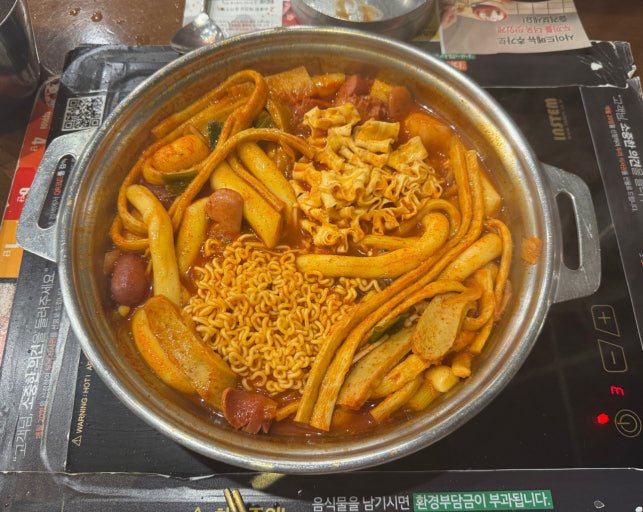
You choose your own rice cakes, noodles, vegetables, sauces, and other ingredients and cook them at the table.
For someone searching only for the most historic or famous Seoul tteokbokki, I would choose Maboklim or one of the old-school bunsik restaurants first.
But Dookki works well for a group that wants to experiment and compare ingredients without committing to one restaurant’s fixed recipe.
The Myeongdong Station branch also makes the experience easy to fit into a first-time sightseeing route.
What to Order
Do not put everything into the first pan.
Start with a few rice cake types, fish cakes, vegetables, one noodle, and a moderate amount of sauce. You can return for more ingredients once you understand how the combination tastes.
Save room for fried rice if you want the full buffet-style experience.
What About Modern Delivery-Style Tteokbokki?
If you only eat tteokbokki at traditional markets and old bunsik shops, you are seeing only one side of the dish.
Modern franchise tteokbokki often comes in larger portions with more toppings, heavier sauces, and flavors that would have been unusual in an older snack shop.
Yupdduk is the main recommendation in this guide because it clearly represents the large, spicy, topping-heavy style.
But it is not the only brand worth knowing.
Baedduck
Baedduck (배떡) is particularly associated with rosé tteokbokki.
Rosé sauce combines spicy tteokbokki flavors with a creamier sauce, creating a richer and usually softer-tasting alternative to straightforward red tteokbokki.
If rosé is specifically the style you want to experience, Baedduck is worth checking for a branch near your accommodation.
Samcheop Bunsik
Samcheop Bunsik (삼첩분식) pushes the modern franchise style even further.
Its menu includes variations such as rosé, basil cream, mala rosé, and other less traditional flavors, along with large selections of fried foods and set combinations.
This is a useful example of how far modern tteokbokki has moved from the simple rice-cake-and-fish-cake snack.
Stella Tteokbokki
Stella Tteokbokki (스텔라떡볶이) is another modern chain with a wide range of sauces and toppings.
One of its most recognizable features is the small crispy “star” snacks served with the tteokbokki, which add another texture to the meal.
Its menu also extends into rosé, carbonara, mala, and other modern variations.
Should First-Time Visitors Try One?
Yes, if you are curious about how Koreans eat tteokbokki beyond traditional street food.
But there is little reason to spend several meals comparing delivery-focused chains on a short first trip.
Try one modern franchise experience and use your other tteokbokki meal for something completely different, such as Sindang jeukseok tteokbokki, Tongin Market gireum tteokbokki, or an old-school bunsik shop.
What to Order with Tteokbokki
Tteokbokki rarely needs to be eaten alone.
Classic pairings include:
- Twigim (튀김): Korean fried snacks
- Gimmari (김말이): fried seaweed rolls filled with glass noodles
- Mandu (만두): dumplings
- Eomuk (어묵): fish cake
- Gimbap (김밥): Korean rice rolls
- Sundae (순대): Korean blood sausage
- Boiled eggs
- Ramyeon sari (라면사리): instant noodles added to a shared pan
- Bokkeumbap (볶음밥): fried rice, often eaten at the end of jeukseok tteokbokki
For a simple bunsik meal, tteokbokki + one fried side is a good first order.
Dip the fried food into the remaining tteokbokki sauce.
For jeukseok tteokbokki, noodles and fried rice can make the meal considerably larger, so avoid ordering too many side dishes before the pan starts cooking.
How Spicy Is Tteokbokki?
There is no single tteokbokki spice level.
Some old-school versions balance sweetness and chili, while brands such as Yupdduk are known for making spice a much more central part of the experience.
The heat can also build as you eat. A sauce that seems sweet during the first few bites can feel much hotter halfway through the meal.
If you are sensitive to spicy food, ask before ordering rather than assuming every restaurant can change its signature sauce.
A useful phrase is:
매워요? — Maewoyo?
Is it spicy?
You can also ask:
덜 맵게 가능해요? — Deol maepge ganeunghaeyo?
Can you make it less spicy?
Not every restaurant can adjust the sauce.
At modern chains, you may have more control through selectable spice levels or alternative sauces such as rosé or jjajang.
If spicy Korean food is a major concern during your trip, our guide to non-spicy Korean restaurants in Seoul has easier options for your other meals.
Tips for Ordering Tteokbokki in Seoul
Decide Whether You Want a Snack or a Full Meal
This is the most useful question to ask first.
A serving of bunsik-style tteokbokki can be a quick snack.
A shared pan of jeukseok tteokbokki with noodles, fried food, and fried rice can easily replace lunch or dinner.
Modern franchise orders can be even larger.
Choose the restaurant format based on your appetite and group size rather than assuming every tteokbokki restaurant works the same way.
Solo Travelers Should Choose the Right Format
Tteokbokki itself is easy to eat alone.
The problem is usually portion size.
Myeonghwadang, Cheolgil Tteokbokki, markets, and similar bunsik shops make more sense for solo diners than a large shared jeukseok pan.
Large franchise orders can also be inconvenient if you are staying in a hotel and do not want leftovers.
Do Not Overorder at Jeukseok Restaurants
Rice cakes are denser and more filling than they look.
Add noodles, dumplings, fried snacks, eggs, and fried rice and the meal grows very quickly.
Start with the standard order and add only what you actually want.
Be More Careful with Modern Franchise Portions
A traditional snack-shop serving and a large delivery-style tteokbokki order are not equivalent.
Check the serving format before ordering, particularly at brands such as Yupdduk.
A menu that looks more expensive than the neighborhood bunsik shop may also be designed as a larger shared meal rather than one person’s snack.
Search the Korean Name Before You Go
Some famous restaurants have moved, and chains may have several branches.
Cheolgil Tteokbokki is a good example: older photos show its former railway-side building, while the restaurant now operates from its newer location nearby.
Use the Korean search name listed in each section and check the latest NAVER Map result shortly before visiting.
If Korean restaurant menus, kiosks, or payment systems are unfamiliar, see our guide to how to order food in Korea.
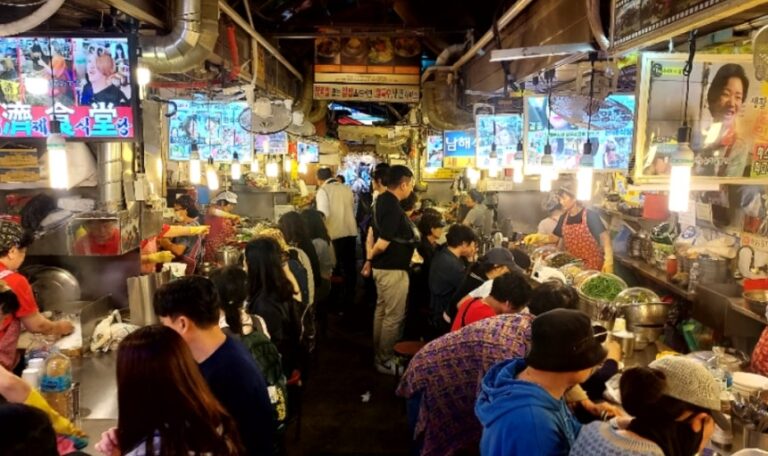
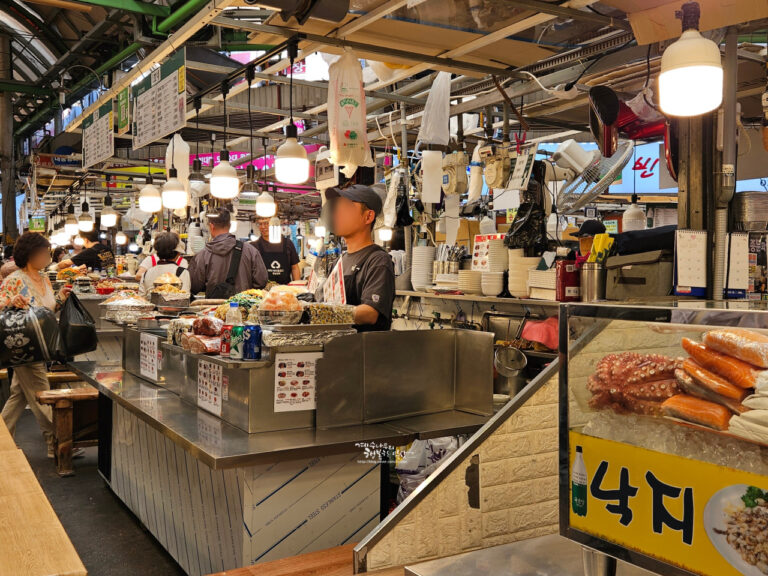
Market Tteokbokki: What About Gwangjang Market?
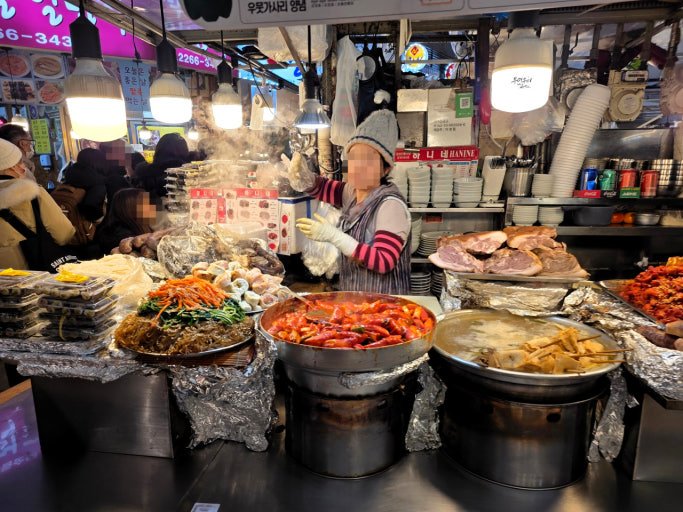
Gwangjang Market is still a perfectly reasonable place to try tteokbokki.
It is simply better understood as a market-food experience than as one specific tteokbokki restaurant.
Different stalls serve their own versions, and most first-time visitors will get more value from trying a smaller portion of tteokbokki alongside several other foods.
That also makes Gwangjang Market different from Maboklim or Apple House, where tteokbokki itself is the main reason to visit.
If the market is already part of your itinerary, have some tteokbokki, but leave room for foods such as bindaetteok, gimbap, dumplings, or other market specialties.
See our complete guide to what to eat at Gwangjang Market before you go.
If you plan to continue toward Jongno 3-ga afterward, our guide to the best cafes in Ikseondong Hanok Village is an easy next stop.
FAQ
Where should a first-time visitor try tteokbokki in Seoul?
If you want one classic sit-down experience, Maboklim Halmeonijip in Sindang is a strong starting point.
Choose Wonjo Halmeoni Tteokbokki if you are visiting Gyeongbokgung and want to try gireum tteokbokki instead.
For an easier individual meal in central Seoul, Myeonghwadang is more practical.
Is Sindang-dong Tteokbokki Town worth visiting?
Yes, if tteokbokki itself is one of your food priorities.
Sindang-dong is especially associated with jeukseok tteokbokki cooked at the table, so the neighborhood offers more of a dedicated food experience than simply buying a small snack.
If you only want to taste tteokbokki once while sightseeing, however, you do not need to travel to Sindang specifically.
What is the difference between regular tteokbokki and jeukseok tteokbokki?
Regular bunsik-style tteokbokki is generally cooked before you order and arrives ready to eat.
Jeukseok tteokbokki cooks at your table and often includes noodles, vegetables, fish cakes, and other additions.
It usually takes longer to eat and is better suited to sharing.
Can I eat tteokbokki alone in Seoul?
Yes.
Choose a bunsik shop, market stall, or restaurant selling individual portions.
Myeonghwadang is particularly convenient for solo travelers in Myeongdong.
Large jeukseok pans and delivery-style franchise orders can be less practical for one person because of their portion sizes.
What is the difference between street-style tteokbokki and Yupdduk?
Traditional street or bunsik tteokbokki is usually sold as a relatively simple serving of rice cakes and fish cakes in sauce.
Yupdduk represents a more modern franchise format, with larger portions, selectable flavors, numerous toppings, and menus designed around a more substantial meal.
They are both tteokbokki, but the eating experience can feel completely different.
Is rosé tteokbokki traditional Korean food?
Rosé tteokbokki is a modern variation rather than the old-school red tteokbokki associated with traditional bunsik shops.
It uses a creamier sauce and has become common at contemporary tteokbokki chains.
If you want to compare traditional and modern styles, try classic red or gireum tteokbokki first and rosé on another meal.
Is all tteokbokki very spicy?
No.
Recipes vary significantly, but classic red tteokbokki normally contains chili seasoning and can be challenging if you have a low tolerance for spicy food.
Modern chains may offer more choices in spice level or sauce, but you should check the specific menu rather than assuming a mild option is always available.
What should I eat with tteokbokki?
Twigim, gimmari, dumplings, gimbap, fish cake, boiled eggs, and sundae are classic pairings.
At jeukseok restaurants, noodles and fried rice are also popular additions.
Is Gwangjang Market good for tteokbokki?
Yes, especially if you want tteokbokki as one part of a larger Korean market-food experience.
For a meal focused specifically on tteokbokki, choose one of the dedicated restaurants in this guide instead.
Final Thoughts: Which Tteokbokki Should You Try?
If you are comparing the best tteokbokki places in Seoul, the most useful approach is to choose restaurants that offer different styles rather than visiting several places with a similar experience.
If you want a classic Seoul tteokbokki experience, start with Maboklim Halmeonijip and the shared jeukseok style of Sindang-dong.
Choose Wonjo Halmeoni Tteokbokki for something completely different in Tongin Market, or Cheolgil Tteokbokki for a simpler old-school bunsik experience.
Apple House is the strongest choice if the seasoned dumplings appeal to you, while Ttobogetji fits naturally into a Hongdae day.
For convenience, Myeonghwadang is one of the easiest options for a Myeongdong itinerary or solo meal.
Then there is the modern side of tteokbokki.
Try Yupdduk if you want to understand the larger, spicy, topping-heavy franchise style that looks very different from traditional street food. Choose Dookki when customization and trying many ingredients matter more than eating one famous restaurant’s recipe.
You do not need to visit all of them.
For most first-time visitors, the best approach is to try two contrasting styles — for example, one old-school or market version and one jeukseok or modern franchise version.
That tells you much more about tteokbokki in Korea than visiting several restaurants that all serve essentially the same type.
How This Guide Was Checked
This guide was prepared and reviewed by H. Jung, the Korea-based editor of Seoul Plate.
For this update, restaurant names, locations, signature tteokbokki styles, current branch information, and major menu characteristics were cross-checked using official Seoul tourism information, Korea Tourism Organization listings, official restaurant and franchise channels, and current Korean local listings where needed.
The recommendations were also selected to represent different tteokbokki experiences rather than simply repeating several restaurants serving the same style.
Menus, prices, opening hours, holidays, delivery availability, and branch details can change over time. Check the latest NAVER Map listing or official brand channel shortly before visiting.